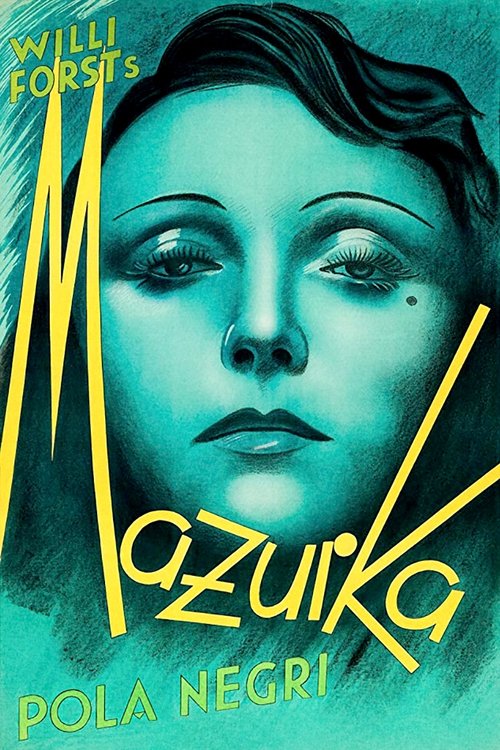
Mazurka
1935
No user ratings available yet
Representation score: 1.4 out of 10
Representation Score
Fair
1933
Director
Humberto Mauro
Runtime
78 minutes
Average Rating
No ratings yetNew Showbiz Analysis
Humberto Mauro’s film stands out by challenging the sanitized, idealized morality prevalent in 1930s Hollywood. It emphasizes regional power dynamics and social stratification over standardized Western narratives. By focusing on psychological realism and human impulses, the film questions traditional institutions like marriage. Though it doesn't offer modern characters who reflect more than one aspect of diversity, its strength lies in rejecting absolute moral binaries. Overall, the film provides a psychologically rich exploration of the instability of social order and the complexities of the Brazilian landscape.
Category Breakdown
The film does not include explicit LGBTQ+ characters or stories centered around non-cisgender identities. The main conflict revolves around a traditional marriage issue rather than exploring LGBTQ+ themes.
Gender roles in the film reflect the social norms of its time, featuring a violent masculine character type. However, the love triangle presents a nuanced look at women's desires and ability to act.
As a Brazilian production, it avoids the homogeneity seen in Anglo-Saxon cinema. The rural setting showcases a diverse range of identities, unlike the representations of 1930s Hollywood.
The story avoids simplistic moral frameworks, instead focusing on psychological realism. It delves into moral relativism and the complexities of human connections and ethical situations.
The film does not feature any characters defined by visible or invisible disabilities.
Present on Screen
Limited or Absent
Official Synopsis
A man kills his wife on their wedding night, after discovering she had been unfaithful. After being acquitted, he moves to the country, where he becomes part of a love triangle.
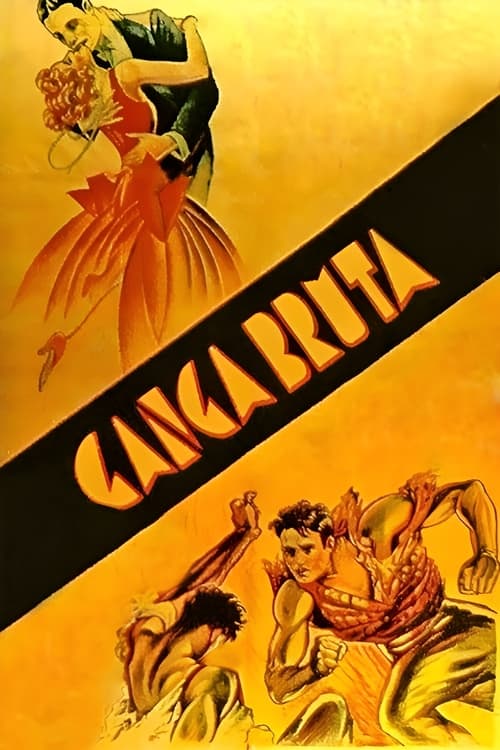
1935
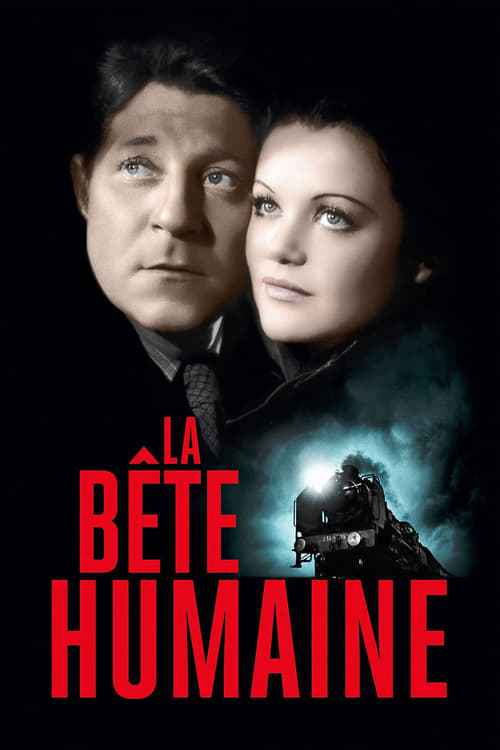
1938

1949
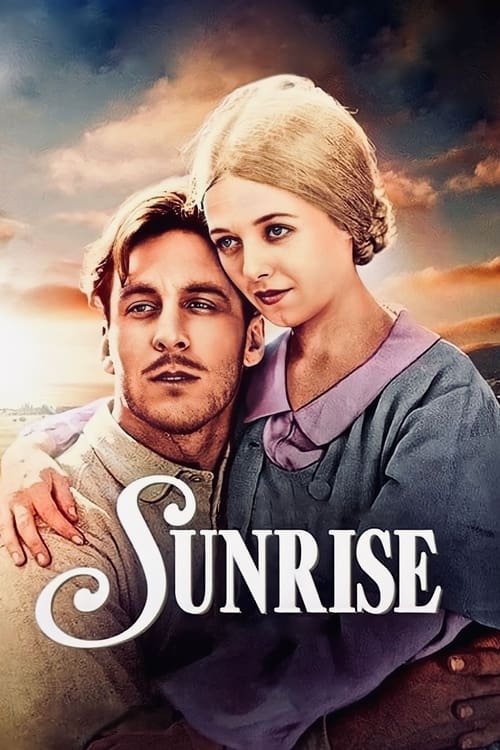
1927
1933
1946
1939
1935
No reviews yet. Be the first to share your thoughts on this movie!
Use the rating form above to leave a star rating and optional review.