
In Broad Daylight
1981
No user ratings available yet
Representation score: 4.5 out of 10
Representation Score
Fair
1995
RDirector
Krzysztof Lang
Runtime
88 minutes
Average Rating
No ratings yetNew Showbiz Analysis
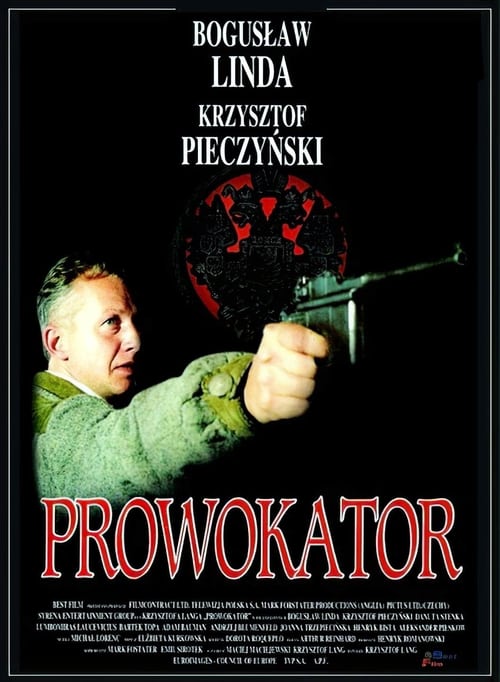
Provocateur is a historical drama centered on the psychological impact of state oppression and political morality. It avoids modern markers of diversity like LGBTQ+ or neurodivergent representation, focusing instead on the tension between individuals and imperial institutions. The film's strength lies in its deconstruction of the heroic militant cliché. By examining systemic complicity and the struggle against an occupying force, it provides a nuanced study of survival within a corrupt political landscape. While the film lacks demographic diversity, it succeeds in its critique of centralized power and the moral complexities of living under Tsarist occupation.
Category Breakdown
The film does not include any explicit LGBTQ+ characters or non-straight identities. The story focuses on the political activism and personal relationships among male prisoners.
Female characters appear mostly in reactive or victimized roles, such as the officer's daughter and wife. The story centers on male political involvement and traditional period-piece themes.
Set in 1909 Warsaw, the film addresses ethnic tensions between Polish militants and Russian authorities. It accurately reflects the colonial-style oppression under Tsarist rule.
The narrative offers a complex look at institutional authority and imperial structures. It explores moral ambiguity and the psychological torment used by state powers to maintain control.
A character is described as being maimed, but it is unclear if disability is explored with real depth. It may simply serve as a plot device for the protagonist’s remorse.
Present on Screen
Limited or Absent
Official Synopsis
Warsaw, 1909. Arthur Herling makes an assassination attempt on a Russian police official and his family. During the action, the officer's daughter is killed and his wife is maimed. The wounded militant is arrested. Tormented by remorse, Herling agrees to cooperate with the tsarist authorities as a provocateur. Into his cell comes Adam Tanski, suspected of having contacts with the wanted conspirator Andrzej Woyda. One day, while being transported in a prison ambulance, Herling kills the guards. Accompanying him, Adam urges him to escape to the mountains.
1981
2014
2008

1967
2016
2019
1982
1937
No reviews yet. Be the first to share your thoughts on this movie!
Use the rating form above to leave a star rating and optional review.