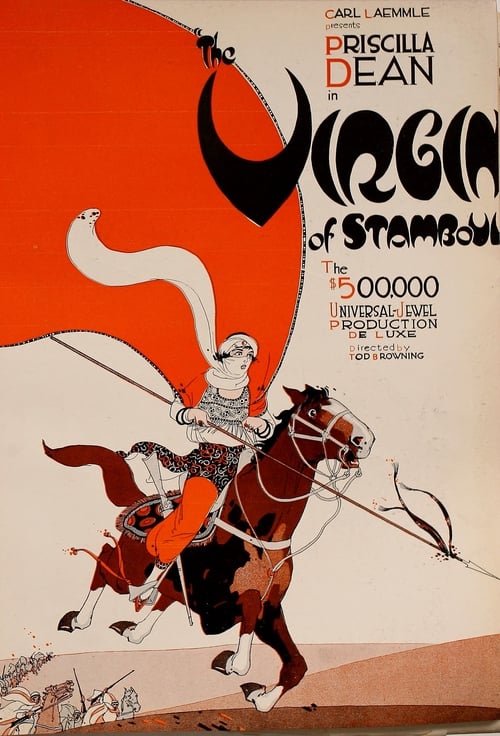
The Virgin of Stamboul
1920
No user ratings available yet
Representation score: 1.8 out of 10

Representation Score
Limited
1929
PassedDirector
John P. McCarthy
Runtime
60 minutes
Average Rating
No ratings yetNew Showbiz Analysis
The film operates as a traditional period melodrama centered on a female protagonist navigating domestic tragedy. Although it moves the action to Buenos Aires, avoiding the usual Hollywood-centric settings, the narrative structure remains conventional. Representation is limited by the era's storytelling norms. The focus on a woman's journey provides some ability to act, but the absence of diverse identities and queer themes restricts its diversity profile. Without specific evidence of systemic subversion or diverse casting, it's hard to assess the film's impact on progressive narrative architecture.
Category Breakdown
The film doesn't include any explicit representations of LGBTQ+ identities or same-sex relationships. The plot revolves around traditional family conflicts rather than exploring queer themes.
Olive Borden's character is the main protagonist who drives the story forward. Her journey through grief and seeking justice highlights her role as a strong female lead in a melodrama.
The film is set in Buenos Aires, offering a non-Anglo-Saxon backdrop. However, the conflict involves an American antagonist, which might reinforce traditional foreign-versus-domestic clichés.
The story delves into themes of victimization and external aggression. It follows a standard domestic drama framework without offering a deeper cultural critique.
There are no characters with physical or neurodivergent disabilities in the narrative.
Present on Screen
Limited or Absent
Official Synopsis
Olive Borden returns home to Buenos Aires and discovers her father has been murdered and her sister has been attacked by an American.
1920

1929

1926
1920
1932
1952
1925
1905
No reviews yet. Be the first to share your thoughts on this movie!
Use the rating form above to leave a star rating and optional review.