
Incontri proibiti
1998
No user ratings available yet
Representation score: 2.9 out of 10
Representation Score
Fair
1967
Director
Dino Risi
Runtime
105 minutes
Average Rating
No ratings yetNew Showbiz Analysis
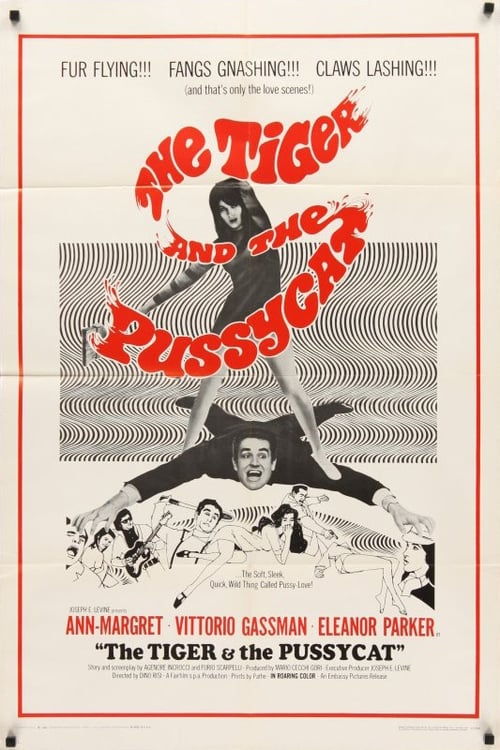
The Tiger and the Pussycat serves as a transitional piece of social satire, using the lens of the Italian bourgeoisie to deconstruct mid-century moral rigidity. While the film is demographically narrow, its thematic approach to shifting social mores provides a sophisticated critique of traditional family structures. However, the work remains firmly rooted in the straight-centered and racially homogeneous context of its era. The lack of representation regarding race and LGBTQ+ identities limits its broader social scope.
Category Breakdown
The film focuses solely on heterosexual relationships and sexual freedom. There are no documented queer narratives or non-cisgender identities among the main characters.
The narrative challenges traditional gender roles by exploring the complexities of female empowerment and infidelity. It moves away from static domestic scenarios to show more nuanced, chaotic gender power dynamics.
The setting and cast reflect a homogeneous Mediterranean population typical of 1960s Italy. It functions as a localized study of the Italian middle class without diverse casting.
The film excels at critiquing Western institutions and the hypocrisy of the upper class. It prioritizes moral relativism over traditional religious or capitalist social structures.
There is no evidence of characters with visible or invisible disabilities being included in the narrative.
Present on Screen
Limited or Absent
Official Synopsis
A middle-aged businessman finds himself in thirst for romance adventure, and it seems that a proper partner is not far away.
1998

1962
1969
1977
1958

1971

1964
1966
No reviews yet. Be the first to share your thoughts on this movie!
Use the rating form above to leave a star rating and optional review.