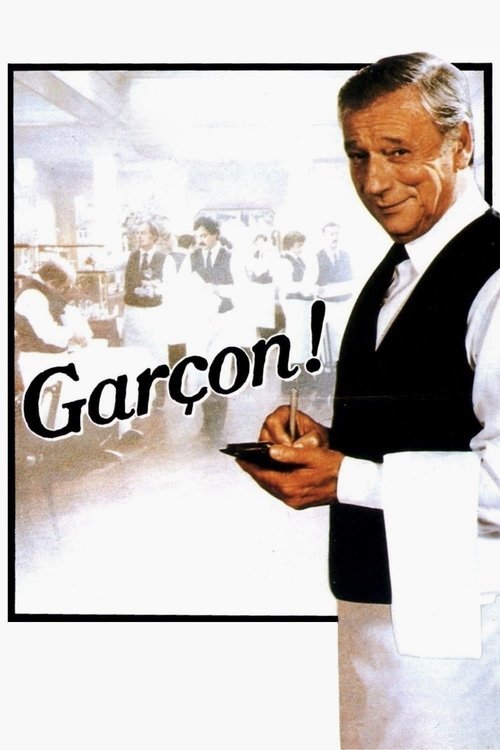
Waiter!
1983
No user ratings available yet
Representation score: 4.2 out of 10
Representation Score
Fair
1984
Director
Bertrand Blier
Runtime
110 minutes
Average Rating
No ratings yetNew Showbiz Analysis
Bertrand Blier’s work challenges conventional romantic structures by focusing on raw, uncomfortable interpersonal dynamics. The film successfully disrupts traditional gender hierarchies, particularly by featuring a female lead who initiates sexual encounters and sets the terms for them. However, the film lacks representation of LGBTQ+ identities or diverse ethnic perspectives. Its homogeneous cast and narrow focus limit its broader social scope. Ultimately, the film serves as a postmodern character study, prioritizing the disruption of social and moral norms over the inclusion of diverse demographic identities, resulting in a moderate diversity profile.
Category Breakdown
The main storyline centers around a heterosexual relationship between the two main characters, with no representation of LGBTQ+ identities or non-straight gender narratives.
Donatienne disrupts traditional gender roles by initiating a sexual encounter and setting the terms for it. This challenges the stereotype of the passive female, creating dynamic and shifting power dynamics.
The film features a predominantly white cast with no evident racial diversity, reflecting a traditional European focus typical of its time period.
The film challenges the romantic ideal by emphasizing personal morality over traditional frameworks. It highlights individualistic, disruptive emotional impulses rather than stable social structures.
The protagonist's struggle with alcoholism is portrayed as a character trait rather than a disability. There is no exploration of neurodivergence or disability ability to act.
Present on Screen
Limited or Absent
Official Synopsis
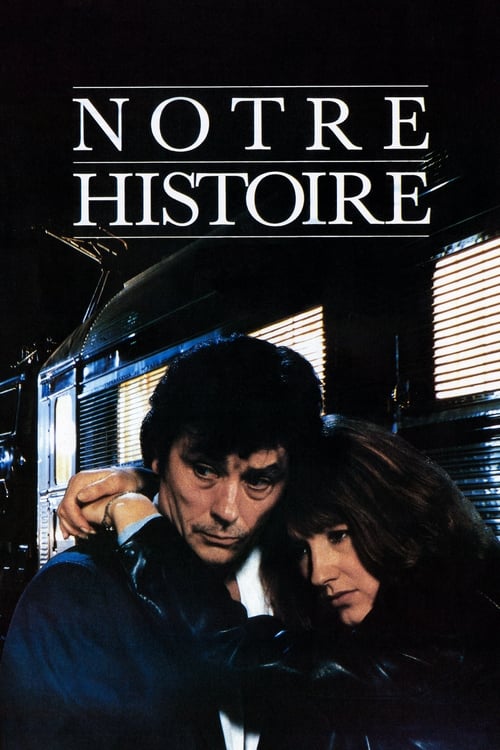
Robert Avranche, a middle-aged, alcoholic garage owner, is sitting on a train, reflecting on the emptiness of his life. An attractive young woman, Donatienne, suddenly enters the compartment and offers to make love to him. Robert accepts but, when the woman leaves the train afterwards, he decides to follow her...
1983

1977

1997

1971

1999
2000
1974
1981
No reviews yet. Be the first to share your thoughts on this movie!
Use the rating form above to leave a star rating and optional review.