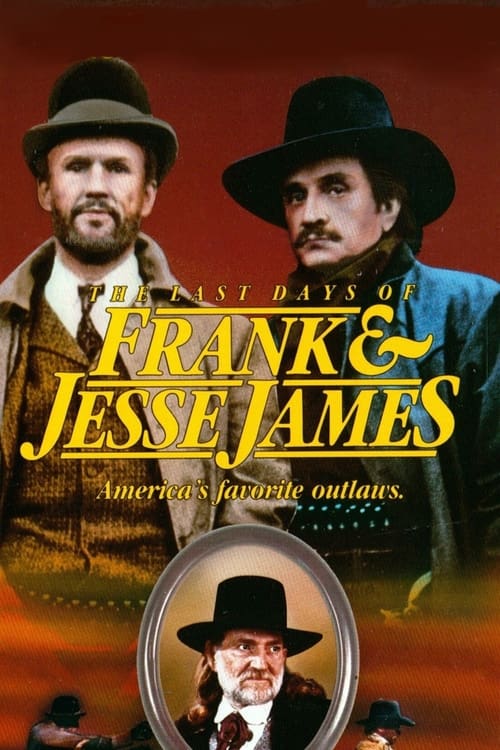
The Last Days of Frank and Jesse James
1986
No user ratings available yet
Diversity score: 2.6 out of 10
1982
PGDirector
William A. Graham
Runtime
107 minutes
Average Rating
No ratings yetSynopsis
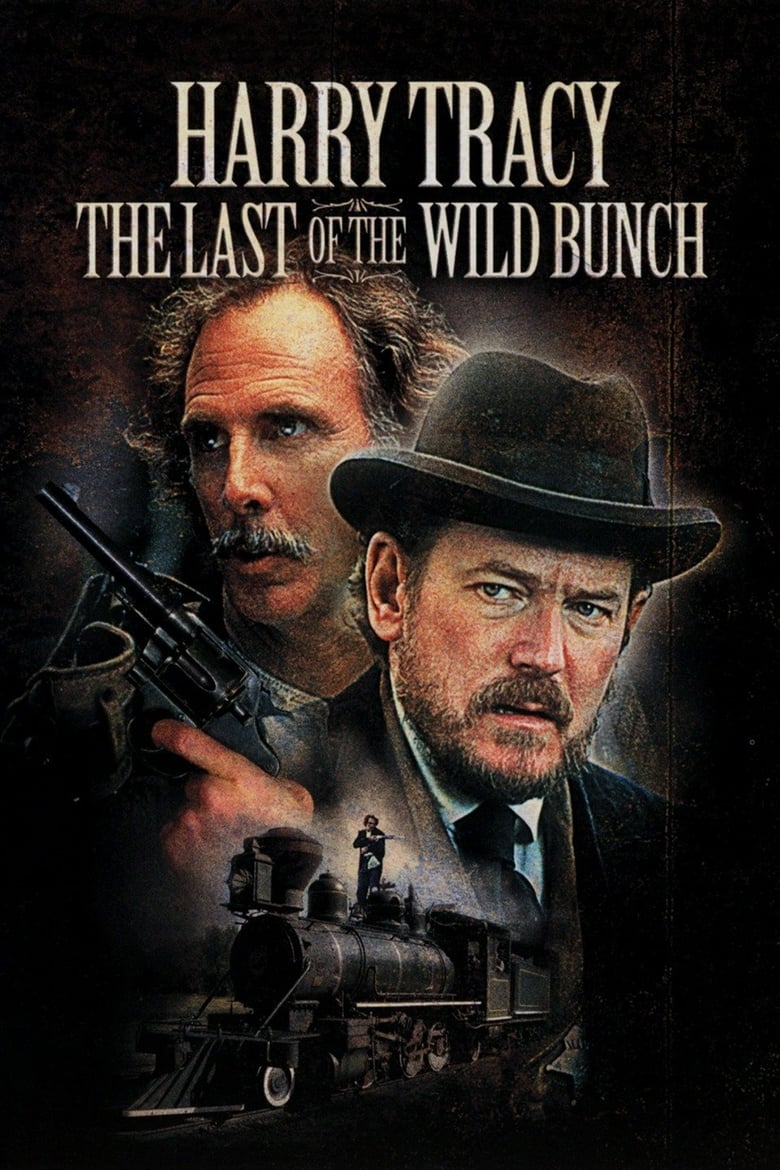
By the turn of the 20th century, Butch Cassidy, the Sundance Kid, Billy the Kid and virtually all of the West's legendary outlaws are either dead or in jail pending execution. Well, all, except train robber and escape artist extraordinaire, Harry Tracy. As the last survivor of the Wild Bunch, Tracy pulls off a series of profitable robberies before making his way west to Portland, Oregon, in search of Catherine Tuttle -- a judge's daughter who has captured his heart. But on the way, Tracy is betrayed, arrested, and imprisoned. However, no jail can hold him for long and after making his escape, Tracy becomes the target of the largest manhunt in the history of North America.
Overall Score
Limited
Category Breakdown
LGBTQ+ Representation
The film operates within a strictly heteronormative framework. There is no evidence of non-cisnormative gender identities or same-sex intimacy.
Gender Representation
The narrative centers on masculine archetypes and male agency. Female characters like Catherine Tuttle function primarily as catalysts for the protagonist's journey rather than independent agents.
Racial & Ethnic Diversity
The cast is predominantly white and Anglo-Saxon. There is a lack of meaningful racial blending or characters of color with high agency in this homogeneous social environment.
Religious & Cultural Diversity
The film explores moral relativism through a charismatic outlaw but lacks a systemic deconstruction of Western institutions like capitalism or organized religion.
Disability Representation
There is no discernible representation of visible or invisible disabilities. Characters are defined by their status as outlaws or lawmen rather than physical or neurodivergent traits.
Strengths
Areas for Improvement
AI Analysis
Harry Tracy, Desperado is a traditional Western that adheres to the conventional social hierarchies of its era. The film focuses on a singular, masculine-driven narrative centered on the 'lovable rogue' archetype. While the story uses moral relativism to humanize a criminal protagonist, it fails to extend this complexity to marginalized identities. The social landscape remains largely homogeneous and lacks intersectional depth. Ultimately, the film functions as a character study of an individualistic rebel rather than a critique of the systemic power dynamics or the societal structures of the 19th-century American frontier.
1986
1948

2017
1971

1948
1952
1952
2009
1930
1949
1949
2003
No reviews yet. Be the first to share your thoughts on this movie!
Use the rating form above to leave a star rating and optional review.