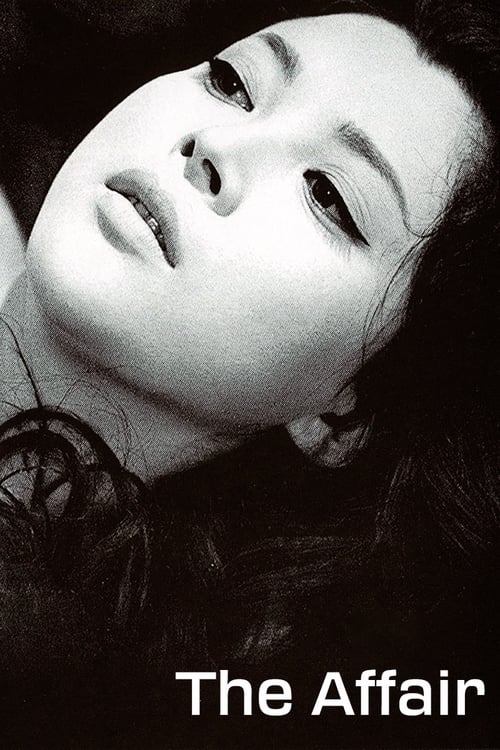
The Affair
1967
No user ratings available yet
Representation score: 6.4 out of 10
Representation Score
Fair
1965
Director
Yoshishige Yoshida
Runtime
120 minutes
Average Rating
No ratings yetNew Showbiz Analysis
Yoshishige Yoshida’s work employs the Japanese New Wave style to break down traditional social structures. By focusing on the fragmentation of identity and the tension between individual desire and societal expectations, the film moves away from conventional, stable storytelling. It excels in presenting a nuanced psychological landscape where characters are shaped by internal conflicts rather than rigid archetypes. This approach challenges the patriarchal stability often seen in mid-century dramas. However, the film remains confined by its lack of explicit representation of non-straight-centered identities or multi-layered racial diversity. It operates primarily as a study of individual subjectivity within a culturally homogeneous context.
Category Breakdown
The film delves into deep psychological tensions and the quest for genuine emotions. Though it doesn't explicitly mention queer identities, it focuses on internal desires, suggesting a move away from strict social roles.
The story centers around a male protagonist's emotional turmoil rather than patriarchal dominance. His mother and fiancée play crucial roles in his internal struggles.
As a Japanese New Wave film, it provides a non-Western viewpoint. The cast is ethnically uniform, reflecting the typical domestic cinema of the time.
The narrative emphasizes personal truth and individual desire over external social rules. It questions traditional institutions like marriage through the lens of psychological relativism.
There is no depiction of physical or neurodivergent disabilities in the story.
Present on Screen
Limited or Absent
Official Synopsis
Struggling with his true emotions, dreams, memories of the past and the reality Shizuo is about to marry, but is torn between his wife-to-be and the love to his mother.
1967
1957
1961

1951
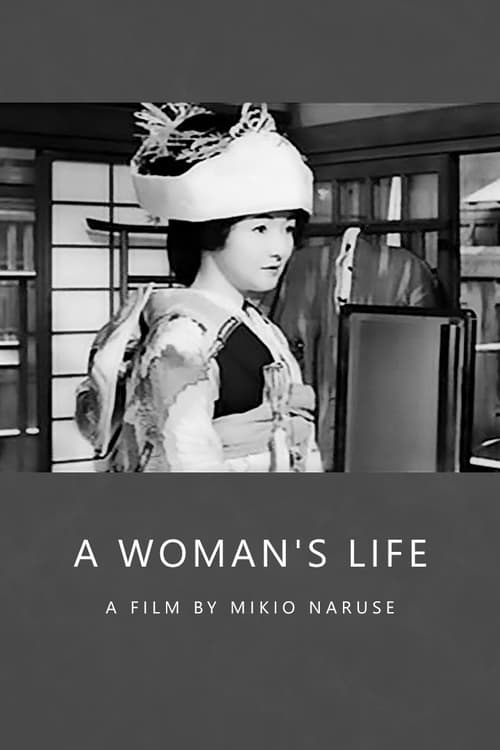
1963
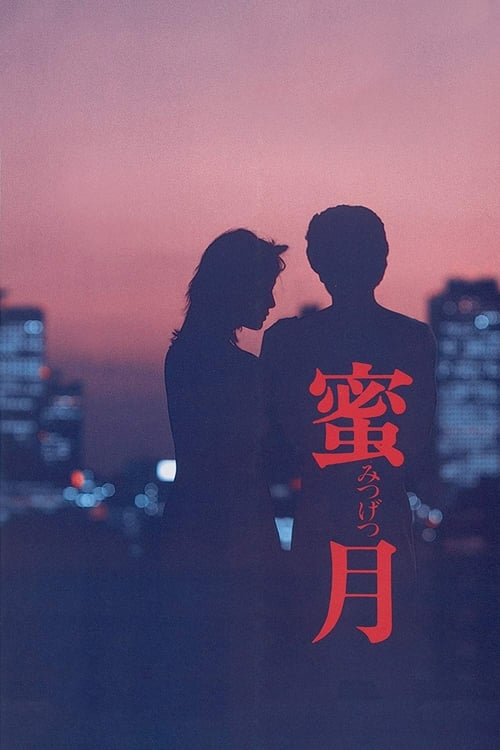
1984
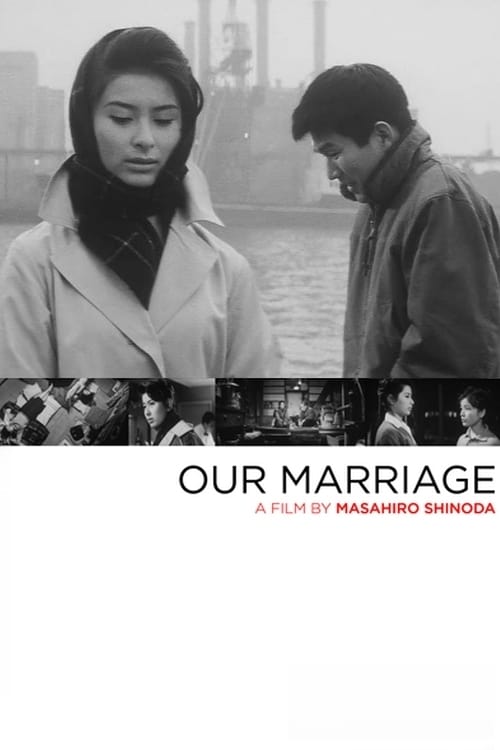
1962
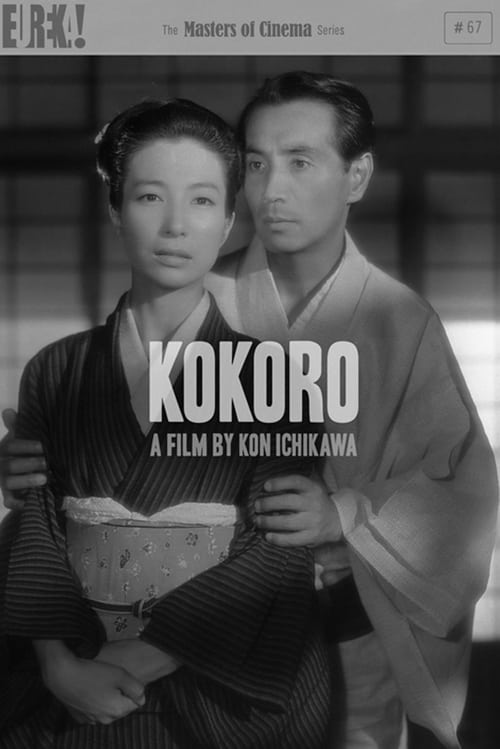
1955
No reviews yet. Be the first to share your thoughts on this movie!
Use the rating form above to leave a star rating and optional review.