Will It Snow for Christmas?
1996
No user ratings available yet
Representation score: 5.6 out of 10
Representation Score
Minimal
1983
Director
Jan Gruyaert
Runtime
85 minutes
Average Rating
No ratings yetNew Showbiz Analysis
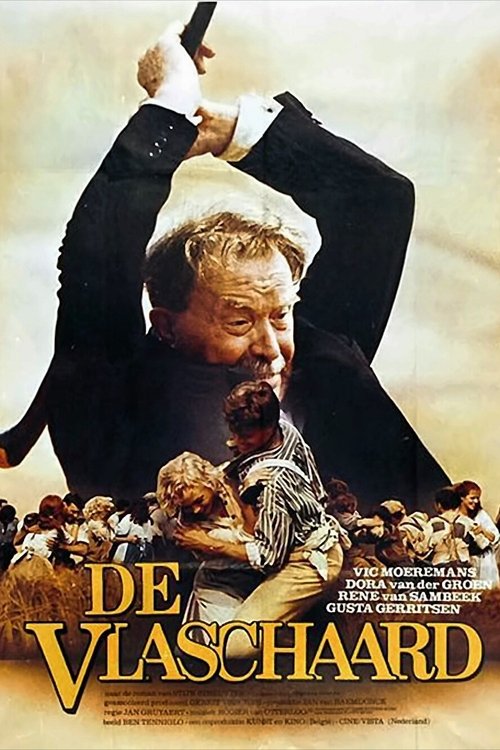
De Vlaschaard examines the decline of a patriarchal system through the lens of a flawed and stubborn leader. While it challenges the idea of a benevolent patriarch, it stays within traditional demographic boundaries. The narrative is deeply rooted in a specific time and place, creating a homogeneous social environment.
Category Breakdown
The film centers around a traditional patriarchal family structure. There are no representations of non-binary genders or same-sex relationships.
The story portrays a strict hierarchy dominated by an authoritarian father. Women are confined to roles of resilience or domestic life.
The setting is confined to a specific region in Flanders. The narrative suggests a society without diverse ethnic perspectives.
The film critiques traditional Western institutions such as the patriarchal family and class-based nunneries. However, it remains rooted in conventional rural social structures.
There are no references to characters dealing with physical disabilities, neurodiversity, or mental health issues.
Present on Screen
Limited or Absent
Official Synopsis
In a part of Flanders where flax is the main crop, farmer Vermeulen rules his estate like an 'old school' patriarch, stern and authoritarian, nobody else's word is ever taken seriously, just scolded fools, he rather risks being wrong then considering any advice. His marriage is based on a grim understanding: the wife Barbele accepts his heartless manner with everyone, even their studious, smart, healthy, studly son and heir Louis, but his two silly sisters are spoiled with a pointless fancy nunnery boarding school education fit for the upper classes. Farm-life is hard enough, laboring without machines or reliable weather, but this year the stubborn master made it even worse by picking the riskier, badly drained field and sowing later then his neighbors, even when luck turns he'll fetch a lower price for it. Poor practically perfect Louis is granted neither praise, respect nor any pleasure, however hard and well he slaves, obedient like the hired farmhands although well-read. Even ...
1996
1984
1921
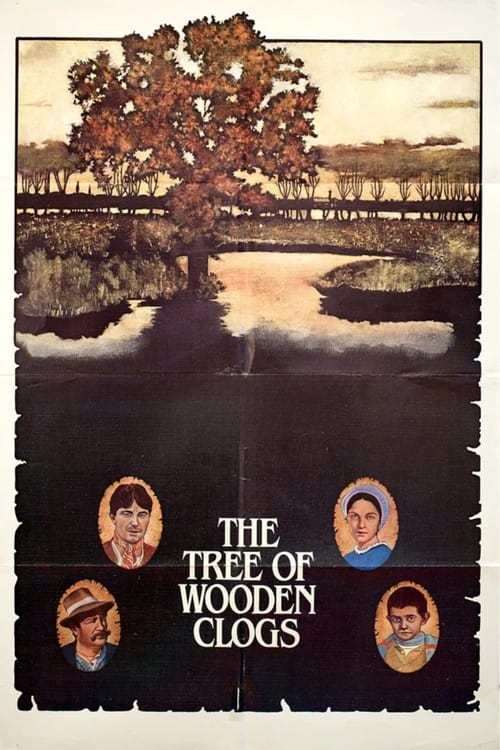
1978
1973
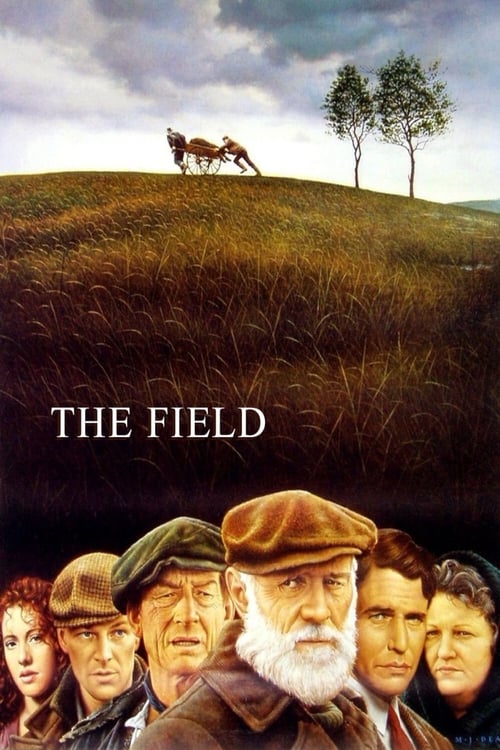
1990
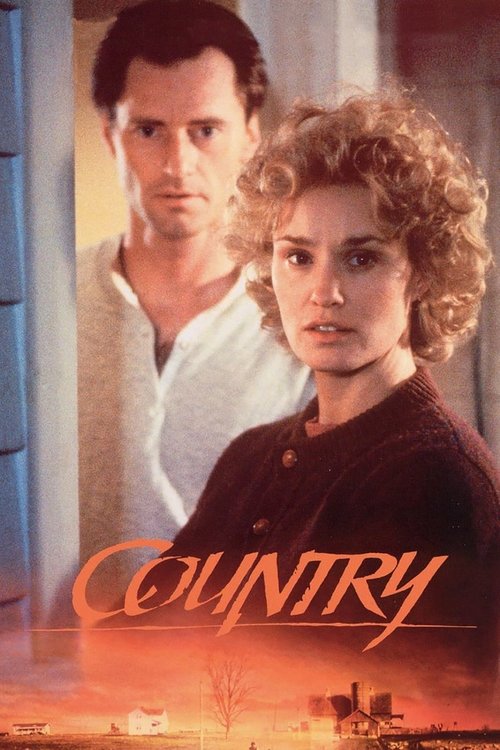
1984

1984
No reviews yet. Be the first to share your thoughts on this movie!
Use the rating form above to leave a star rating and optional review.