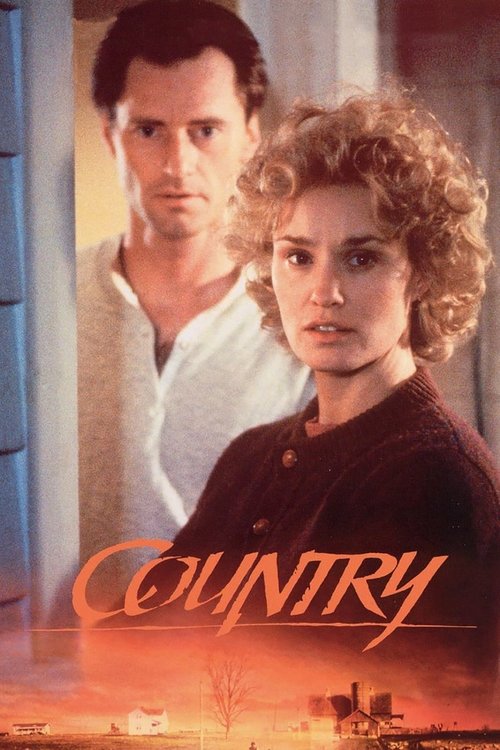
Country
1984
No user ratings available yet
Representation score: 2.5 out of 10

Representation Score
Minimal
1945
ApprovedDirector
Jean Renoir
Runtime
92 minutes
Average Rating
No ratings yetNew Showbiz Analysis
Jean Renoir’s drama is a humanistic character study that emphasizes the dignity of individuals amidst environmental and economic pressures. It excels in its poetic realism and its sophisticated exploration of the moral complexities inherent in poverty and labor. However, the film is deeply rooted in the demographic homogeneity of the mid-1940s. Its narrative structure reinforces traditional social hierarchies, particularly regarding gender and race, offering little in the way of challenging these norms. Ultimately, the film serves as a study of socioeconomic struggle rather than a diverse social tapestry, reflecting the specific social constraints of its era.
Category Breakdown
The film focuses on a traditional agrarian family unit. There are no depictions of LGBTQ+ characters or individuals whose gender doesn't match their birth-assigned sex.
The story centers around a patriarchal family structure led by Sam Tucker. Women play important roles in maintaining family cohesion but are confined to supportive, domestic positions.
The film portrays a predominantly white, rural Southern community. It lacks significant characters of color who have substantial influence or diverse backgrounds.
The movie provides a nuanced look at the economic hardships faced by working-class families. It examines the conflict between legal systems and the survival strategies of the poor.
There is no significant depiction of physical or neurodevelopmental disabilities in this film.
Present on Screen
Limited or Absent
Official Synopsis
Sam Tucker, a cotton picker, in search of a better future for his family, decides to grow his own cotton crop. In the first year, the Tuckers battle disease, a flood, and a jealous neighbor. Can they make it as farmers?
1984

1949

1932

1945

1941

1960

1939

1930
No reviews yet. Be the first to share your thoughts on this movie!
Use the rating form above to leave a star rating and optional review.