
Malvarosa
1958
No user ratings available yet
Representation score: 3.8 out of 10

Representation Score
Limited
1965
Director
Fernando Fernán Gómez
Runtime
119 minutes
Average Rating
No ratings yetNew Showbiz Analysis
Life Goes On is a portrayal of domestic dysfunction that uses irony to dismantle the perceived sanctity of the traditional Spanish family. Despite its limited demographic diversity due to its 1965 Madrid setting, the film's narrative structure is progressive for its time. By replacing idealized social models with themes of moral ambiguity and existential fragmentation, the film shifts away from straightforward moral lessons. Instead, it offers a more nuanced, personal perspective on human existence. Overall, the work serves as a cultural critique, highlighting the tension between individual experiences and rigid institutional norms to question the stability of mid-century society.
Category Breakdown
The film does not include explicit LGBTQ+ identities or non-straight relationships. The social backdrop adheres to mid-20th century Spanish norms where everyone is assumed to be straight.
Eloísa is shown as a self-sacrificing wife in a troubled marriage. The film critiques societal dysfunction through traditional roles rather than celebrating domestic harmony.
The cast is ethnically uniform, mirroring the demographics of 1965 Madrid. There is no significant racial or ethnic diversity in the main characters' stories.
The narrative questions religious practices through a sanctimonious son seeking redemption. It challenges the moral strictures of the time by focusing on existential despair and the absurdity of everyday life.
There are no prominent depictions of characters with visible or invisible disabilities that serve as central narrative elements.
Present on Screen
Limited or Absent
Official Synopsis
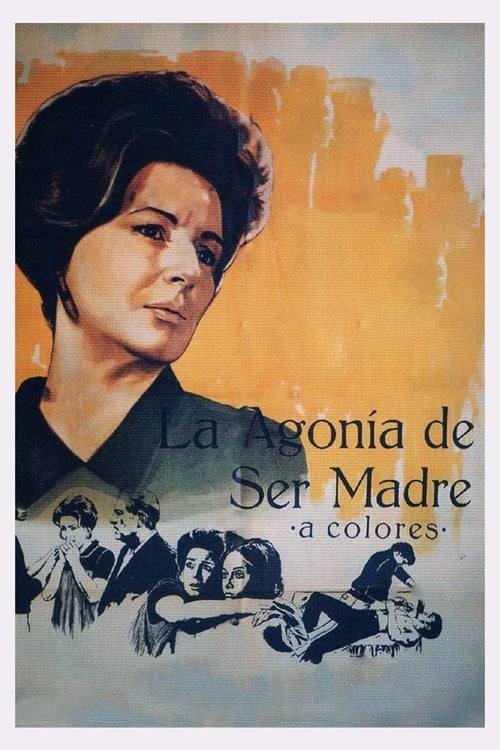
Madrid, Spain. Eloísa, a self-sacrificing wife and efficient mother, lives in the neighborhood of Maravillas with her husband, a violent policeman; her sanctimonious son, who spends his life studying and praying to atone for the sins of his family; and her two daughters, obsessed with wealth, who hate each other deeply.
1958

1984
1970

1984

1985

1945

1962

1961
No reviews yet. Be the first to share your thoughts on this movie!
Use the rating form above to leave a star rating and optional review.