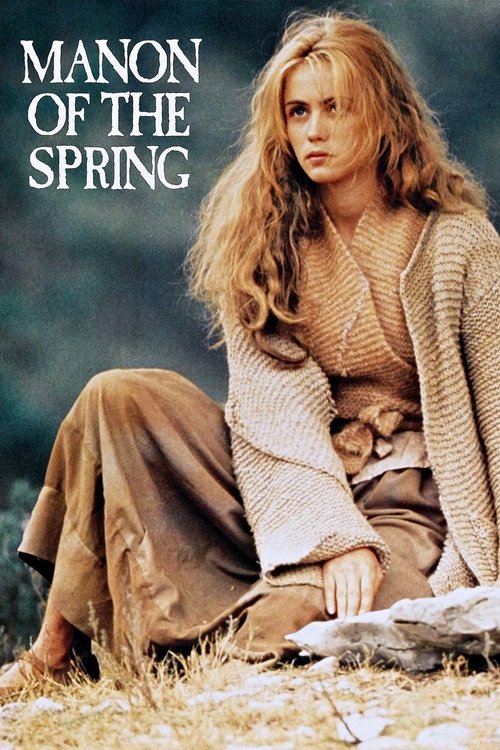
Manon of the Spring
1986
No user ratings available yet
Representation score: 3.2 out of 10
Representation Score
Minimal
1986
PGDirector
Claude Berri
Runtime
122 minutes
Average Rating
No ratings yetNew Showbiz Analysis
Claude Berri’s film is a masterful example of classical naturalism, emphasizing historical authenticity over modern social issues. It focuses on the specific context of 19th-century Mediterranean society, examining the corruptive nature of communal secrets and greed. While the film offers a nuanced look at moral ambiguity, it remains deeply traditional. Its narrative structure upholds historical social hierarchies and gender roles, lacking contemporary progressive representation.
Category Breakdown
The film adheres to traditional romantic pairings and family structures, without any queer subtext or non-traditional gender identities.
Female characters play crucial roles in the emotional storyline, but their influence is confined to the domestic sphere. The plot is driven by male pursuits of land, water, and family legacy.
The film depicts a homogeneous, Eurocentric community in rural Provence, reflecting the demographics of its time without incorporating diverse ethnic groups.
The story explores communal morality and greed through the lens of resource scarcity and secrets, avoiding a singular religious perspective.
There are no prominent depictions of visible or invisible disabilities, nor are there any plot devices centered around disability.
Present on Screen
Limited or Absent
Official Synopsis
In a rural French village, an old man and his only remaining relative cast their covetous eyes on an adjoining vacant property. They need its spring water for growing their flowers, and are dismayed to hear that the man who has inherited it is moving in. They block up the spring and watch as their new neighbour tries to keep his crops watered from wells far afield through the hot summer. Though they see his desperate efforts are breaking his health and his wife and daughter's hearts, they think only of getting the water.
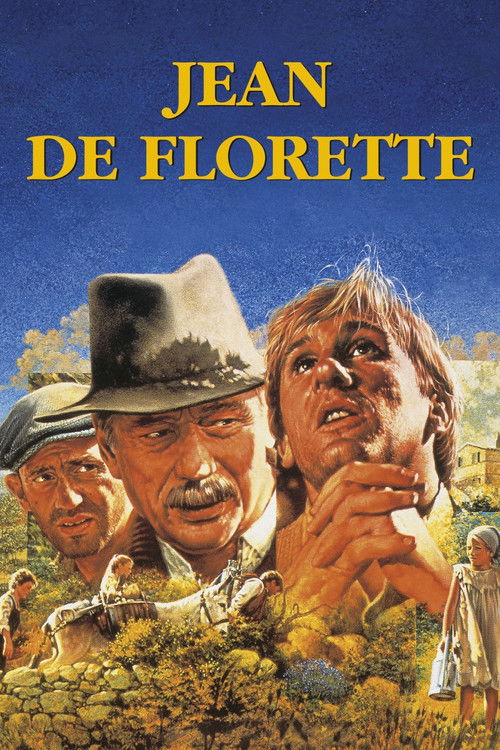
1986
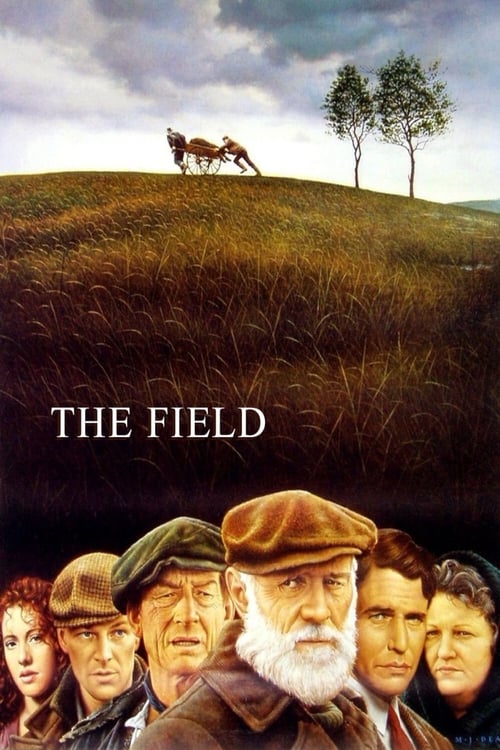
1990

1938

1949
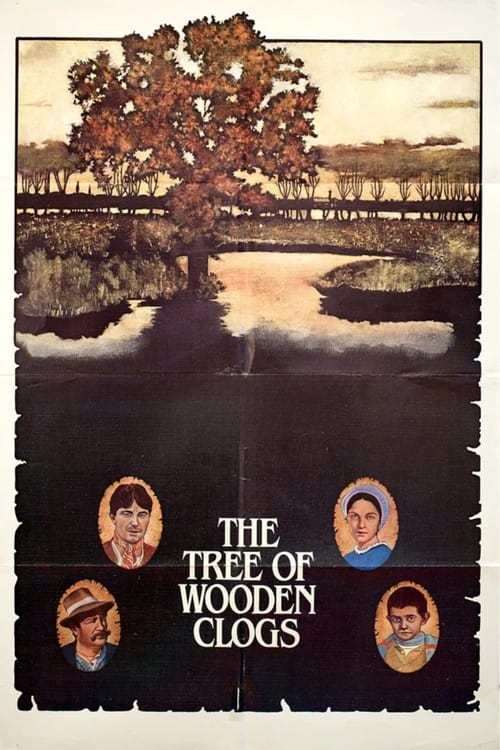
1978

1988
1985

1960
No reviews yet. Be the first to share your thoughts on this movie!
Use the rating form above to leave a star rating and optional review.