
De Vlaschaard
1983
No user ratings available yet
Diversity score: 3.0 out of 10
1980
Director
Robbe De Hert
Runtime
106 minutes
Average Rating
No ratings yetSynopsis
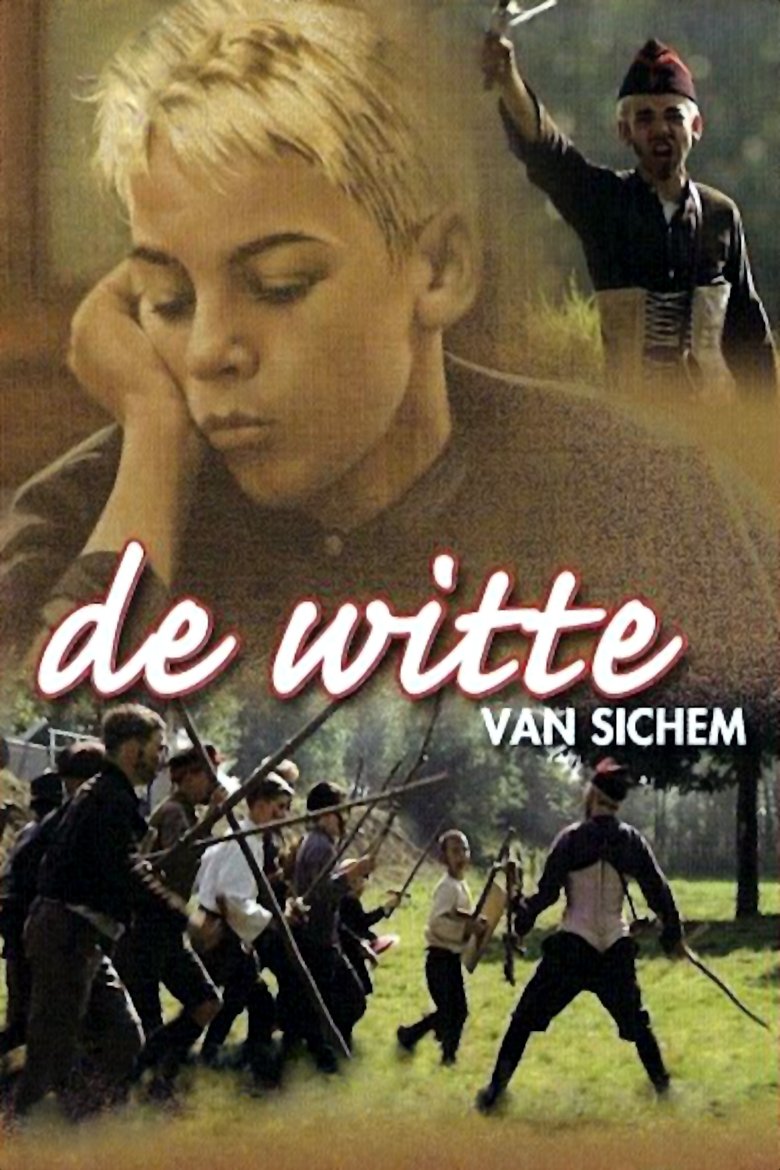
The second movie version, now in color, of Flemish (heimat-)author Ernest Claes' classical novel, titled after the nickname (Dutch 'the White', referring to a blond male) of the main character. The smart but naughty farmhands son's eternal mischief, pranks and disobedience drive his elders (especially teachers, family and father's grumpy employer, a rich farmer, but also neighbors and even the kind curate whose liturgical server he is) and classmates to despair in a time when a boy's punishment was still inevitable, swift and often severe; thus when his mother catches him skinny dipping she takes all his clothes home, forcing him to a long walk of shame, dreading dad's wrath all the way. This version also stresses the story's social and Flamingant aspects.
Overall Score
Limited
Category Breakdown
LGBTQ+ Representation
The film lacks visible LGBTQ+ characters or explorations of non-cisnormative identities. The social landscape remains strictly heteronormative, adhering to traditional domestic and communal structures.
Gender Representation
Narrative focus centers heavily on male camaraderie and paternal authority. While the mother exercises domestic discipline, female characters largely operate within conventional, patriarchal roles.
Racial & Ethnic Diversity
This is an ethnically homogeneous study of Flemish working-class life. It offers no intersectional expansion, reflecting the specific historical and regional context of the era.
Religious & Cultural Diversity
The film critiques established Western institutions by framing the protagonist's mischief as a response to authority. It subtly deconstructs the moral hegemony of religious and capitalist structures.
Disability Representation
There is no prominent or meaningful depiction of physical or neurodivergent disabilities. Characters are defined by social class rather than varied physical or mental lived experiences.
Strengths
Areas for Improvement
AI Analysis
Whitey (1980) functions as a social realist period drama that prioritizes socioeconomic struggle over identity diversity. It succeeds in deconstructing traditional power hierarchies by portraying the working class as a group navigating systemic marginalization and institutional pressure. However, the film is deeply localized and lacks intersectional breadth. The narrative is dominated by patriarchal structures and a homogeneous Flemish setting, offering little representation for LGBTQ+ identities, diverse ethnicities, or people with disabilities. Ultimately, the film's strength lies in its anti-establishment subtext rather than its demographic inclusivity.
1983

1996
1955
1980

1967

1955

1963
1980

2010

2001

1932

1983
No reviews yet. Be the first to share your thoughts on this movie!
Use the rating form above to leave a star rating and optional review.