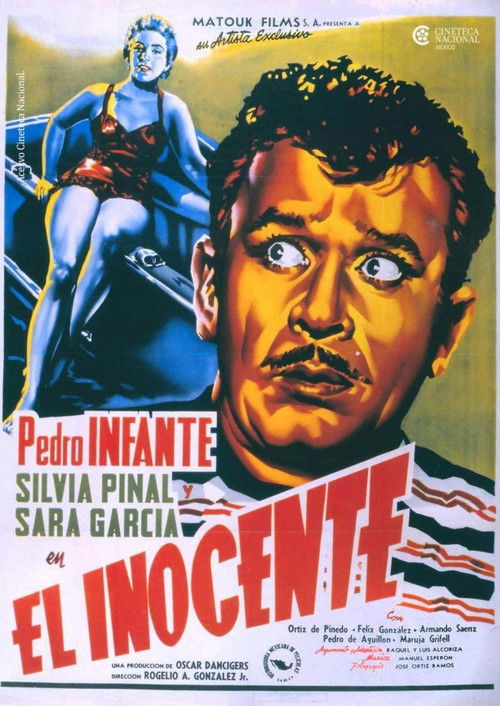
The Innocent
1956
No user ratings available yet
Representation score: 1.7 out of 10

Representation Score
Limited
1955
Director
Rogelio A. González
Runtime
99 minutes
Average Rating
No ratings yetNew Showbiz Analysis
School for Tramps is a quintessential product of the Mexican Golden Age, reflecting mid-20th-century social standards. The narrative relies on established hierarchies and conventional romantic clichés typical of the era's studio system. While the film accurately portrays the demographic reality of its time through a Mestizo cast, it lacks the intention to disrupt systemic norms. It prioritizes traditional class dynamics and domestic roles over progressive representation. Ultimately, the film serves as a cohesive cultural specimen that reinforces social stability and traditional family structures rather than challenging them.
Category Breakdown
The film does not include any non-straight or non-cisgender identities or same-sex relationships. It follows a traditional romantic storyline focused on the male lead and his relationship with the female character.
Gender roles adhere to mid-century norms. Emilia handles the household duties while the male composer, Alberto Medina, drives the plot, reinforcing traditional gender hierarchies.
The cast is primarily Mestizo, accurately representing the demographics of the Mexican Golden Age. The film operates within a culturally homogeneous framework without whitewashing.
The story emphasizes class distinctions and community bonds. It upholds traditional social structures and family stability without critiquing existing institutions or capitalist systems.
There are no visible or invisible disabilities that affect the narrative or the characters' roles.
Present on Screen
Limited or Absent
Official Synopsis
Alberto Medina is a famous composer whose car breaks down while he is on a trip. While looking for help, he finds the Valverdes' house and is welcomed in by Emilia, the mother of the family, who is known for taking in tramps.
1956
1953
1947
1953

1935
1953
1956

1962
No reviews yet. Be the first to share your thoughts on this movie!
Use the rating form above to leave a star rating and optional review.