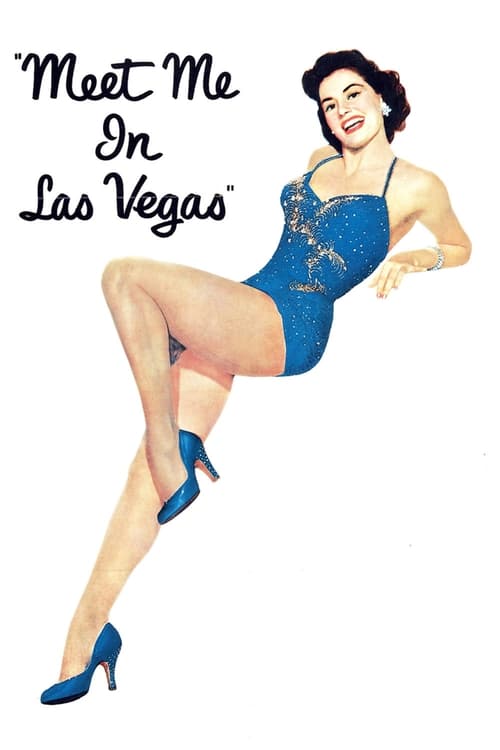
Meet Me in Las Vegas
1956
No user ratings available yet
Representation score: 1.4 out of 10
Representation Score
Minimal
1956
ApprovedDirector
Fred F. Sears
Runtime
78 minutes
Average Rating
No ratings yetNew Showbiz Analysis
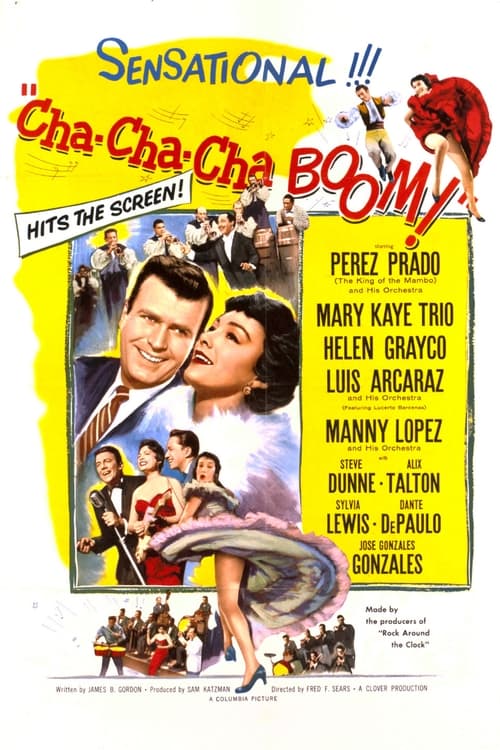
Cha-Cha-Cha Boom! is a product of mid-century Hollywood, focusing on entertainment standards of the time. While it features Latin American music, these elements are used more as stylistic trends than for deep character development. The film adheres to traditional social hierarchies and romantic clichés typical of 1956. It lacks the narrative complexity necessary to challenge established cultural norms or offer meaningful representation for underrepresented groups. Overall, the film reflects a traditional cinematic landscape where cultural motifs are used for escapism rather than providing substantial character development.
Category Breakdown
The film does not include any characters with openly LGBTQ+ identities. Given its 1956 release date, the story likely follows traditional heterosexual relationships.
The film focuses on traditional gender roles in romance and comedy. Women are not shown as having positions of intellectual or physical superiority.
The film includes Latin American music, but these elements seem to be used more as stylistic decorations rather than to explore the characters' ability to act.
The film aligns with the conventional morality and social norms of mid-century Western society. It serves as escapist entertainment rather than a critique of societal issues.
There is no information available about the portrayal of physically or neurodivergent characters in this film.
Present on Screen
Limited or Absent
Official Synopsis
A programmer with a Latin American beat.
1956

1953
1965
1951
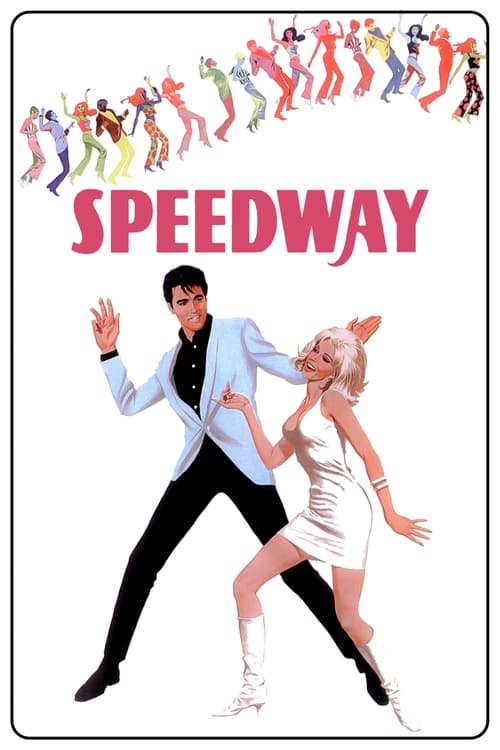
1968
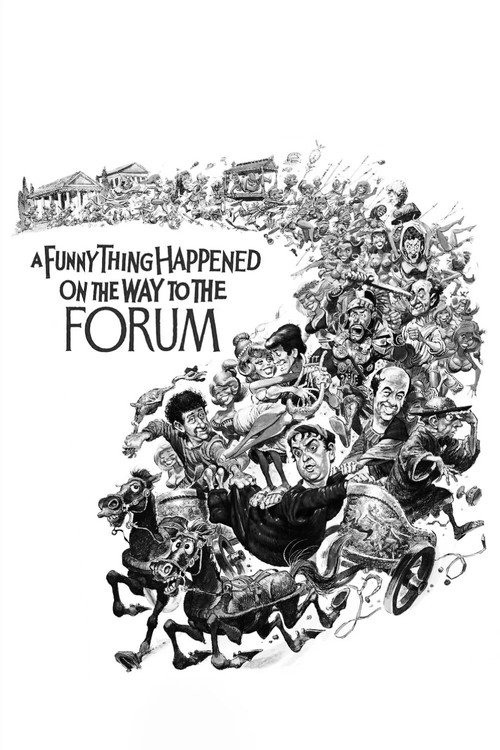
1966

1935
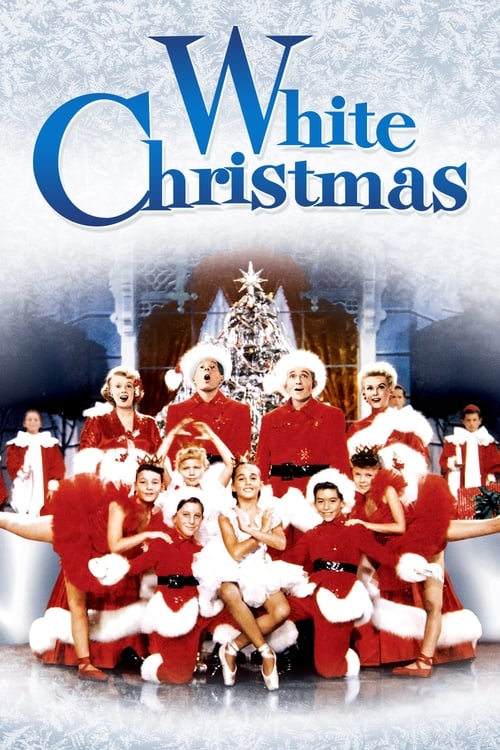
1954
No reviews yet. Be the first to share your thoughts on this movie!
Use the rating form above to leave a star rating and optional review.