
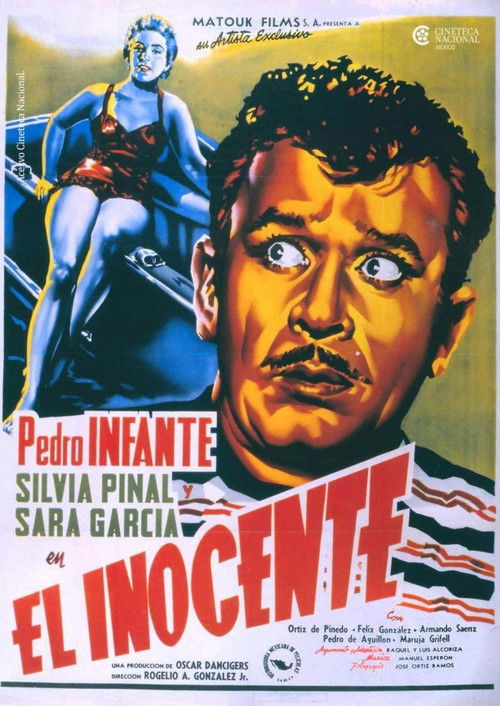
School for Tramps
1955
No user ratings available yet
Representation score: 2.6 out of 10
Representation Score
Minimal
1956
Director
Rogelio A. González
Runtime
105 minutes
Average Rating
No ratings yetNew Showbiz Analysis
The film serves as a culturally authentic snapshot of mid-century Mexico, successfully avoiding the Western-centric casting biases prevalent in global cinema of the 1950s. By centering Mexican social dynamics and settings, it provides a grounded sense of regional identity. However, the narrative is heavily constrained by the conservative social mores of its era. The plot relies on traditional gender clichés and the enforcement of domestic stability through marriage, which limits its progressive appeal. Ultimately, while the film excels in ethnic authenticity, it lacks diversity in terms of identity expression and social subversion, functioning primarily as a standard romantic comedy within a traditional framework.
Category Breakdown
The film follows a strictly straight-centered trajectory. There is no evidence of queer subtext or non-cisgender identities within the narrative.
Mane shows some ability to act through independent travel, but the plot ultimately reinforces patriarchal structures. The resolution relies on a forced marriage to resolve social impropriety.
As a Mexican production, the film offers high ethnic authenticity. It avoids the whitewashing seen in contemporary Hollywood by centering local populations and settings.
The story prioritizes mid-century traditionalism and social reputation. It focuses on the sanctity of the family unit and conventional social morality.
There are no visible or invisible disabilities portrayed as central to the character development or the narrative arc.
Present on Screen
Limited or Absent
Official Synopsis
After a quarrel with her boyfriend on New Year's Eve, Mane drives her car from Mexico City to Cuernavaca to meet her parents in their country house. The car breaks down in the highway and Mane has to ask for help. Mechanic Cruci arrives and, after testing the car, offers Mane a ride on his motorcycle. Back in Mane's house, she invites him some drinks to celebrate New Year's Eve. They get drunk and, the morning after, Mane's parents arrive and find them sleeping together. Not knowing what happened, Mane and Cruci are forced to get married against their will.
1955
1956
1953

1952
1947
1958
1965
1964
No reviews yet. Be the first to share your thoughts on this movie!
Use the rating form above to leave a star rating and optional review.