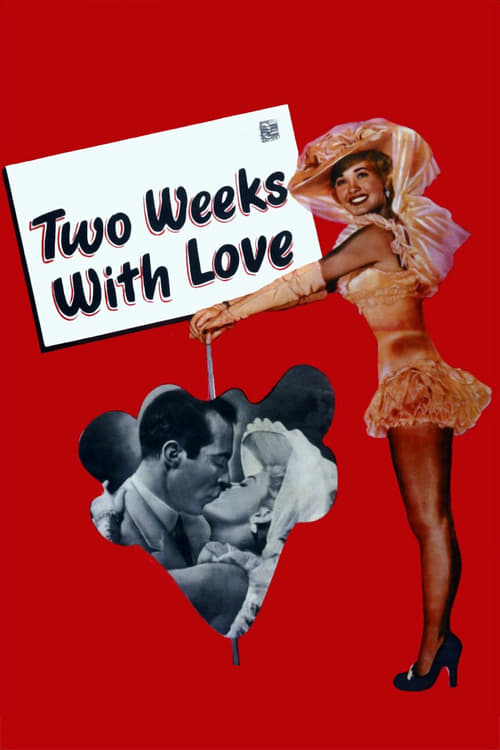
Two Weeks with Love
1950
No user ratings available yet
Representation score: 1.1 out of 10
Representation Score
Minimal
1953
ApprovedDirector
Don Weis
Runtime
72 minutes
Average Rating
No ratings yetNew Showbiz Analysis
The film reflects its era, relying heavily on mid-century social structures and conventional romantic clichés. The narrative emphasizes a male-centric perspective, where female characters are often defined by their relationships to men or paternal authority. Diversity is limited, as the story lacks multi-ethnic representation and focuses on a homogeneous social environment. The conflicts center around restoring a traditional romantic status quo rather than challenging existing social norms. While the inclusion of an all-girl band offers a glimpse of female collective organization, the overarching themes remain rooted in patriarchal hierarchies and traditional storytelling.
Category Breakdown
The film does not include any LGBTQ+ characters or representations of non-straight relationships.
The story centers on a male protagonist pursuing a romantic interest. An all-girl band provides some female involvement, but the overall narrative remains focused on male-centric themes.
The setting and characters suggest a homogeneous social environment with no indication of multi-ethnic representation or diverse racial backgrounds.
The story operates within a traditional Western framework, reinforcing established social hierarchies and familial structures without offering any systemic critique.
The narrative does not mention any characters with visible or invisible disabilities.
Present on Screen
Limited or Absent
Official Synopsis
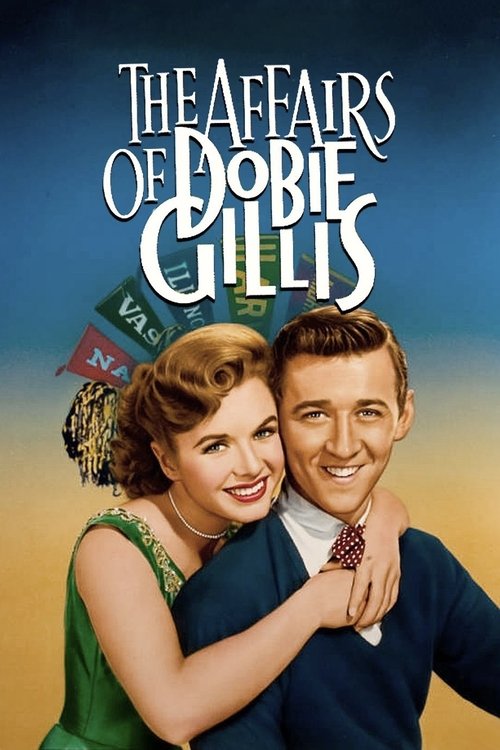
Grainbelt University has one attraction for Dobie Gillis - women, especially Pansy Hammer. Pansy's father, even though and maybe because she says she's in dreamville, does not share her affection for Dobie. An English essay which almost revolutionizes English instruction, and Dobie's role in a chemistry lab explosion convinces Mr. Hammer he is right. Pansy is sent off broken-hearted to an Eastern school, but with the help of Happy Stella Kolawski's all-girl band, several hundred students and an enraged police force, Dobie secures Pansy's return to Grainbelt.
1950

1953
1938
1962

1952
1947
1938
1947
No reviews yet. Be the first to share your thoughts on this movie!
Use the rating form above to leave a star rating and optional review.