Así es el tango
1937
No user ratings available yet
Representation score: 2.5 out of 10
Representation Score
Minimal
1953
TV-PGDirector
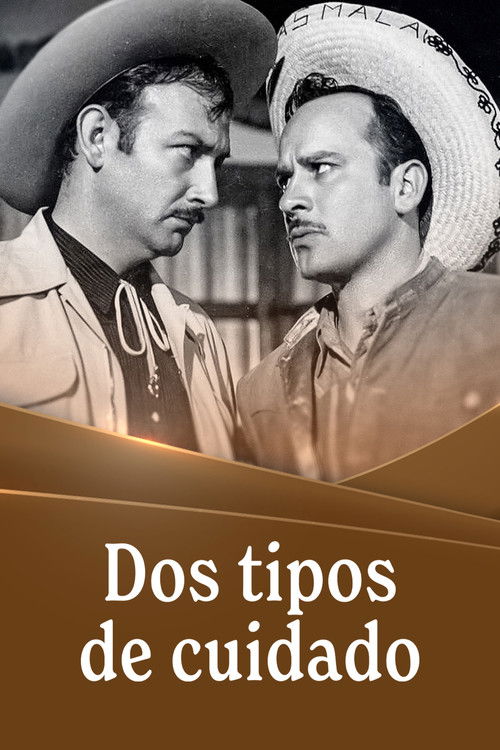
Ismael Rodríguez
Runtime
111 minutes
Average Rating
No ratings yetNew Showbiz Analysis
Dos tipos de cuidado serves as a cultural stabilizer for the Golden Age of Mexican cinema. It excels at establishing national archetypes and celebrating Mexican identity through its working-class characters and comedic elements. However, the film lacks progressive complexity, adhering strictly to the social and moral frameworks of its era, reinforcing traditional gender roles and straight-centered structures. Ultimately, the film prioritizes cultural homogeneity and established social hierarchies over characters who reflect more than one aspect of diversity or systemic critique.
Category Breakdown
The film focuses solely on heterosexual relationships and male friendships. There is no depiction of LGBTQ+ identities or same-sex intimacy.
The narrative revolves around male protagonists, with women primarily serving as romantic interests or catalysts for male conflict, reinforcing traditional gender roles.
The cast is predominantly Mexican, emphasizing national identity and working-class characters. It lacks diversity beyond this specific cultural context.
The story upholds traditional social structures and values, focusing on community cohesion without critiquing systemic institutions or the family unit.
There are no prominent depictions of disabilities that play a central role in the narrative.
Present on Screen
Limited or Absent
Official Synopsis
Jorge Bueno and Pedro Malo are best friends who consider giving up their womanizing ways when they each fall in love. As fate would have it, Pedro Malo unexpectedly marries Jorge Bueno's girlfriend, and the conflict between the former buddies begins.
1937
1956

1955
1953
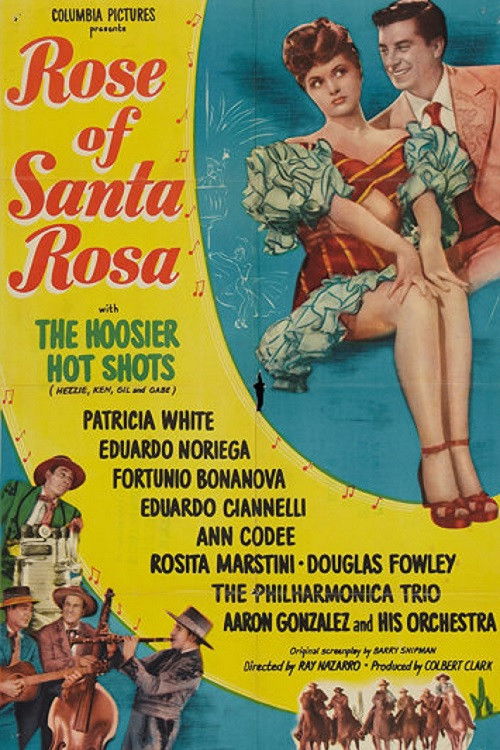
1947
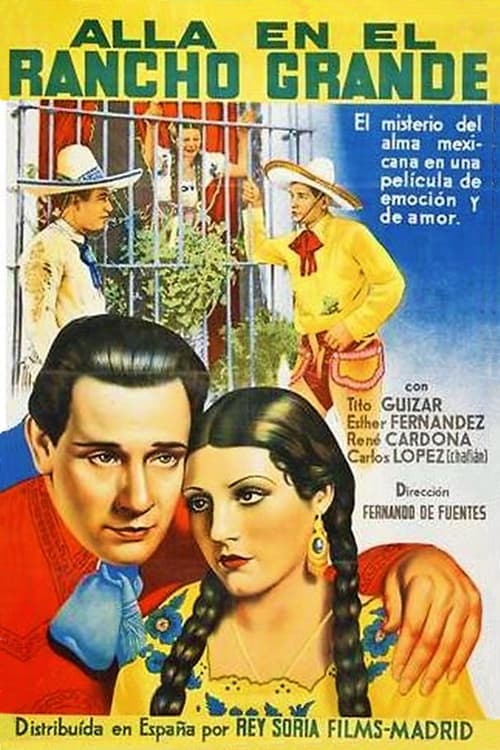
1936
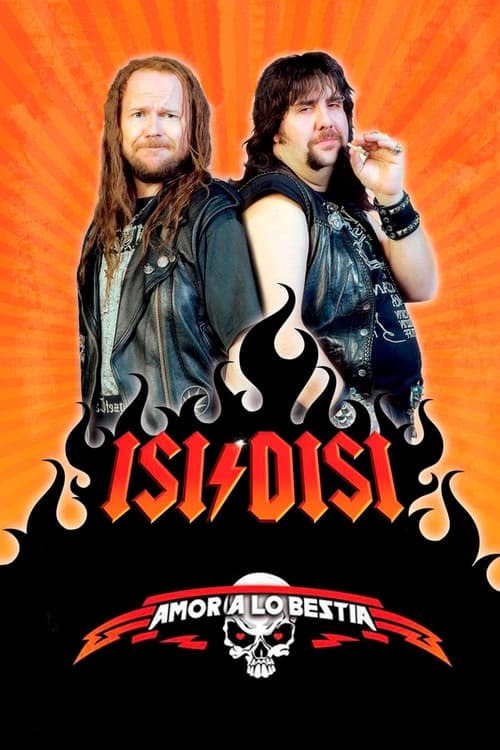
2004

1951
No reviews yet. Be the first to share your thoughts on this movie!
Use the rating form above to leave a star rating and optional review.