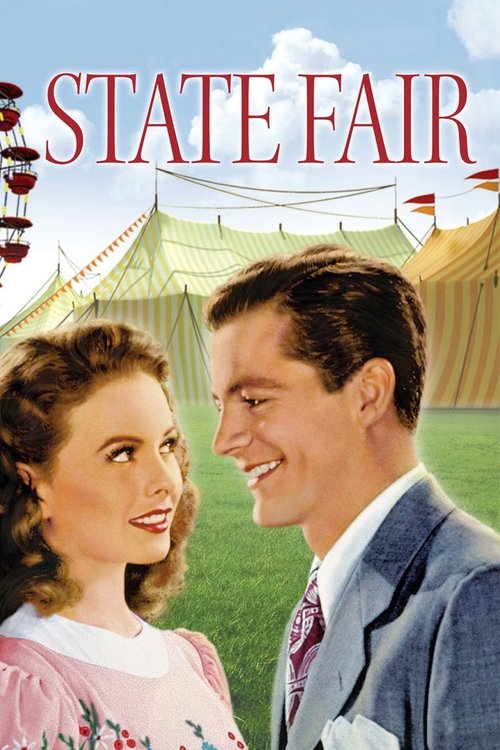
State Fair
1945
No user ratings available yet
Representation score: 1.5 out of 10

Representation Score
Minimal
1962
ApprovedDirector
José Ferrer
Runtime
120 minutes
Average Rating
No ratings yetNew Showbiz Analysis
State Fair is a classic example of mid-century traditional cinema. The film emphasizes stability and the preservation of established Western social norms through a streamlined storytelling approach. By focusing on an idealized depiction of rural America, the narrative avoids the complexities of diverse identities. Instead, it reinforces the social and cultural norms of its time. The production follows the conventions of mid-century Hollywood, prioritizing romantic idealism and traditional narrative structures without challenging the status quo.
Category Breakdown
The film focuses solely on traditional heterosexual relationships and does not include any characters with LGBTQ+ identities or critique heteronormativity.
Female characters have strong emotional roles in the story but the narrative upholds traditional gender hierarchies. Male characters are defined by their work in agriculture and adherence to traditional pursuits.
The cast is primarily made up of white actors, reflecting the limited diversity of a 1962 rural community. Characters of color do not have significant roles in the story.
The story highlights the traditional American family and rural lifestyle. It presents an idealized view of stability and social order.
There are no characters with visible or invisible disabilities. All characters are portrayed within a typical range of physical abilities.
Present on Screen
Limited or Absent
Official Synopsis
Texan farmers the Frake family head for the Texas State Fair in Dallas. The parents are focused on winning the competitions for livestock and cooking. However, their restless daughter Margy and her brother Wayne meet attractive new love interests.
1945
1964
1942
1963
1969
2000
1950
1962
No reviews yet. Be the first to share your thoughts on this movie!
Use the rating form above to leave a star rating and optional review.