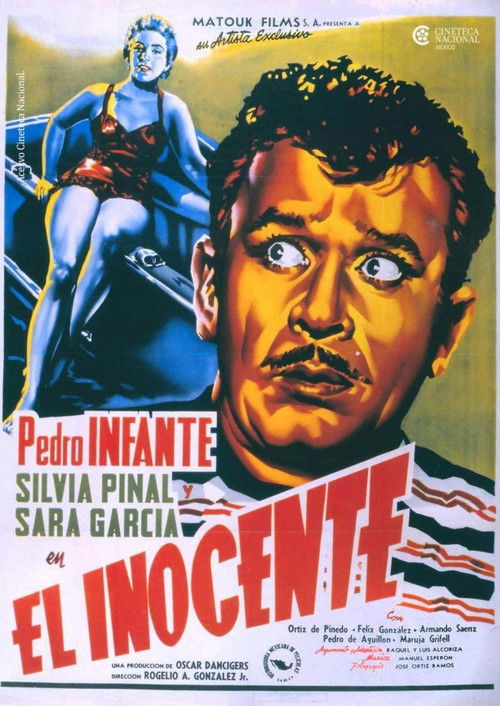
The Innocent
1956
No user ratings available yet
Representation score: 1.7 out of 10
Representation Score
Limited
1947
ApprovedDirector
Ray Nazarro
Runtime
65 minutes
Average Rating
No ratings yetNew Showbiz Analysis
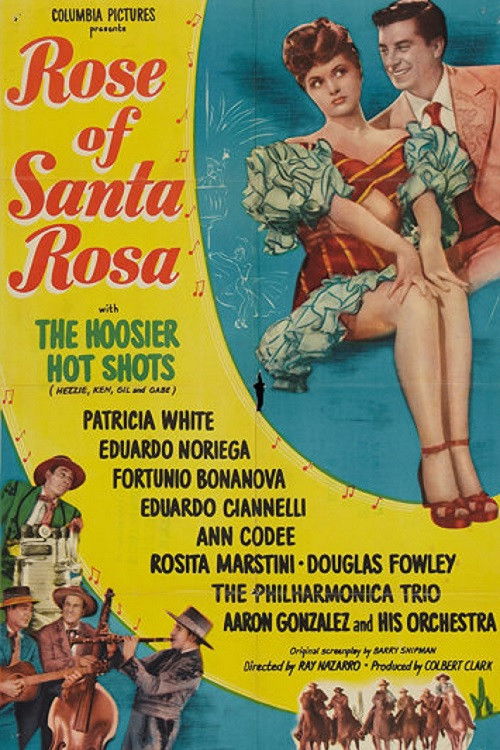
Rose of Santa Rosa is a conventional mid-century romantic comedy. Although it includes ethnic diversity through its setting and character names, the narrative adheres closely to established social hierarchies and patriarchal authority. The film's structure supports traditional romantic resolutions and familial duties. It does not challenge or subvert the cultural norms of the 1940s. Ultimately, the work serves primarily as genre-driven entertainment rather than a tool for social or cultural deconstruction.
Category Breakdown
The film focuses on heterosexual relationships and does not include any characters with non-binary gender identities or same-sex relationships.
The story centers around patriarchal authority, particularly through Don Manuel's control over his son. Rose takes control by opening a nightclub, but the story concludes with traditional romantic relationships.
Set in a Latin American context, the film introduces ethnic diversity. However, the characters primarily serve as a backdrop for romantic melodrama.
The narrative emphasizes familial piety and upholds traditional social order. It does not offer a critique of these institutions but instead reinforces them.
There are no characters with visible or invisible disabilities mentioned in the film.
Present on Screen
Limited or Absent
Official Synopsis
Angry because his father, Don Manuel Ortega, had arranged a marriage with a girl he has never met, Dolores de Garfias, Ramon Ortega, despite the threat of being disinherited, becomes an entertainer at a local night club. His father uses his influence and has the club closed. Ramon goes to Santa Rosa and helps a beautiful senorita, Rose, open her new night club and falls in love with her. When his father arrives, Ramon learns that "his" Rose is the Dolores his father wanted him to marry in the first place.
1956

1955
1962
1937
1942
1949
1943
1932
No reviews yet. Be the first to share your thoughts on this movie!
Use the rating form above to leave a star rating and optional review.