
Under Your Spell
1936
No user ratings available yet
Representation score: 0.6 out of 10

Representation Score
Limited
1935
ApprovedDirector
Lloyd Bacon
Runtime
84 minutes
Average Rating
No ratings yetNew Showbiz Analysis
In Caliente is a product of the 1930s studio system, prioritizing commercial entertainment over social subversion. It leans heavily on established genre hierarchies and traditional romantic structures. The film's primary strength lies in its casting, providing a platform for a prominent Latina actress in a leading role. This offers a level of ethnic visibility that was uncommon in much of the era's Anglo-centric output. However, the film remains limited by the era's constraints. It utilizes exoticism as a setting for romance and maintains conventional social hierarchies, offering little in the way of diverse identity representation.
Category Breakdown
The film follows a strictly heterosexual romantic structure. There is no depiction of same-sex relationships or non-binary gender identities.
While Dolores del Río provides a charismatic presence, the narrative relies on traditional 1930s courtship clichés. The female lead's role is largely defined by her romantic entanglements.
The casting of Dolores del Río offers notable ethnic visibility for the time. However, the Mexican setting often serves as an exotic backdrop for a Western romantic narrative.
The story functions as a conventional escapist comedy centered on socialite dynamics. It adheres to the standard moral frameworks and Western values of its production period.
No visible or invisible disabilities are depicted. No characters with disabilities are used as plot devices within the narrative.
Present on Screen
Limited or Absent
Official Synopsis
At a Mexican resort, a fast-talking magazine editor woos the dancer he's trashed in print.
1936
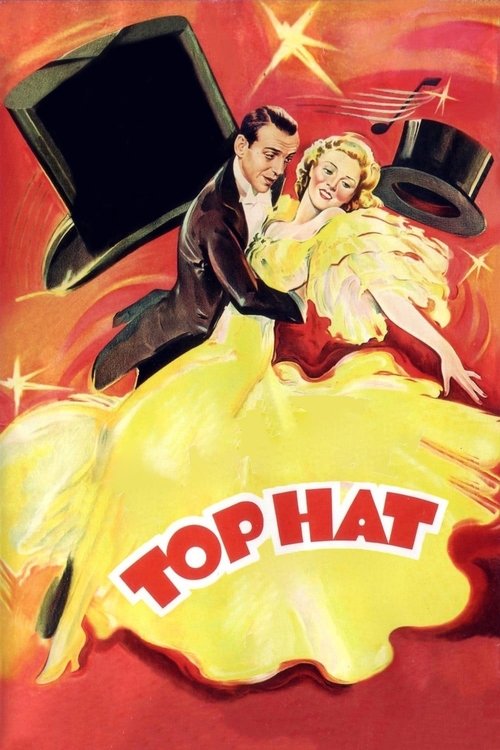
1935

1930

1936
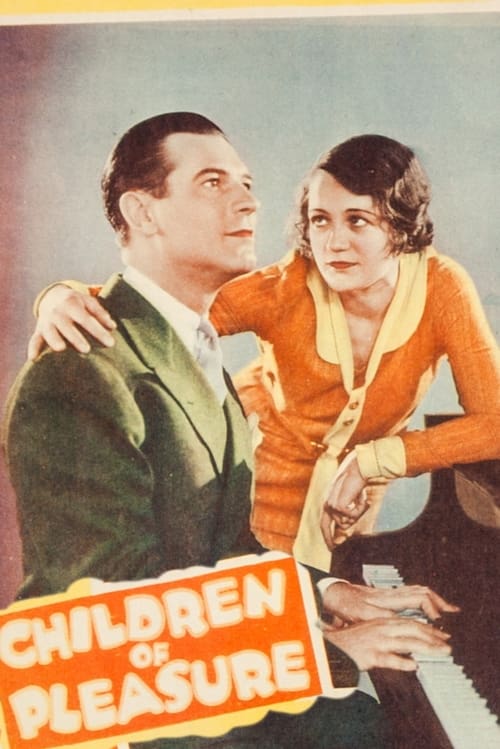
1930

1937
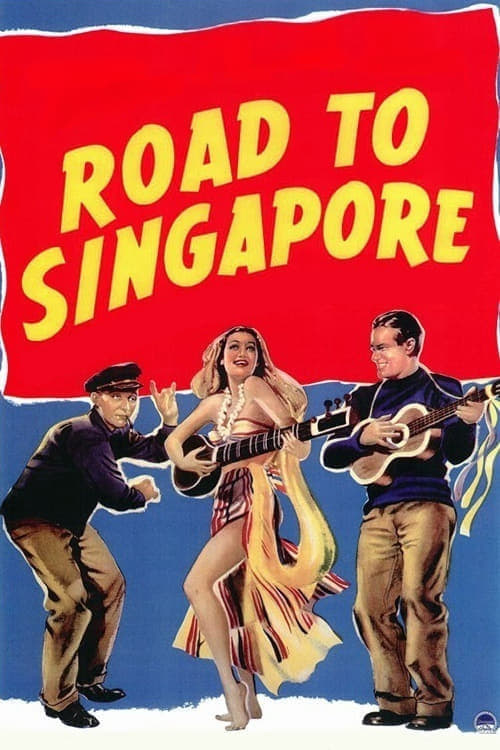
1940
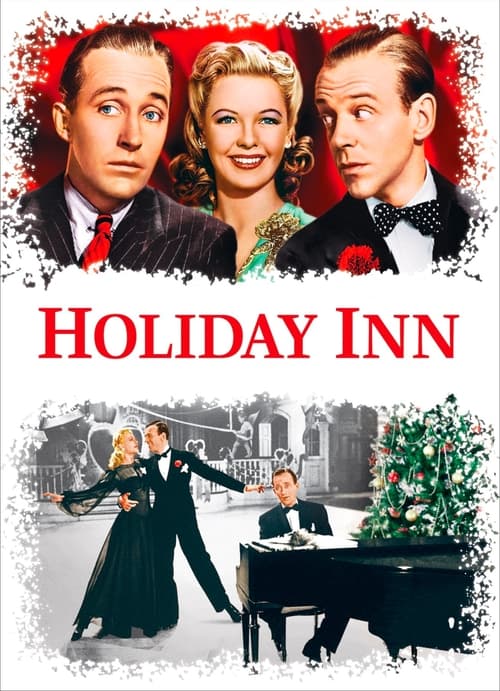
1942
No reviews yet. Be the first to share your thoughts on this movie!
Use the rating form above to leave a star rating and optional review.