Little Forest: Summer/Autumn
2014
No user ratings available yet
Representation score: 3.1 out of 10
Representation Score
Limited
2013
Director
Yoshihiro Nakamura
Runtime
129 minutes
Average Rating
No ratings yetNew Showbiz Analysis
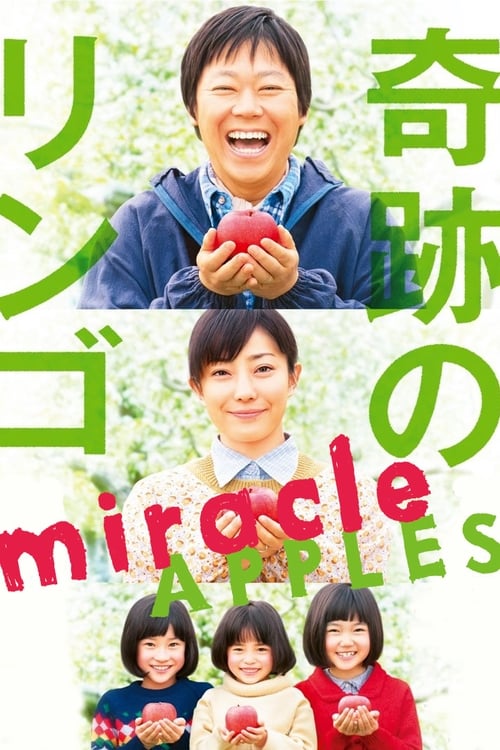
Miracle Apples is a localized, traditional domestic drama centered on familial resilience and agrarian struggles. It focuses on a specific regional narrative that aligns with conventional social and moral structures. The film does not engage with broader social critiques or diverse identity representations. It stays within a narrow, homogeneous framework.
Category Breakdown
The film does not include any LGBTQ+ characters or stories about non-cisgender identities. The main relationship is shown as a traditional marriage between Akinori and Mieko.
Although Mieko's allergic reaction starts the plot, Akinori takes the lead in solving the family's problems. The film supports traditional gender roles where the man is the provider and problem-solver.
The cast and setting are uniform, reflecting the specific regional context of Aomori Prefecture. The story does not feature multicultural casting or ethnic diversity.
The story highlights traditional values of hard work and agricultural perseverance. It follows conventional moral structures without questioning institutions or exploring moral relativism.
Mieko’s physical condition drives the plot, but it mainly serves as a medical trigger. The film does not deeply explore disability or neurodivergence.
Present on Screen
Limited or Absent
Official Synopsis
Akinori Kimura (Sadao Abe) and his wife Mieko (Miho Kanno) opens an apple orchard in their hometown of Hirosaki in Aomori Prefecture. Due to Meiko's allergic reaction to pesticides, Akinori Kimura has to grow his apples without the aid of chemicals. Because of this challenge, his family endures hardships and suffers severe financial difficulties. Akinori Kimura even contemplates suicide. A miracle then happens...
2014

1960
1994

2010
1957

2019
1939
2015
No reviews yet. Be the first to share your thoughts on this movie!
Use the rating form above to leave a star rating and optional review.