The Ballad of Jack and Rose
2005
No user ratings available yet
Representation score: 7.6 out of 10
Representation Score
Limited
2010
Not RatedDirector
Julie Bertuccelli
Runtime
100 minutes
Average Rating
No ratings yetNew Showbiz Analysis
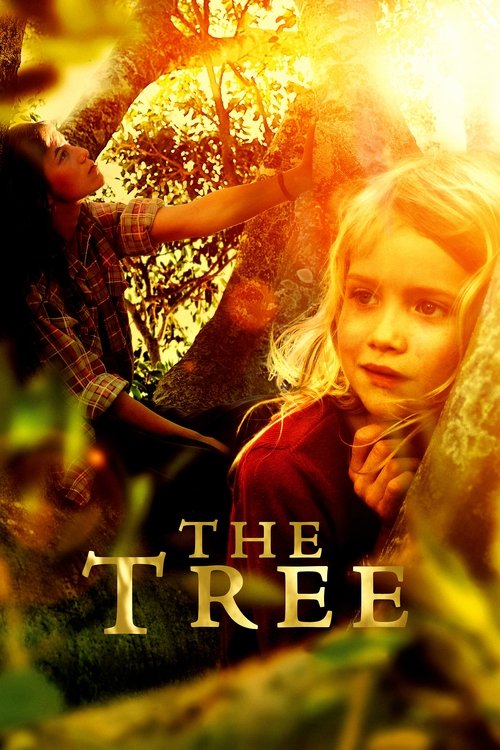
The Tree is a specialized character study that prioritizes naturalist storytelling and emotional realism. It provides depth to female emotional strength and the psychological landscape of childhood grief. However, the film remains limited by its lack of diverse representation. The narrative adheres to a conventional, homogeneous demographic that lacks racial or LGBTQ+ representation. Ultimately, the film's focus is deeply localized and personal, favoring a specific domestic experience over broader sociopolitical or diverse perspectives.
Category Breakdown
The film does not include any LGBTQ+ characters or themes. It focuses solely on a nuclear family and the protagonist's personal grieving process.
The story centers on the female perspective and emotional strength. By emphasizing the maternal figure and the young girl's inner world, it shifts focus away from traditional patriarchal structures.
The film depicts a homogeneous white family in a rural setting. It adheres to a localized European aesthetic without incorporating diverse racial or ethnic identities.
The narrative avoids critiques of Western institutions or organized religion. It functions as a character study of grief rather than a deconstruction of societal norms.
The film explores themes of psychological dissociation and non-standard cognitive processing. While these serve as poetic metaphors for grief, they are not a focused study of disability.
Present on Screen
Limited or Absent
Official Synopsis
The O'Neills lived happily in their house in the Australian countryside. That was until one day fate struck blindly, taking the life of Peter, the father, leaving his grief-stricken wife Dawn alone with their four children. Among them, eight-year-old Simone denies this reality. She is persuaded that her father still lives in the giant fig tree growing near their house and speaks to her through its leaves. But the tree becomes more and more invasive and threatens the house. It must be felled. Of course, Simone won't allow it.
2005

2016
2010
2008

1999
2020

1993
2004
No reviews yet. Be the first to share your thoughts on this movie!
Use the rating form above to leave a star rating and optional review.