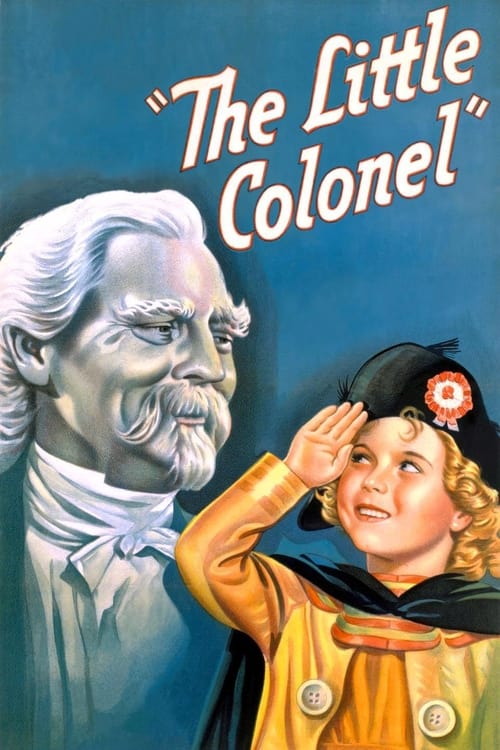
The Little Colonel
1935
No user ratings available yet
Representation score: 0.8 out of 10
Representation Score
Limited
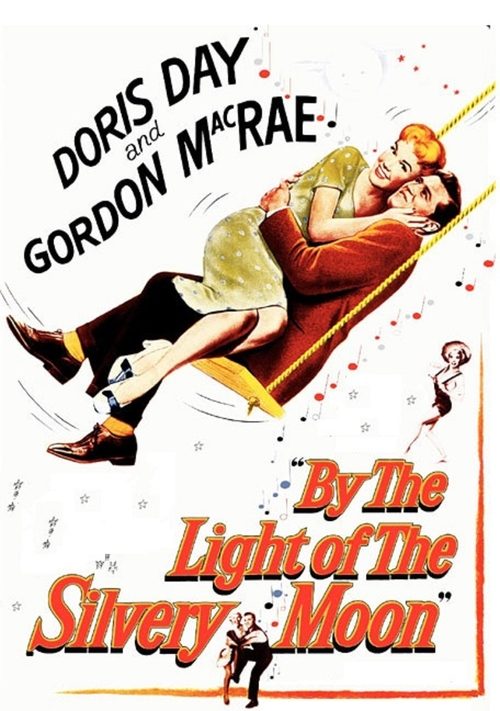
1953
NRDirector
David Butler
Runtime
101 minutes
Average Rating
No ratings yetNew Showbiz Analysis
By the Light of the Silvery Moon is a quintessential product of the mid-century studio era. It functions as an escapist musical comedy that reinforces existing social hierarchies and traditional American values rather than challenging them. The film relies on standardized character archetypes and a homogeneous cast, creating a narrative that prioritizes domestic stability and conventional romantic paradigms over diverse perspectives. Ultimately, the work upholds the social norms of 1953, providing a polished, idealized version of community life that lacks the intentionality required to disrupt period-specific clichés.
Category Breakdown
The film strictly follows conventions that assume everyone is straight or cisgender. The plot focuses on a traditional romantic relationship without representing non-conventional gender identities or critiquing traditional courtship.
Characters follow traditional 1950s gender roles. Women participate in comedic misunderstandings but largely adhere to established social roles without challenging masculine leadership or domesticity.
The cast is predominantly homogeneous, reflecting the studio system of 1953. The small-town setting is portrayed through Anglo-Saxon social norms with no significant presence of characters of color.
The narrative celebrates Western ideals, patriotism, and the sanctity of the nuclear family. It promotes community cohesion and conventional social order without offering any systemic critique.
There are no prominent depictions of physical or neurodivergent characters. The score reflects a neutral baseline due to the absence of specific evidence regarding disability.
Present on Screen
Limited or Absent
Official Synopsis
Marjorie Winfield's engagement to Bill Sherman, who has just arrived home from fighting in World War I, serves as the backdrop for the trials and tribulations of her family.
1935
1944
1951
1954
1946
1954
1943

1962
No reviews yet. Be the first to share your thoughts on this movie!
Use the rating form above to leave a star rating and optional review.