Expensive Husbands
1937
No user ratings available yet
Representation score: 0.8 out of 10
Representation Score
Limited
1927
PassedDirector
Howard Hawks
Runtime
76 minutes
Average Rating
No ratings yetNew Showbiz Analysis
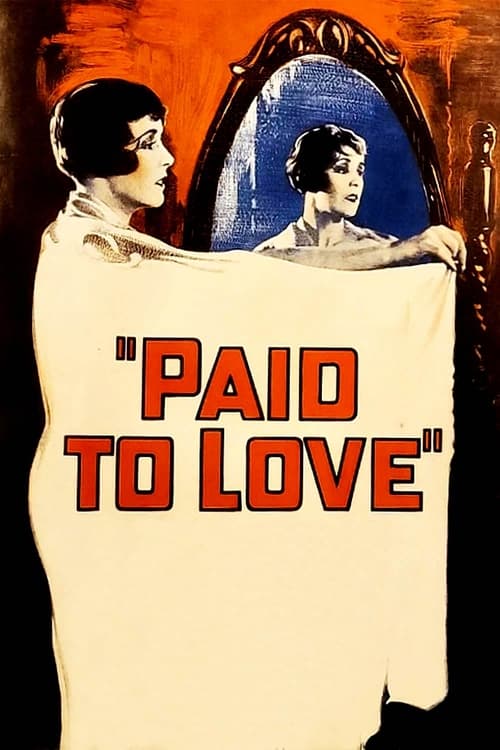
Paid to Love is a product of its time, lacking diverse representation and focusing on traditional romantic clichés. It adheres closely to the homogeneous social and racial structures typical of early 20th-century American cinema. While the film lacks diversity in terms of race, disability, and LGBTQ+ identities, it offers some subversion of gendered social expectations. Colleen Moore's character brings a modern energy that contrasts with traditional Victorian-era views of femininity. Ultimately, the film emphasizes Western institutions and transactional marriages, reflecting the conventions of 1927 cinema that prioritize traditional romantic outcomes over broader social critiques.
Category Breakdown
The film does not depict any non-straight relationships or LGBTQ+ identities. The romantic storyline focuses solely on a traditional heterosexual couple.
Colleen Moore's character challenges Victorian-era views of femininity with a modern attitude. The film explores women navigating economic systems dominated by men, yet it does not fully break down gender hierarchies.
The cast and setting are predominantly white, with no significant racial diversity. There are no characters from diverse racial backgrounds who play key roles in the story.
The plot shows how economic pressures can turn relationships into commodities. However, the ending aligns with traditional romantic outcomes without providing a deeper critique of societal structures.
There are no characters with visible or invisible disabilities. None of the characters have storylines centered around physical or cognitive differences.
Present on Screen
Limited or Absent
Official Synopsis
An American banker goes to a small Balkan country looking to invest his bank's money and shore up the country's weak economy in order to maximize the return on their investment. Towards that end he befriends the country's king and they come up with a scheme to get the Crown Prince married, a prospect not particularly appealing to the Crown Prince--until he sees the beautiful cabaret dancer the pair has picked for him to marry.
1937
1938

1937
1938
1935
1934
1933
1928
No reviews yet. Be the first to share your thoughts on this movie!
Use the rating form above to leave a star rating and optional review.