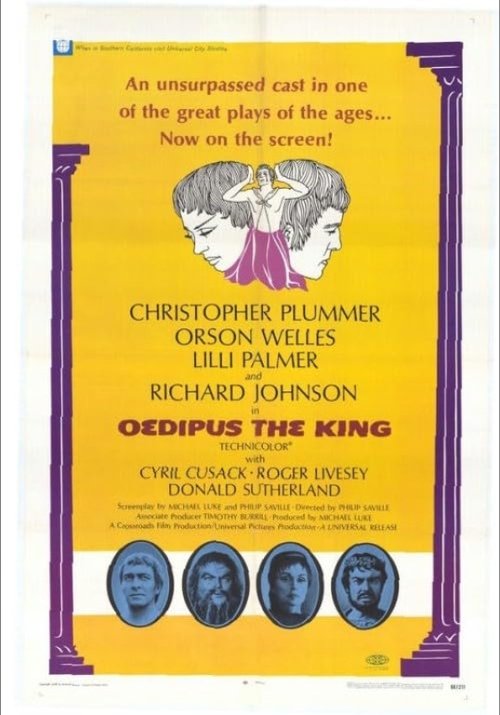
Oedipus the King
1968
No user ratings available yet
Representation score: 2.4 out of 10
Representation Score
Limited
1967
Not RatedDirector
Pier Paolo Pasolini
Runtime
105 minutes
Average Rating
No ratings yetNew Showbiz Analysis
Pasolini’s adaptation is a stylized, postmodern deconstruction of Sophoclean tragedy. It emphasizes a surrealist aesthetic over historical accuracy, focusing on the intersection of the sacred and the profane. The film lacks diversity in terms of modern identity representation, adhering to traditional casting and gendered power structures. However, it excels intellectually by challenging moral certainties. By framing the protagonist's downfall as a cosmic inevitability rather than individual failing, it offers a sophisticated, existentialist perspective on human ability to act.
Category Breakdown
The film sticks closely to mythic archetypes and does not depict characters with diverse gender identities. The central conflict revolves around violations of family and marriage rather than critiques of sexual orientation.
Gender roles are strongly defined within traditional dramatic structures. Female characters are primarily tied to the tragic arc of familial violation, carrying significant emotional weight.
Casting follows European-centric archetypes typical of mid-century classical adaptations. The production design maintains a homogeneous visual style consistent with traditional Greco-Roman tragedy.
Pasolini uses mythic fatalism to question absolute morality. The tension between human intellect and divine authority creates a complex, existentialist view of the human condition.
The film does not feature characters with visible or invisible disabilities as central narrative drivers.
Present on Screen
Limited or Absent
Official Synopsis
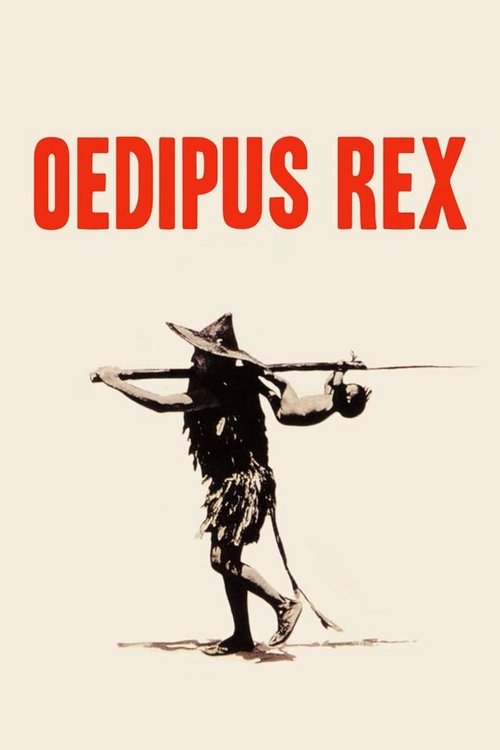
In pre-war Italy, a young couple have a baby boy. The father, however, is jealous of his son - and the scene moves to antiquity, where the baby is taken into the desert to be killed. He is rescued, given the name Oedipus, and brought up by the King and Queen of Corinth as their son. One day an oracle informs Oedipus that he is destined to kill his father and marry his mother. Horrified, he flees Corinth and his supposed parents - only to get into a fight and kill an older man on the road…
1968

1969
1957

1969
1963
1993
1961

1990
No reviews yet. Be the first to share your thoughts on this movie!
Use the rating form above to leave a star rating and optional review.