
Theresa: The Body of Christ
2007
No user ratings available yet
Diversity score: 6.8 out of 10

1969
Director
Eriprando Visconti
Runtime
105 minutes
Average Rating
No ratings yetSynopsis
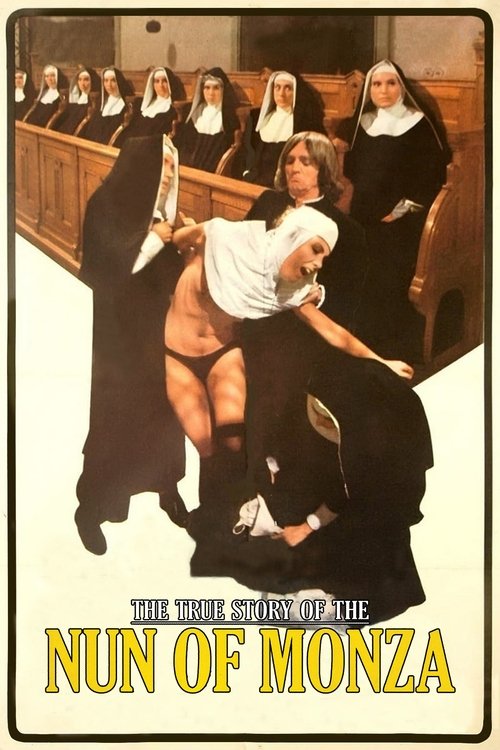
A true story taken from the archives of the archdiocese of Milan. Based on the life of Marianna De Leyva, better known as "The Nun of Monza," a 17th century nun accused of and tried by the church for breaking celibacy and plotting murder.
Overall Score
Fair
Category Breakdown
LGBTQ+ Representation
The film explores the tension between private intimacy and religious mandates. While it focuses on the violation of celibacy, it offers a subtextual critique of institutional control over human desire.
Gender Representation
Marianna De Leyva serves as a powerful protagonist who defies patriarchal structures. The narrative avoids submissive feminine tropes, instead presenting a woman who actively drives the central conflict.
Racial & Ethnic Diversity
The production reflects the historical homogeneity of 17th-century Italy. The casting and setting adhere to the social constraints of the documented period rather than seeking modern racial blending.
Religious & Cultural Diversity
The film subverts traditional Western institutions by framing the Church as an oppressive force. It prioritizes individual truth and moral relativism over rigid religious dogma.
Disability Representation
There is no evidence within the narrative regarding the portrayal of physical or neurodivergent disabilities.
Strengths
Areas for Improvement
AI Analysis
The film functions as a sophisticated critique of institutional power, using a historical framework to challenge systemic oppression. It succeeds in disrupting conventional expectations of religious and gendered obedience through its central protagonist. However, the work is limited by its historical setting, which results in low racial and ethnic diversity. The narrative focus remains strictly within the demographic realities of 17th-century Italy. Ultimately, the film's strength lies in its intellectual interrogation of authority. It moves beyond simple period drama to examine the friction between individual agency and rigid social structures.
2007
1943

2002

1956

1973
1980
1988

1969

1985

1999

2014

2015
No reviews yet. Be the first to share your thoughts on this movie!
Use the rating form above to leave a star rating and optional review.