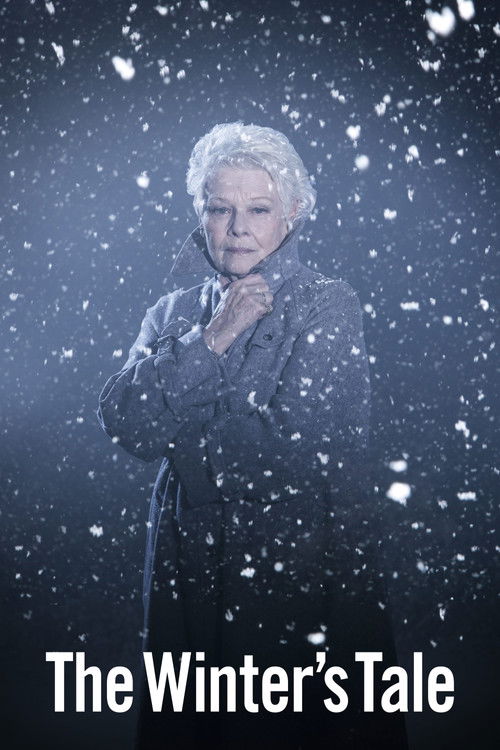
Branagh Theatre Live: The Winter's Tale
2015
No user ratings available yet
Diversity score: 2.8 out of 10
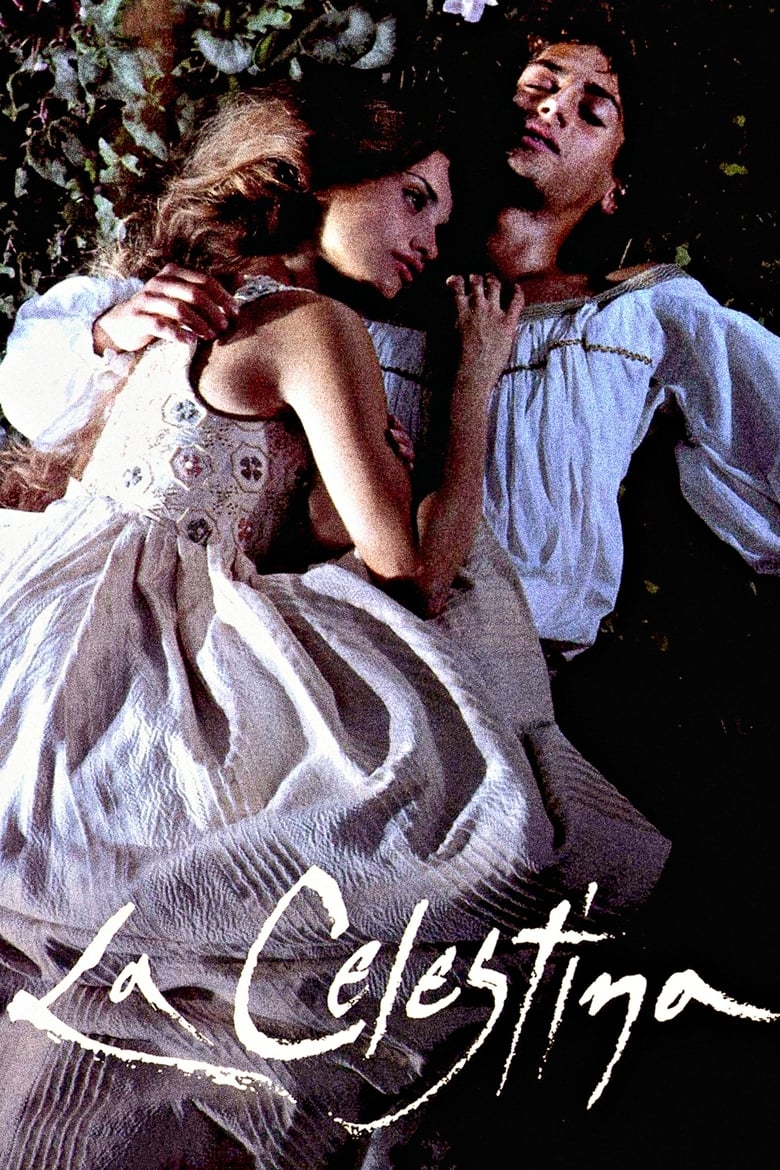
1996
Director
Gerardo Vera
Runtime
92 minutes
Average Rating
No ratings yetSynopsis
The young nobleman Calisto falls in love with Melibea, the daughter of a rich merchant. Calisto's servant Sempronio suggests they get the sorceress Celestina to further the romance. However Calisto's other servant Parmeno is suspicious of Celestina, as he knows about her tricks.
Overall Score
Limited
Category Breakdown
LGBTQ+ Representation
The film adheres to a strictly heteronormative framework. The central plot focuses on Calisto's pursuit of Melibea, offering no depictions of same-sex intimacy or non-cisnormative identities.
Gender Representation
Celestina provides a nuanced subversion of patriarchal structures through her professional autonomy and agency. However, the female characters' tragic arcs remain largely tied to male desire.
Racial & Ethnic Diversity
Casting reflects the historical demographics of Renaissance Spain. The ensemble is predominantly white/Hispanic, maintaining fidelity to the period's specific cultural and geographical milieu.
Religious & Cultural Diversity
The narrative explores moral decay and systemic corruption rather than religious cohesion. It critiques social structures through characters driven by greed and individual impulse.
Disability Representation
There are no prominent depictions of visible or invisible disabilities that serve as central narrative drivers in this production.
Strengths
Areas for Improvement
AI Analysis
Gerardo Vera’s adaptation is a traditionalist period drama that prioritizes historical fidelity over modern intersectional representation. It functions as a reconstruction of 15th-century social hierarchies rather than a tool for contemporary diversity. The film's strength lies in its character studies, particularly regarding female agency. Celestina disrupts the domestic status quo, operating as a central driver of the plot despite the era's patriarchal constraints. However, the film remains anchored in the demographic and sexual norms of its setting. It lacks LGBTQ+ representation and does not actively seek to diversify the historical record through casting.
2015
1951
1996
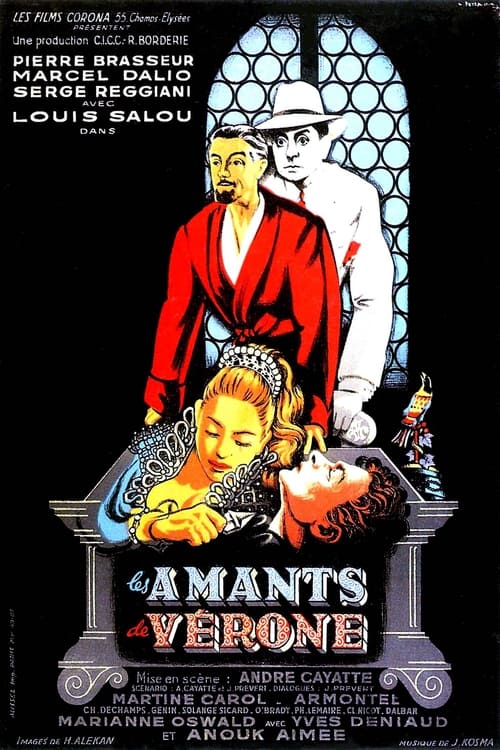
1949
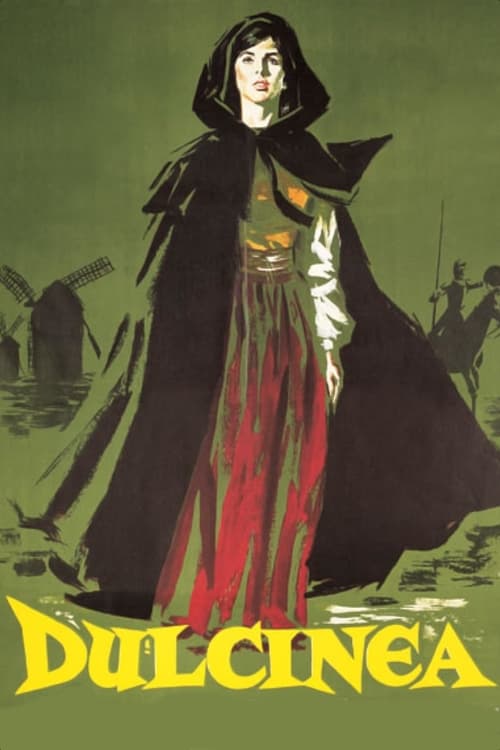
1963
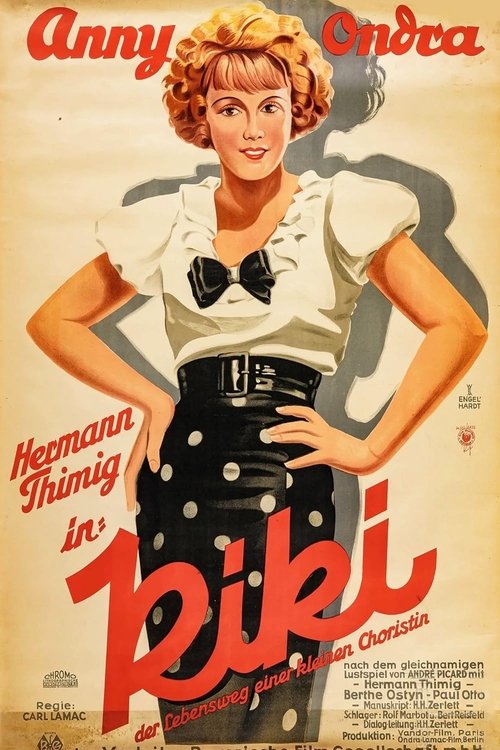
1932

1950
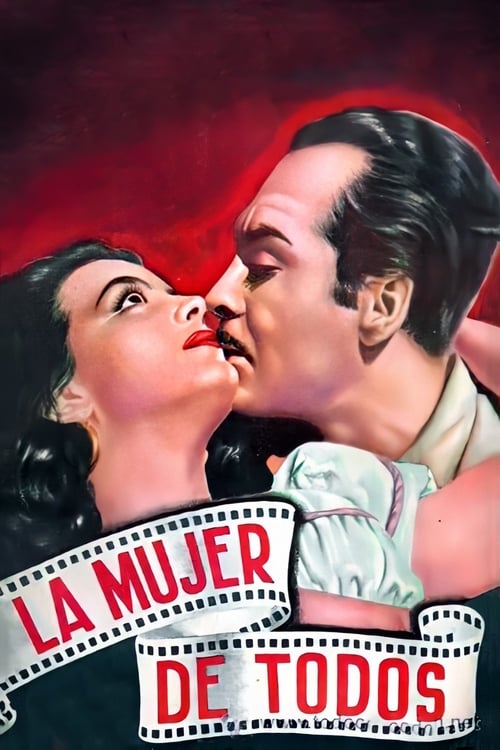
1946

1917
1965

1956
2001
No reviews yet. Be the first to share your thoughts on this movie!
Use the rating form above to leave a star rating and optional review.