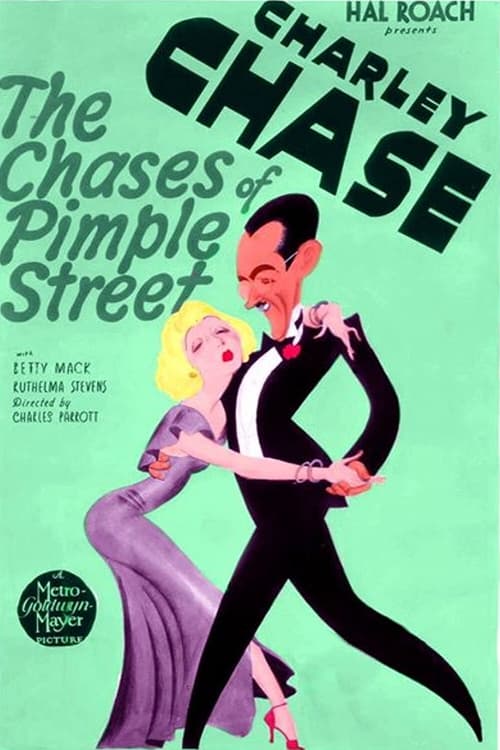
The Chases of Pimple Street
1934
No user ratings available yet
Diversity score: 2.7 out of 10

1939
ApprovedDirector
Crane Wilbur
Runtime
18 minutes
Average Rating
No ratings yetSynopsis
A temperamental director multiple times completely changes the concept during a movie's production.
Overall Score
Limited
Category Breakdown
LGBTQ+ Representation
The film offers no evidence of non-cisnormative identities. It lacks narratives that critique heteronormativity, adhering to the strict industry censorship typical of 1939.
Gender Representation
The story focuses on a temperamental director, which often reinforces traditional command hierarchies. There is no evidence of women subverting gendered leadership roles.
Racial & Ethnic Diversity
The film appears to be a localized industry satire. It lacks a non-white majority cast or the integration of diverse ethnic perspectives.
Religious & Cultural Diversity
The narrative centers on Hollywood industry norms rather than cultural critique. It lacks any evidence of secularism or the disruption of Western institutions.
Disability Representation
There is no mention of characters with visible or invisible disabilities. The film does not engage with neurodivergence or physical impairment.
Strengths
Areas for Improvement
AI Analysis
Quiet, Please (1939) is a meta-cinematic comedy that prioritizes the slapstick chaos of a film set over social exploration. The plot centers on a volatile director constantly changing movie concepts, a theme that focuses on professional temperament rather than identity. Because the film operates within the standard studio system of the late 1930s, it lacks systemic intentionality regarding progressive representation. The narrative architecture is built around industry-specific tropes rather than the disruption of social hierarchies. Ultimately, the film functions as a conventional period comedy. It lacks the intersectional depth or diverse casting required to move beyond the homogeneous structures of its era.
1934
1943
1936
1943
1936
1946
1940

1933
1933

1939
1940
1939
No reviews yet. Be the first to share your thoughts on this movie!
Use the rating form above to leave a star rating and optional review.