Footlight Parade
1933
No user ratings available yet
Representation score: 0.4 out of 10
Representation Score
Minimal
1939
ApprovedDirector
Busby Berkeley
Runtime
93 minutes
Average Rating
No ratings yetNew Showbiz Analysis
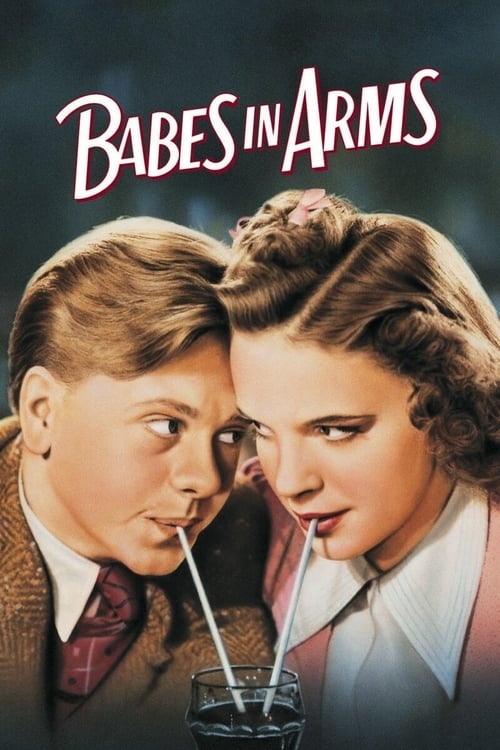
Babes in Arms is a classic example of the Golden Age studio system, prioritizing escapism over social disruption. The film relies on established romantic clichés and a homogeneous cast to drive its musical revue format. While the female leads exhibit professional ambition within the vaudeville setting, their narrative purpose remains tied to domestic competition. This reinforces traditional gender roles rather than expanding them. The production lacks complexity in cultural representation, offering a culturally uniform view of society that aligns with the socio-cultural constraints of 1939.
Category Breakdown
The film adheres to the assumption that everyone is straight or cisgender. It focuses on a romantic rivalry between women competing for a male lead, with no queer subtext or non-cisgender identities.
Female characters have professional roles in vaudeville but mainly serve romantic purposes. The story emphasizes 1930s hierarchies where male leadership is balanced by female emotional stakes.
The cast is predominantly white, reflecting the era's production standards. There is no significant racial diversity or use of non-white protagonists to challenge social norms.
The story upholds Western values of hard work and meritocracy in show business. It serves as escapist entertainment without critiquing capitalism or religious institutions.
The characters are portrayed as able-bodied performers. There is no representation of visible or invisible disabilities, nor any engagement with themes of neurodivergence or physical impairment.
Present on Screen
Limited or Absent
Official Synopsis
Mickey Moran, son of two vaudeville veterans, decides to put up his own vaudeville show with his girlfriend Patsy Barton. But child actress Rosalie wants to make a comeback and replace Patsy both professionally and as Mickey's girl.
1933
1954
1937
1940

1937
1929
1941
1946
No reviews yet. Be the first to share your thoughts on this movie!
Use the rating form above to leave a star rating and optional review.