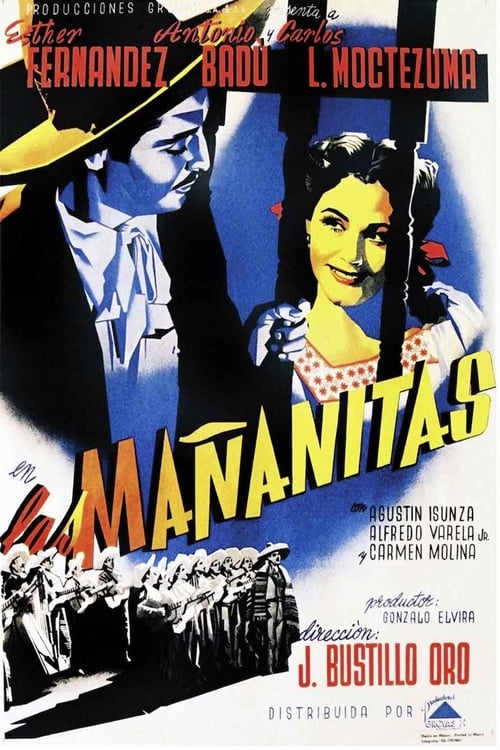
Las mañanitas
1948
No user ratings available yet
Representation score: 3.6 out of 10
Representation Score
Minimal
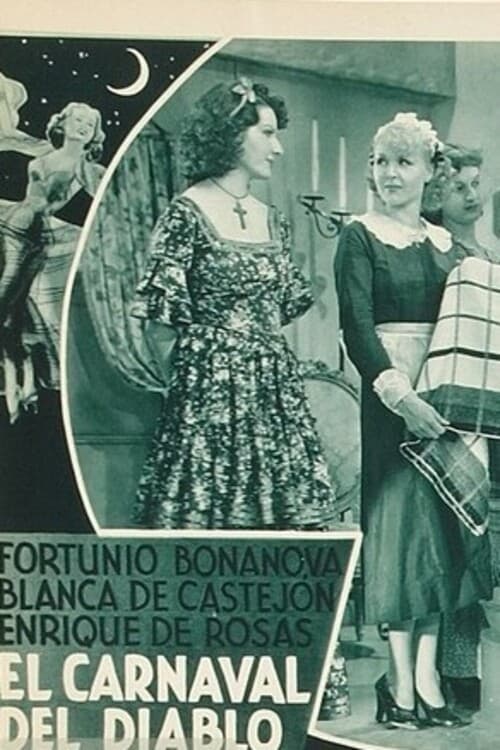
1936
ApprovedDirector
Crane Wilbur
Runtime
65 minutes
Average Rating
No ratings yetNew Showbiz Analysis
El carnaval del diablo is essentially a Spanish-language adaptation of The Devil on Horseback. It follows the standard dramatic and comedic structures of 1936 films without offering any social commentary. The film lacks specific character development or themes that challenge systemic hierarchies. Instead, it adheres to the established cinematic standards and moral frameworks of the time.
Category Breakdown
The film does not include any characters with LGBTQ+ identities. It also does not challenge the assumption that everyone is straight or cisgender.
The film likely upholds traditional gender roles and domestic expectations. It does not show women taking a leading role or challenge the idea that men should have control over the story.
The film uses Spanish dialogue to reach a wider audience but does not provide characters who reflect more than one aspect of diversity. There are no characters of color who play a significant role in the story.
The film follows the moral standards typical of 1930s cinema, emphasizing traditional social institutions without challenging any institutional norms.
There is no information about the portrayal of physical disabilities or neurodivergence in the film.
Present on Screen
Limited or Absent
Official Synopsis
Spanish-language version of The Devil on Horseback (1936).
1948
1936
1960

1930
1939
1942

1940
1935
No reviews yet. Be the first to share your thoughts on this movie!
Use the rating form above to leave a star rating and optional review.