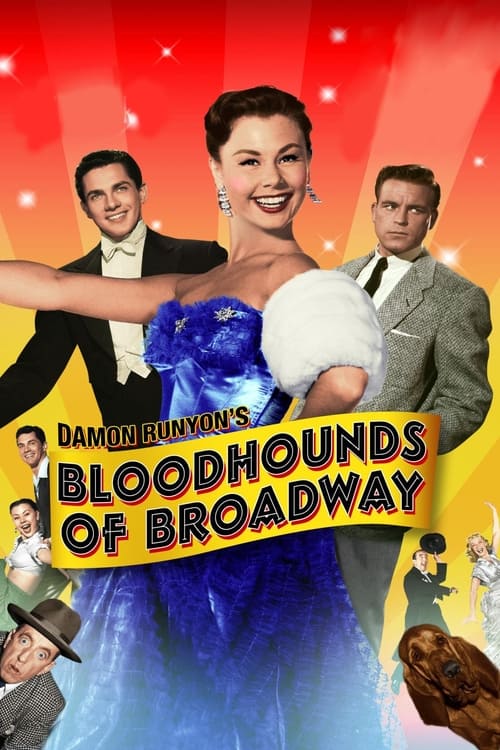
Bloodhounds of Broadway
1952
No user ratings available yet
Diversity score: 1.4 out of 10
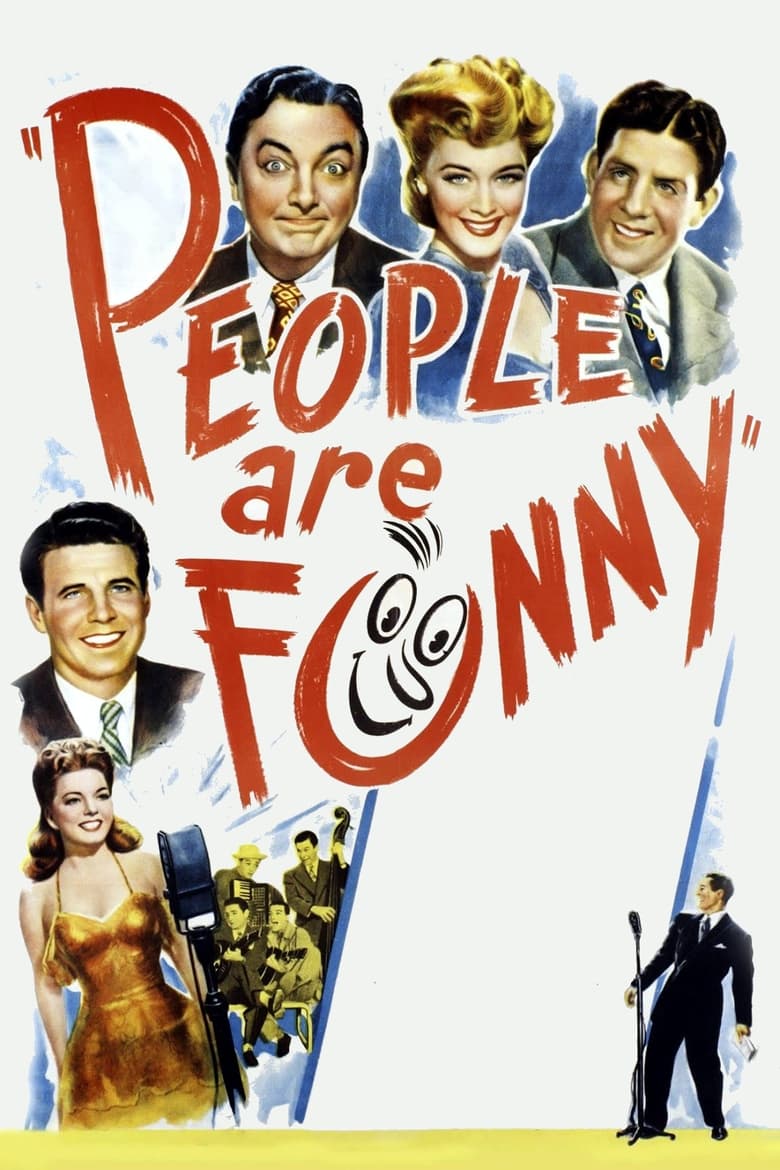
1946
NRDirector
Sam White
Runtime
93 minutes
Average Rating
No ratings yetSynopsis
A comedy based on NBC's "People Are Funny" radio (and later television) program with Art Linkletter with a fictional story of how the program came to be on a national network from its humble beginning at a Nevada radio station. Jack Haley is a producer with only half-rights to the program while Ozzie Nelson and Helen Walker are the radio writers and supply the romance. Rudy Vallee, always able to burlesque himself intentional and, quite often, unintentional, is the owner of the sought-after sponsoring company. Frances Langford, as herself, sings "I'm in the Mood for Love" while the Vagabonds quartet (billed 12th and last) chimes in on "Angeline" and "The Old Square Dance is Back Again."
Overall Score
Minimal
Category Breakdown
LGBTQ+ Representation
The film follows conventional mid-century romantic tropes. It focuses on the heterosexual pairing of radio writers Ozzie Nelson and Helen Walker, offering no non-cisnormative identities.
Gender Representation
Women like Helen Walker and Frances Langford occupy central roles. However, their agency remains tied to traditional romantic or performative functions within a standard mid-century framework.
Racial & Ethnic Diversity
The production reflects the homogeneous casting standards of 1946. There is no indication of a non-white majority cast or any attempt to challenge historical norms.
Religious & Cultural Diversity
The narrative celebrates the rise of American media institutions. It promotes a traditional, meritocratic view of professional success without critiquing Western or religious structures.
Disability Representation
There is no evidence of characters with visible or invisible disabilities. No such identities are integrated into the narrative or used to drive the plot.
Strengths
Areas for Improvement
AI Analysis
People Are Funny (1946) functions as a standard musical comedy that reinforces the social and narrative conventions of its era. The story celebrates the professional ascent of a radio program, utilizing a traditional meritocratic structure that aligns with mid-century commercial entertainment. The film lacks intersectional complexity, relying on established tropes of romantic stability and professional achievement. It adheres to the homogeneous casting and gender roles typical of the 1940s studio system. Ultimately, the work serves as a celebratory look at the American entertainment industry rather than a tool for social subversion or diverse representation.
1952
1939
1946
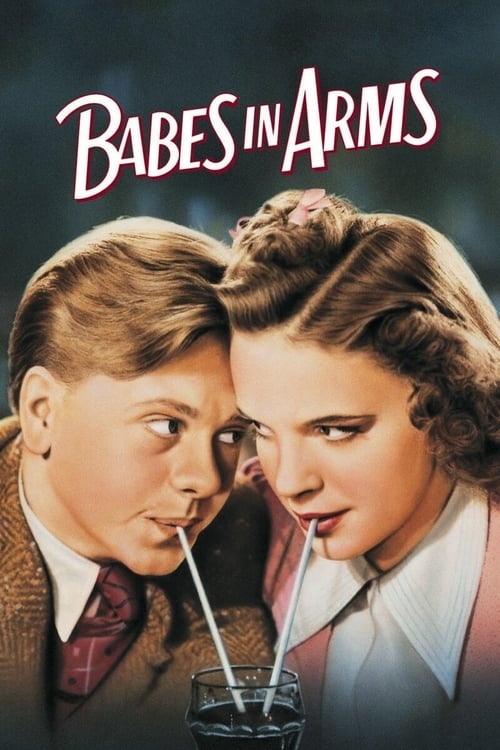
1939
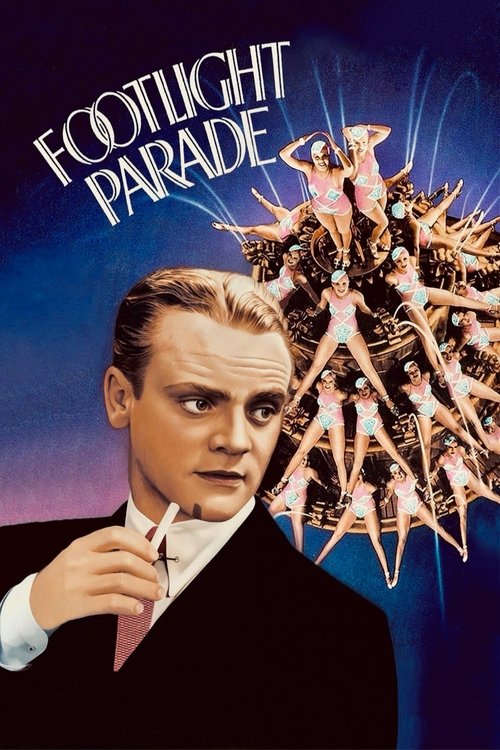
1933
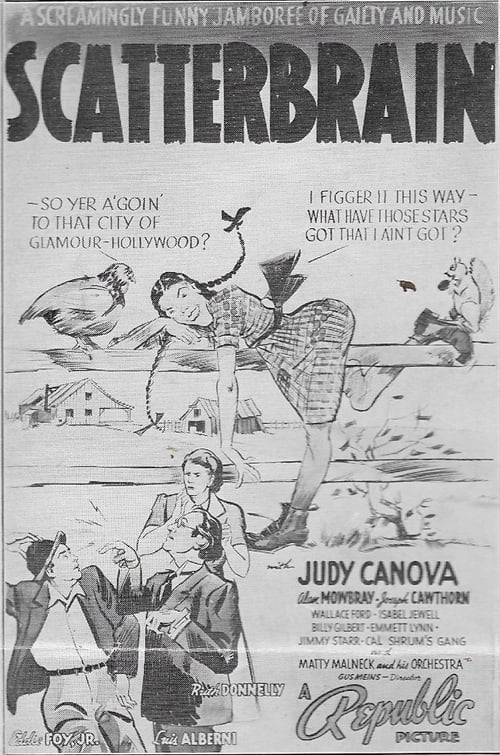
1940
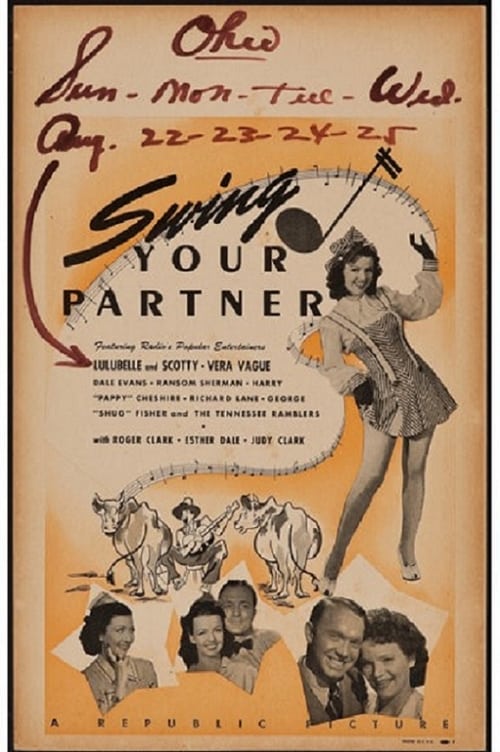
1943
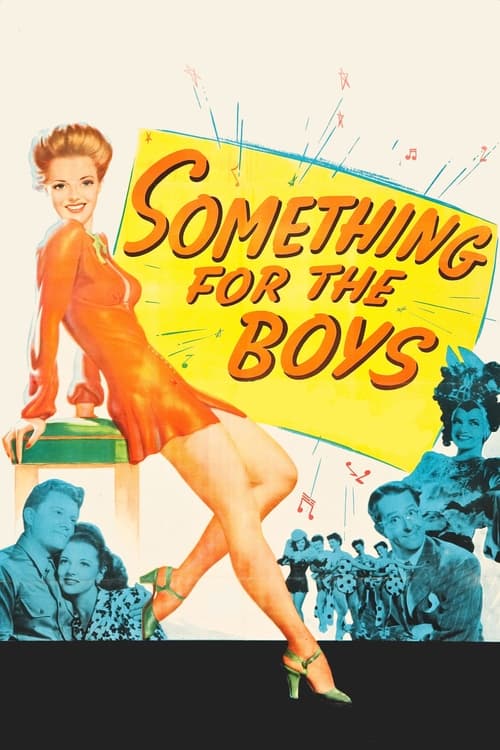
1944
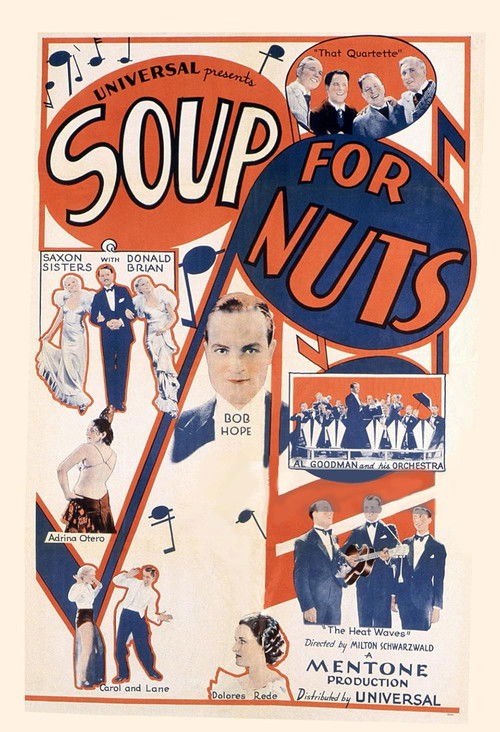
1934
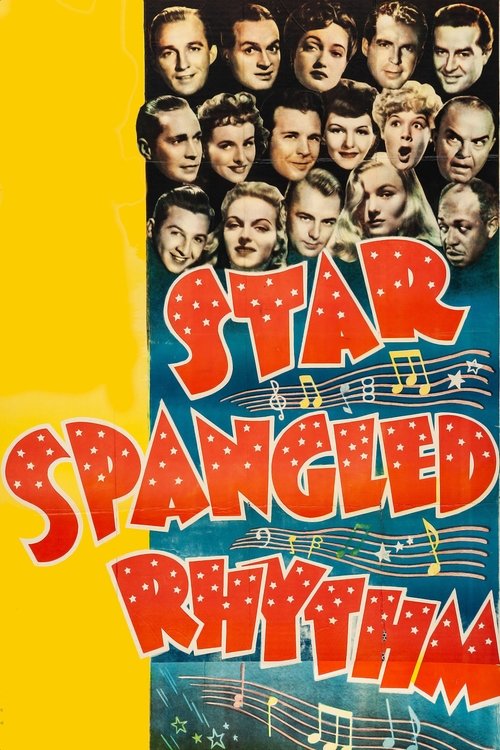
1942
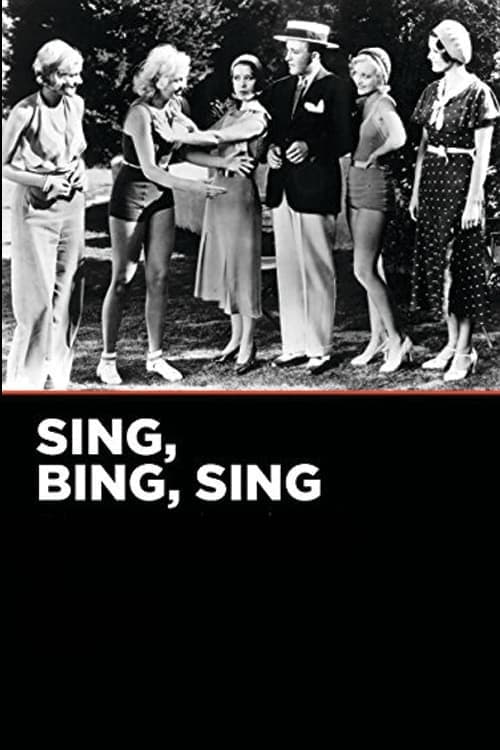
1933
1939
No reviews yet. Be the first to share your thoughts on this movie!
Use the rating form above to leave a star rating and optional review.