Folies Bergère de Paris
1935
No user ratings available yet
Representation score: 1.4 out of 10
Representation Score
Minimal
1940
ApprovedDirector
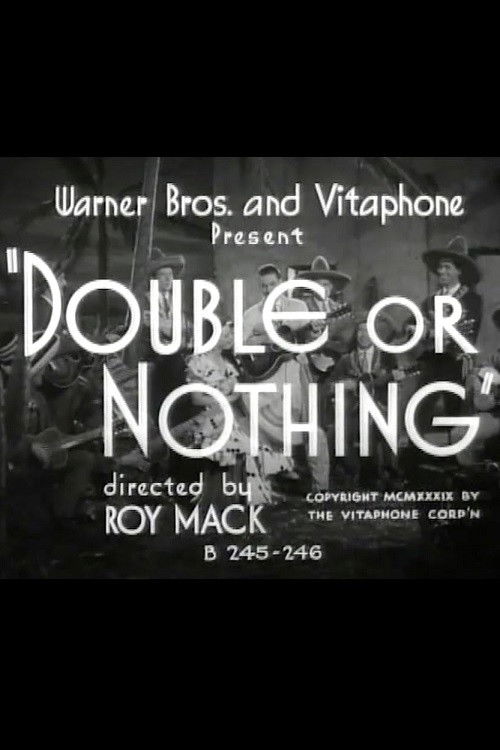
Roy Mack
Runtime
18 minutes
Average Rating
No ratings yetNew Showbiz Analysis
Double or Nothing is a product of its time, functioning as a typical musical comedy short. The narrative relies on slapstick humor and cinematic imagination rather than social commentary or deep character studies. The film adheres to the demographic and social norms of 1940s studio production. It does not intentionally address overlapping aspects of diversity or disrupt established social hierarchies. Ultimately, the work serves as a period-specific entertainment piece that prioritizes traditional comedic formulas over representative depth.
Category Breakdown
The film does not include any characters with non-binary gender identities. It follows traditional comedic styles common in the 1940s.
The story focuses on a male stunt double, and there are no female characters driving the plot or challenging traditional gender roles.
The casting likely reflects the homogeneous demographics typical of the early 1940s studio system. There are no significant roles for non-white actors.
The film serves as light entertainment that reinforces Western comedic structures. It does not critique religious or social institutions.
Physical injuries are used for slapstick humor rather than meaningful representation. The protagonist’s head injury is used for laughs rather than character development.
Present on Screen
Limited or Absent
Official Synopsis
In this Broadway Brevities short, a stunt double is hit on the head and imagines himself in a series of movie scenes with doubles for various stars.
1935
1941
1931
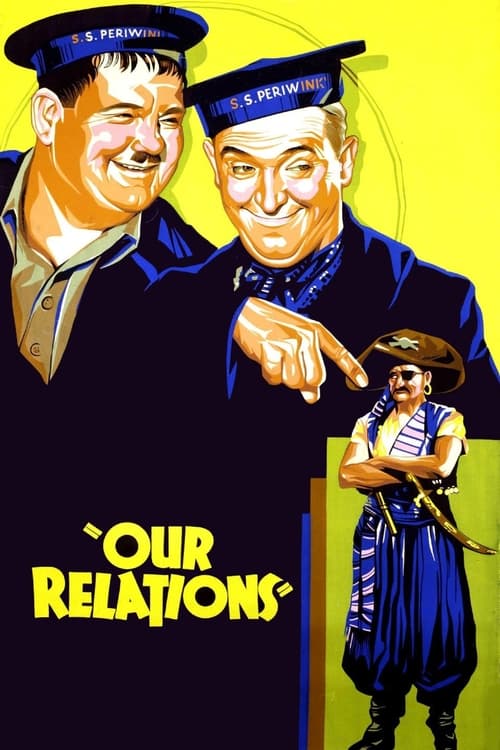
1936
1934
1932
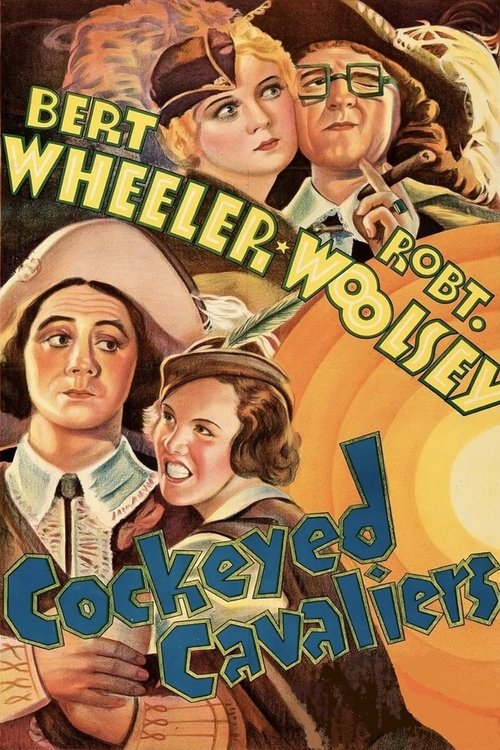
1934
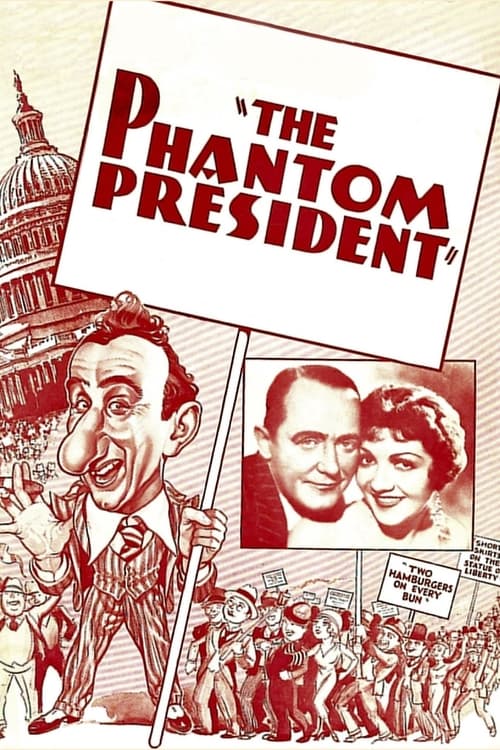
1932
No reviews yet. Be the first to share your thoughts on this movie!
Use the rating form above to leave a star rating and optional review.