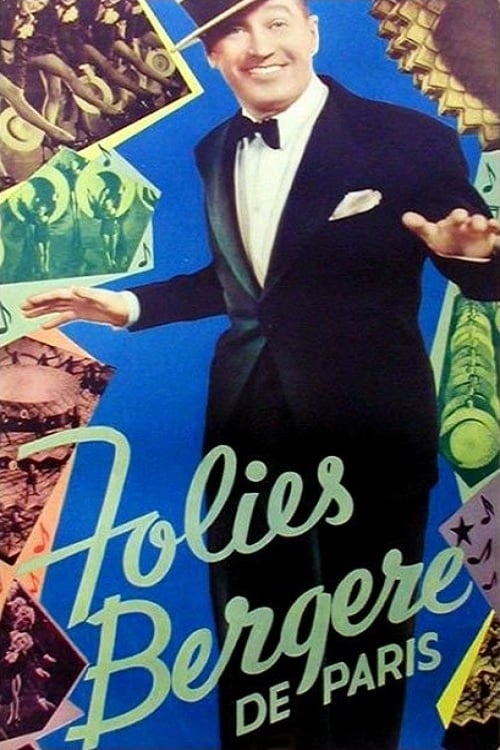
Folies Bergère de Paris
1935
No user ratings available yet
Representation score: 1.4 out of 10
Representation Score
Minimal
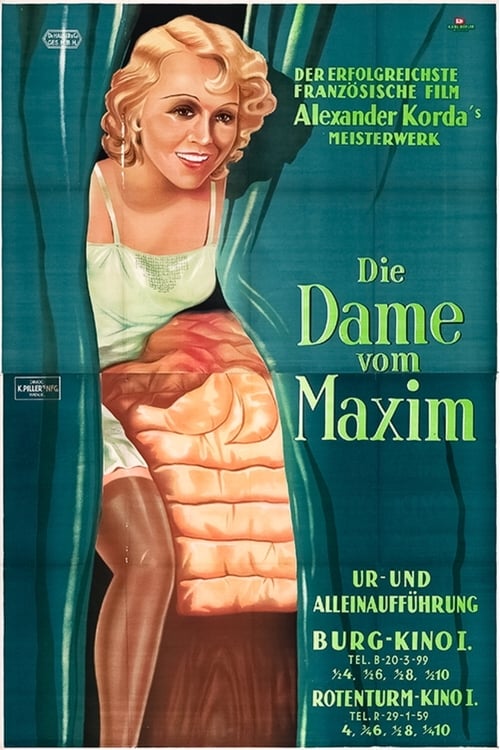
1933
PassedDirector
Alexander Korda
Runtime
79 minutes
Average Rating
No ratings yetNew Showbiz Analysis
The film operates as a typical example of pre-Code musical comedy, emphasizing escapism over social critique. While the female lead propels the story forward, the narrative stays rooted in the conventions of its time. Representation in the film is largely uniform, centered on a white, European social setting. The movie does not delve into multi-layered issues, presenting a conventional view of Parisian society without questioning existing power structures. Overall, the production adheres to the traditional hierarchies of 1933, offering a polished yet narrow perspective on the social strata of the period.
Category Breakdown
The film does not include any representation of LGBTQ+ identities or same-sex intimacy. It follows traditional 1930s courtship norms.
A central female character drives the plot through social maneuvering and survival instincts. However, her role remains tied to romantic resolution and traditional patriarchal structures.
The cast is primarily composed of white and European actors, reflecting the production standards of the era. There are no characters from diverse racial or ethnic backgrounds.
The story highlights class distinctions between the middle class and the Parisian elite. It avoids religious or political themes, focusing on light-hearted social escapism.
There are no depictions of visible or invisible disabilities. None of the characters have narratives shaped by physical impairments or neurodivergence.
Present on Screen
Limited or Absent
Official Synopsis
A Doctor tries to pass off a singer as his wife in Paris in 1904.
1935

1933

1937

1937

1930
1929
1934
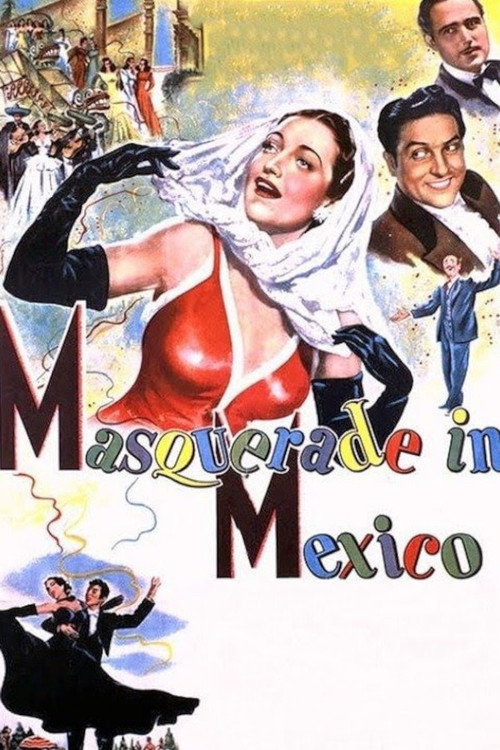
1945
No reviews yet. Be the first to share your thoughts on this movie!
Use the rating form above to leave a star rating and optional review.