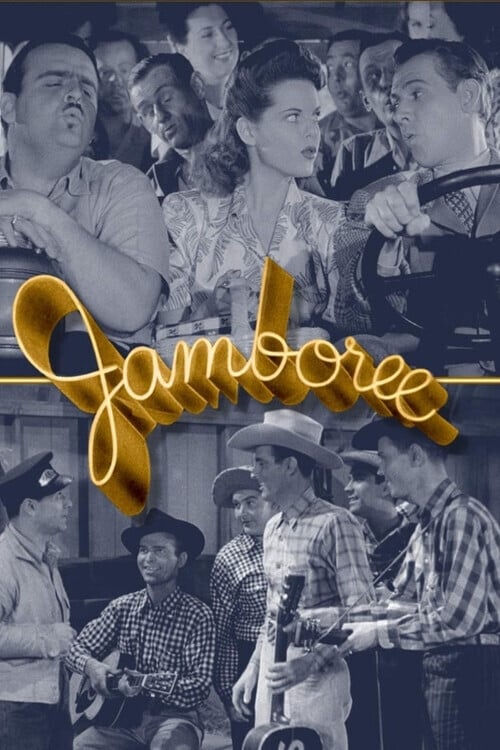
Jamboree
1944
No user ratings available yet
Representation score: 3.1 out of 10
Representation Score
Minimal
1936
PassedDirector
Reginald Le Borg
Runtime
11 minutes
Average Rating
No ratings yetNew Showbiz Analysis
Swing Banditry functions as a conventional musical comedy typical of the 1930s. The narrative focuses on musicians pursuing success within the radio industry, a premise that reinforces the mainstream social hierarchies of the era. The film lacks subversive elements or multi-layered character development. It appears to follow standard production models that prioritize traditional social structures over diverse representation. Ultimately, the film reflects the narrow view of professional ambition within the entertainment industry prevalent during its time.
Category Breakdown
The film does not include any characters with LGBTQ+ identities or narratives. It seems to adhere to the strict social norms of the 1930s regarding gender and sexuality.
Female roles in this era often serve as decorative elements or romantic interests. There is no indication of women playing a significant role in driving the plot through intellectual or structural means.
While swing music is rooted in African American innovation, the film's casting likely follows the era's tendency toward including someone from a minority group without giving them real depth or homogeneous, segregated casting.
The story centers on professional achievement and the American Dream, aligning with the traditional capitalist and meritocratic values of 1930s Western cinema.
There is no indication of characters with visible or invisible disabilities. No such characters appear to be used as narrative devices.
Present on Screen
Limited or Absent
Official Synopsis
A group of musicians is determined to appear on a radio program.
1944
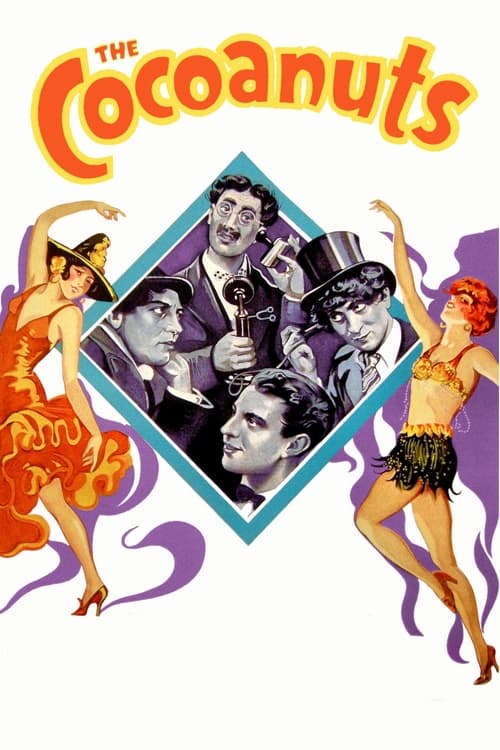
1929
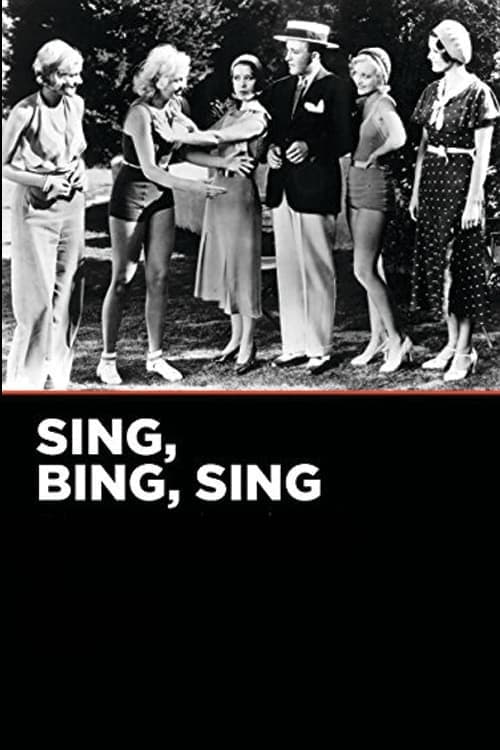
1933
1933
1935

1931

1937
1937
No reviews yet. Be the first to share your thoughts on this movie!
Use the rating form above to leave a star rating and optional review.