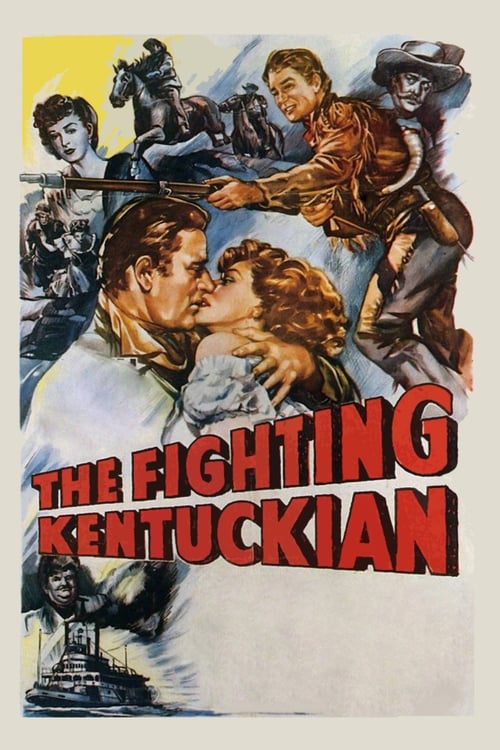
The Fighting Kentuckian
1949
No user ratings available yet
Representation score: 0.6 out of 10
Representation Score
Minimal
1940
NRDirector
George B. Seitz
Runtime
97 minutes
Average Rating
No ratings yetNew Showbiz Analysis
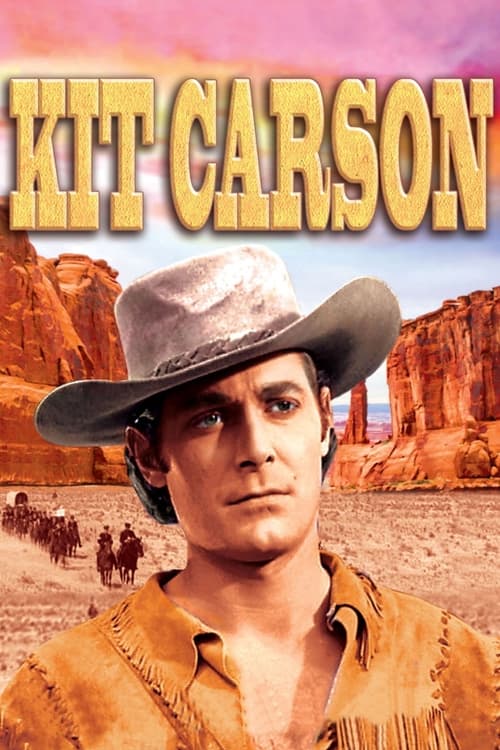
Kit Carson (1940) exemplifies mid-century Western clichés, emphasizing masculine leadership and the myth of colonial expansion. The film upholds traditional gender roles and a narrow view of American history, centered around white heroism and settler-colonial perspectives. The narrative lacks any representation of LGBTQ+ or disability issues, operating within the social and racial hierarchies prevalent in 1940s Hollywood.
Category Breakdown
The film follows strict assumptions that everyone is straight and cisgender, with no representation of LGBTQ+ identities or same-sex relationships.
Gender roles adhere to traditional hierarchies, where male characters are portrayed as leaders and decision-makers, while female characters are confined to supporting or romantic roles.
White actors are used in makeup to play Native American roles, reinforcing a colonialist perspective that centers white frontiersmen over indigenous populations.
The story upholds mid-19th century expansionism and frontier justice, emphasizing traditional Western values and the legitimacy of settler-driven territorial defense.
Characters are defined by their physical strength and survival skills, with no notable depictions of neurodivergence or physical disabilities.
Present on Screen
Limited or Absent
Official Synopsis
Frontiersman Kit Carson fights off Indian attacks on the trail to California.
1949
1930
1923
1941
1916
1940
1938
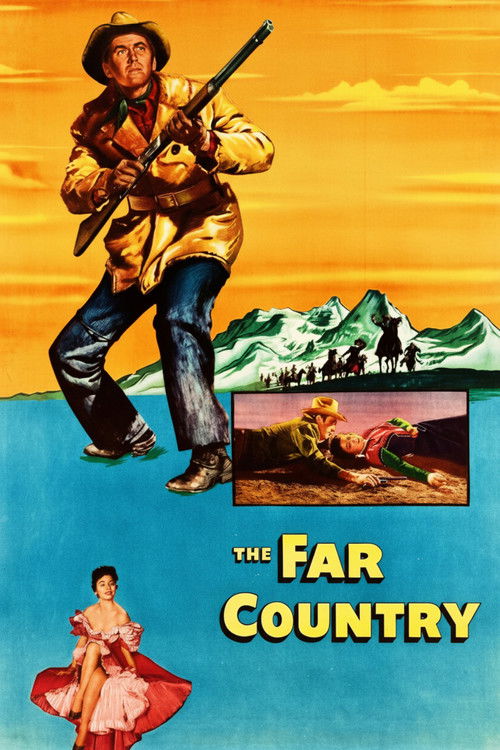
1954
No reviews yet. Be the first to share your thoughts on this movie!
Use the rating form above to leave a star rating and optional review.