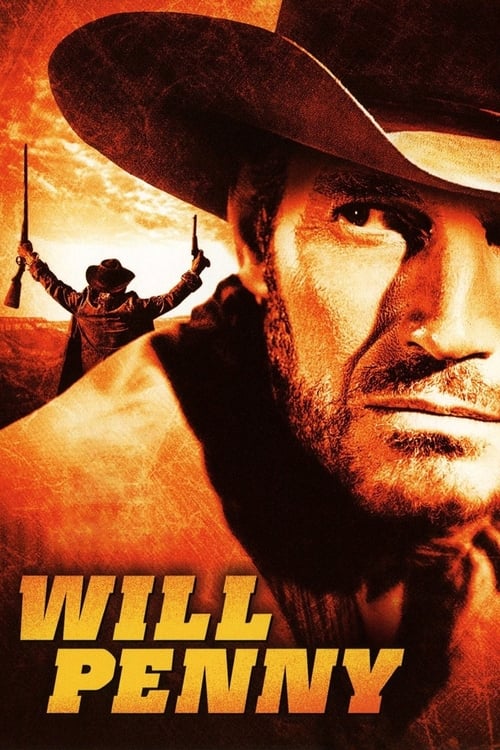
Will Penny
1967
No user ratings available yet
Diversity score: 2.2 out of 10

1973
PGDirector
Richard C. Sarafian
Runtime
123 minutes
Average Rating
No ratings yetSynopsis
On the run from her violent husband, Catherine Crocker witnesses a train robbery and is taken prisoner by a frontier outlaw gang, led by a bandit who’s hiding a secret of his own.
Overall Score
Limited
Category Breakdown
LGBTQ+ Representation
The film follows a traditional heteronormative structure. There is no presence of non-cisnormative identities or same-sex intimacy, focusing instead on a conventional male-female romance.
Gender Representation
Catherine Crocker offers a moderate subversion of the damsel in distress trope. While she starts in a vulnerable position, she eventually becomes an active participant in the outlaw dynamic.
Racial & Ethnic Diversity
The cast is predominantly white and Anglo-Saxon, reflecting the historical constraints of 1970s Westerns. There is a lack of characters of color with meaningful narrative agency.
Religious & Cultural Diversity
The story centers on theft and con artistry through the lens of personal survival. It prioritizes the outlaw archetype without deconstructing frontier morality or systemic institutions.
Disability Representation
No visible or invisible disabilities are integrated into the character arcs. Disability is not used as a meaningful narrative element in this production.
Strengths
Areas for Improvement
AI Analysis
The film operates as a standard genre-driven heist Western. It relies heavily on established archetypes, particularly the rogue protagonist and the romanticized outlaw, which limits its social complexity. While the female lead gains agency as the plot progresses, the film remains tethered to the demographic and social hierarchies of its era. It lacks intersectional depth or any significant disruption of traditional cinematic norms. Ultimately, the narrative focuses on individualistic survival rather than systemic critique, resulting in a production that adheres to the conventional standards of 1970s Western cinema.
1967
1948
1955
1949
1944
1956
1967
1957
No reviews yet. Be the first to share your thoughts on this movie!
Use the rating form above to leave a star rating and optional review.