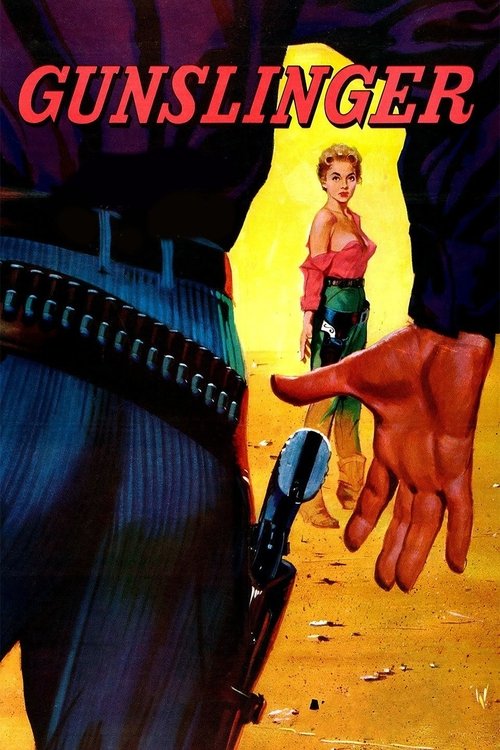
Gunslinger
1956
No user ratings available yet
Representation score: 1.8 out of 10
Representation Score
Minimal
1956
ApprovedDirector
Lesley Selander
Runtime
82 minutes
Average Rating
No ratings yetNew Showbiz Analysis
The Broken Star operates as a standard mid-century Western, adhering closely to the genre conventions of its time. While it moves beyond a purely Anglo-centric perspective by incorporating Mexican and Indigenous elements, it does not use these inclusions to challenge existing social hierarchies. The film relies on established archetypes, particularly regarding gender and morality. The protagonist's journey is defined by traditional masculine struggles, and the cultural friction presented lacks the complexity needed for a more progressive reading. Ultimately, the film serves as a baseline example of 1950s storytelling. It provides a modest level of ethnic variety but remains firmly rooted in the traditional frameworks of the era.
Category Breakdown
The film does not include any LGBTQ+ characters or narratives. Romantic elements align strictly with the era's traditional heterosexual relationships.
Character dynamics reinforce traditional masculine roles of the protector and the wronged man. The narrative follows conventional mid-century gender hierarchies without challenging power dynamics.
The story includes Mexican and Native American elements through a murder investigation and refuge. However, these depictions remain constrained by the cinematic clichés of the 1950s.
The film explores friction between institutional law and individual morality. It functions within the 'wronged man' cliché rather than critiquing Western hegemony or systemic structures.
There is no evidence of characters with visible or invisible disabilities being integrated into the narrative or portrayed with ability to act.
Present on Screen
Limited or Absent
Official Synopsis
A deputy sheriff defies local ranchers to investigate a Mexican's murder.
1956
1967
1932
1956

1948

1959
1948
1940
No reviews yet. Be the first to share your thoughts on this movie!
Use the rating form above to leave a star rating and optional review.