Blue Note Records: Beyond the Notes
2019
No user ratings available yet
Representation score: 8.4 out of 10
Representation Score
Fair
1997
Not RatedDirector
Julian Benedikt, Andreas Morell
Runtime
113 minutes
Average Rating
No ratings yetNew Showbiz Analysis
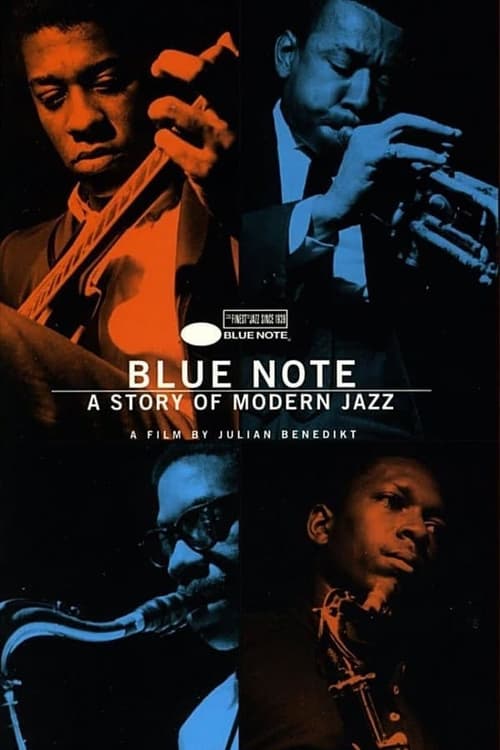
Blue Note - A Story of Modern Jazz is a powerful exploration of the intersection between Jewish immigrant entrepreneurship and Black American musical genius. It successfully highlights the profound influence of Black creative intellect on global culture by centering legendary artists. However, the film is limited by the historical context of its subject matter. The narrative remains heavily male-centric and lacks visibility for LGBTQ+ identities or gender diversity. Ultimately, the documentary excels as a cultural document of racial and ethnic synergy, even while it overlooks other dimensions of identity.
Category Breakdown
The film does not include any explicit depictions of LGBTQ+ narratives or non-straight identities within the musical history it presents.
The narrative centers on the male-dominated history of the mid-20th-century jazz industry. Both the founders and the primary musicians are men, reflecting the traditional hierarchies of the time.
The documentary highlights the synergy between German-Jewish immigrants and Black American musicians. It centers the ability to act of Black artists like Miles Davis and John Coltrane, challenging Eurocentric musical hierarchies.
The film explores themes of displacement and the immigrant experience through the founders' journeys. It frames jazz as a genre of cultural hybridity and complex social expression.
The documentary provides no specific information regarding the depiction of physical or neurodivergent disabilities.
Present on Screen
Limited or Absent
Official Synopsis
"It must schwing!" was the motto of Alfred Lion and Francis Wolff, two German Jewish immigrants who in 1939 set up Blue Note Records, the jazz label that was home to such greats as Miles Davis, John Coltrane, Herbie Hancock, Thelonious Monk, Art Blakey, Dexter Gordon and Sonny Rollins. Blue Note, the most successful movie ever made about jazz, is a testimony to the passion and vision of these two men and certainly swings like the propulsive sounds that made their label so famous.
2019
2018
1988
1986
1985
1999
2017
2016
No reviews yet. Be the first to share your thoughts on this movie!
Use the rating form above to leave a star rating and optional review.