
Night Has a Thousand Desires
1984
No user ratings available yet
Representation score: 6.7 out of 10
Representation Score
Good
1973
Director
Jesús Franco
Runtime
87 minutes
Average Rating
No ratings yetNew Showbiz Analysis
The film is a character study of a woman caught between psychological haunting and violent compulsion. It subverts traditional gender roles by placing a female lead in a position of active, albeit destructive, ability to act. This departure from the passive female cliché adds a layer of complexity to the horror. However, the work lacks significant demographic breadth. The casting aligns with standard 1970s European cinema, offering little in the way of racial or ethnic diversity. While the film explores psychological themes, these are utilized as genre tools rather than meaningful representations of disability. Ultimately, the film's strength lies in its cultural subversion. By dismantling the sanctity of the domestic sphere and the paternal figure, it offers a provocative critique of traditional social hierarchies through a lens of moral ambiguity.
Category Breakdown
The film explores non-traditional themes but does not include specific LGBTQ+ identities in the narrative.
A strong female protagonist drives the plot's energy as the central force of mystery and violence. She disrupts the cliché of the passive victim by exercising a complex and dark ability to act.
The production adheres to standard period casting practices for European psychological dramas, showing no effort to include diverse racial or ethnic backgrounds.
The story challenges traditional family structures by portraying the paternal bond as a source of trauma. Supernatural elements are used to question objective morality and social order.
Psychological instability and hallucinations serve as key drivers for the horror elements. These portrayals act more as plot catalysts than nuanced depictions of mental health experiences.
Present on Screen
Limited or Absent
Official Synopsis
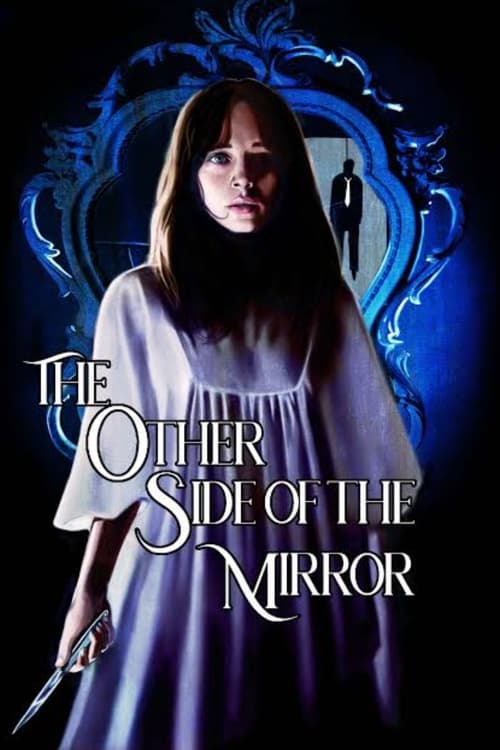
A nightclub singer is haunted by the ghost of her late father. The dead man summons her through a mirror, forcing her to commit a series of violent crimes.
1984

1966
1962
1977

1968

1975
1984
1981
No reviews yet. Be the first to share your thoughts on this movie!
Use the rating form above to leave a star rating and optional review.