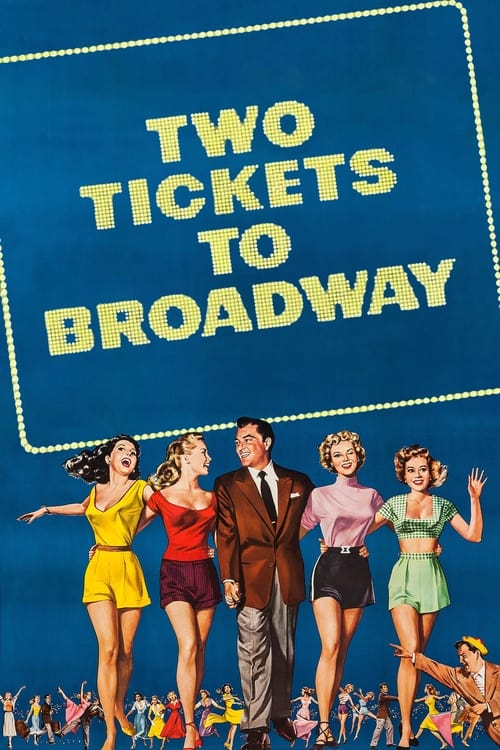
Two Tickets to Broadway
1951
No user ratings available yet
Diversity score: 1.4 out of 10
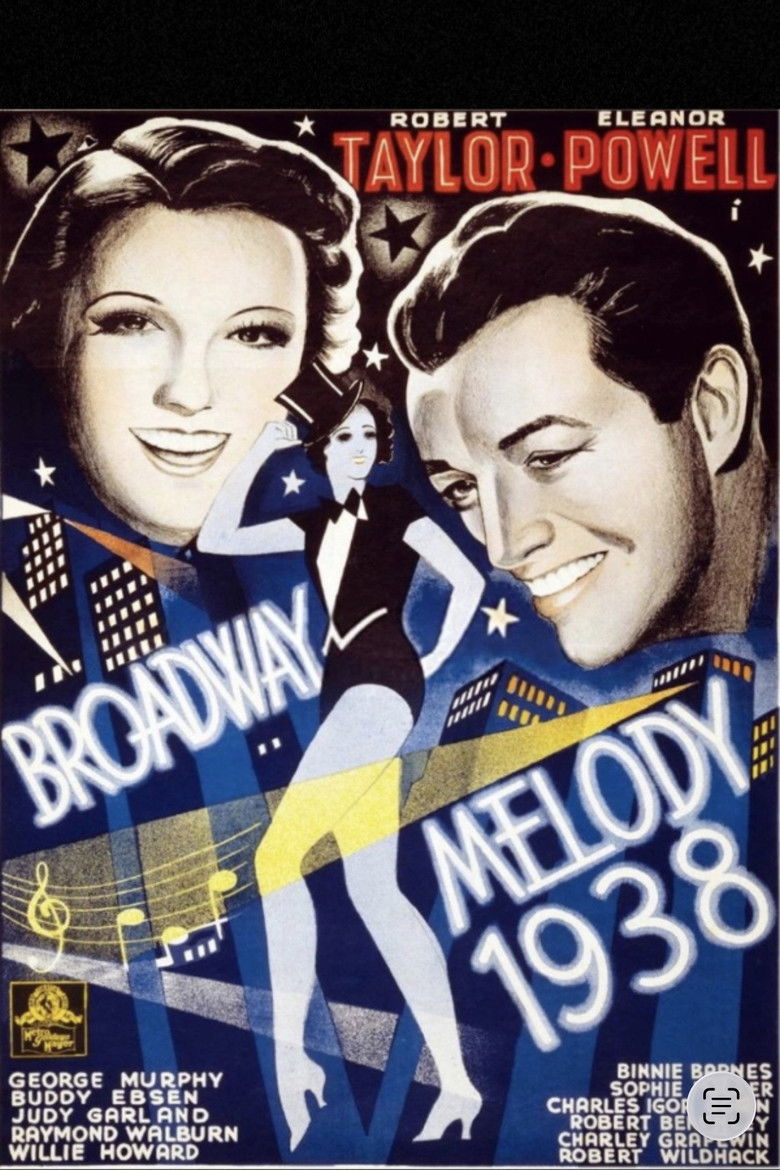
1937
NRDirector
Roy Del Ruth
Runtime
110 minutes
Average Rating
No ratings yetSynopsis
Steve Raleight wants to produce a show on Broadway. He finds a backer, Herman Whipple and a leading lady, Sally Lee. But Caroline Whipple forces Steve to use a known star, not a newcomer. Sally purchases a horse, she used to train when her parents had a farm before the depression and with to ex-vaudevillians, Sonny Ledford and Peter Trott she trains it to win a race, providing the money Steve needs for his show.
Overall Score
Limited
Category Breakdown
LGBTQ+ Representation
The film lacks LGBTQ+ characters or non-heteronormative identities. Romantic tensions are strictly confined to a traditional heterosexual triangle.
Gender Representation
Female characters show professional agency through dance and financial contributions. However, their roles remain largely tethered to male romantic interests and professional competition.
Racial & Ethnic Diversity
The cast reflects the demographic homogeneity of the 1930s studio system. The narrative focuses almost exclusively on a white, Anglo-Saxon professional class.
Religious & Cultural Diversity
The story celebrates Western capitalist achievement and meritocratic ideals. It reinforces traditional institutions like the nuclear romantic unit and professional status.
Disability Representation
There are no prominent depictions of physical or neurodivergent characters. The narrative does not engage with disability as a thematic element.
Strengths
Areas for Improvement
AI Analysis
Broadway Melody of 1938 functions as a polished artifact of the Golden Age musical, prioritizing traditional narrative tropes over social complexity. The film reinforces the established social hierarchies and professional structures of the late 1930s. While the female lead demonstrates significant agency by securing production funding through horse racing, the central conflict remains a male-driven professional rivalry. The world presented is one of demographic homogeneity, lacking intersectional breadth or diverse cultural perspectives. Ultimately, the film validates the existing economic and social order. It offers a conventional view of the Broadway ecosystem that avoids challenging the era's standard heteronormative and racial norms.
1951
1950
1936
1935
1953
1930
1935
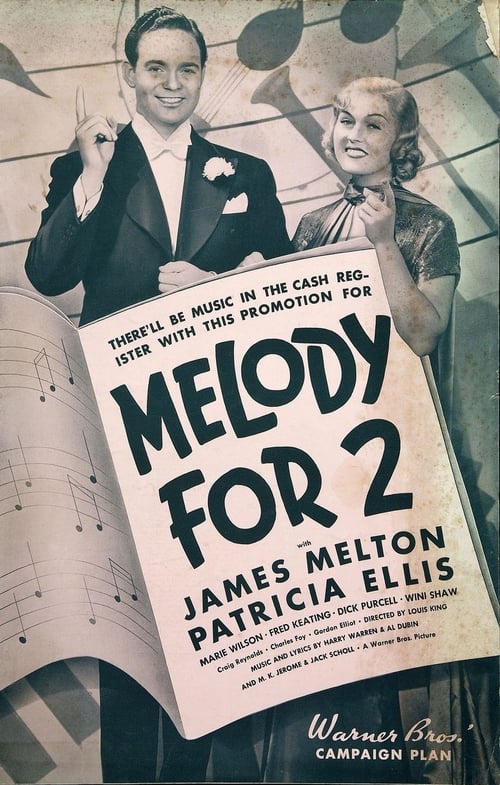
1937
1941

1948
1943

1940
No reviews yet. Be the first to share your thoughts on this movie!
Use the rating form above to leave a star rating and optional review.