Sweet Music
1935
No user ratings available yet
Diversity score: 2.3 out of 10
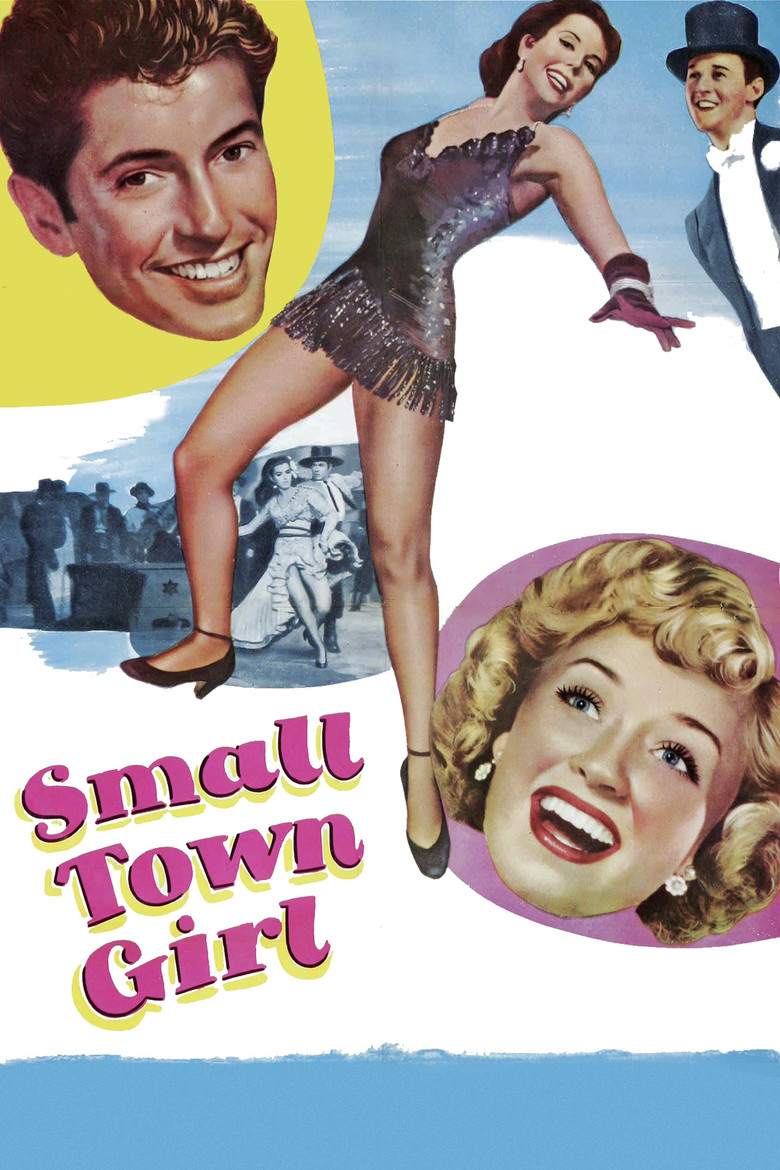
1953
NRDirector
László Kardos
Runtime
93 minutes
Average Rating
No ratings yetSynopsis
Rick Belrow Livingston, in love with Broadway star Lisa, is sentenced to 30 days in jail for speeding through a small town. He persuades the judge's daughter Cindy to let him leave for one night, so that he can visit Lisa on her birthday. After that he goes on the town with Cindy and she falls in love with him. But Dr. Schemmer wants his son to become her husband.
Overall Score
Limited
Category Breakdown
LGBTQ+ Representation
The film follows a strictly heteronormative romantic structure. The plot centers on a standard romantic triangle between a male protagonist and two women, offering no non-cisnormative identities.
Gender Representation
The narrative architecture favors a traditional gender hierarchy. While women are central to the conflict, they primarily function as objects of pursuit for the male protagonist's agency.
Racial & Ethnic Diversity
Reflecting 1953 production standards, the film likely adheres to the era's homogeneous casting. There is no evidence of diverse casting or non-Western-centric representation.
Religious & Cultural Diversity
The story reinforces traditional social institutions like the judiciary and medical professions. It focuses on individual romantic fulfillment within established community hierarchies.
Disability Representation
The narrative contains no mention of characters with physical or neurodivergent disabilities.
Strengths
Areas for Improvement
AI Analysis
Small Town Girl is a conventional mid-century romantic musical that prioritizes established social hierarchies. The plot follows a standard romantic triangle, centering on a male protagonist's desires and his interactions with two female characters. The film adheres to the narrative expectations of its era, reinforcing traditional professional roles such as judges and doctors. It functions as a story of social integration and romantic tropes rather than a critique of systemic norms. Ultimately, the work lacks intersectional representation, reflecting the homogeneous casting and patriarchal structures common in 1950s genre filmmaking.
1935

1948
1937
1951
1941

1964
1950

1954
1938
1943

1942
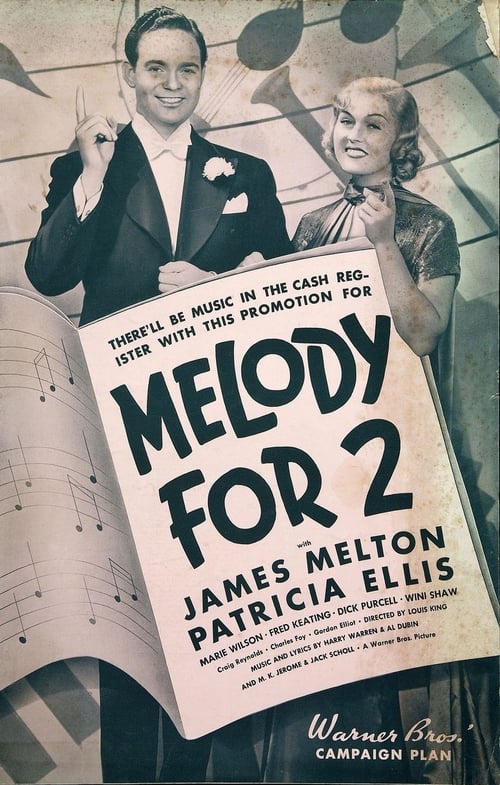
1937
No reviews yet. Be the first to share your thoughts on this movie!
Use the rating form above to leave a star rating and optional review.