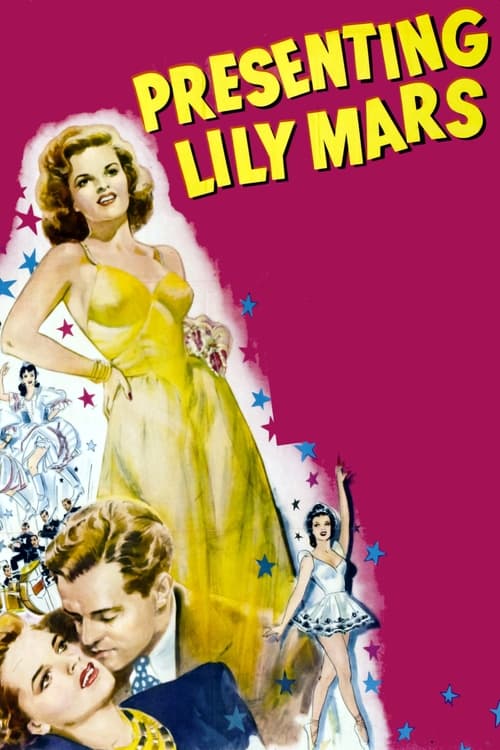
Presenting Lily Mars
1943
No user ratings available yet
Representation score: 1.4 out of 10
Representation Score
Minimal
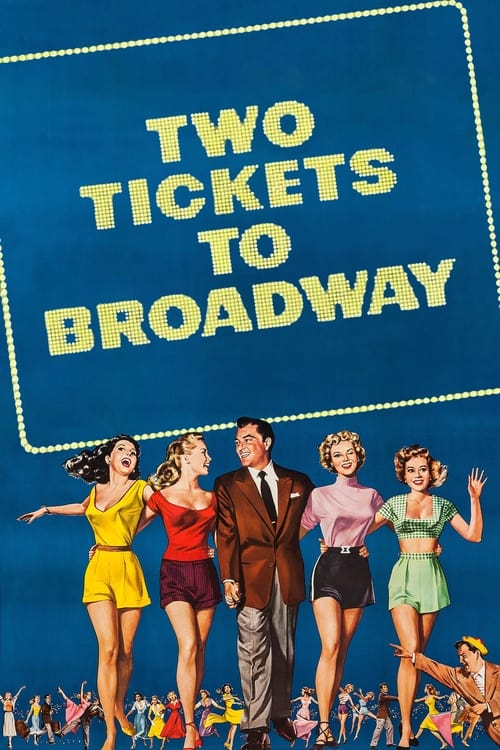
1951
ApprovedDirector
James V. Kern
Runtime
106 minutes
Average Rating
No ratings yetNew Showbiz Analysis
Two Tickets to Broadway is a quintessential mid-century musical that prioritizes escapism and the reinforcement of established social structures. While it provides a platform for female ambition, the story remains deeply rooted in the era's traditional gender and racial hierarchies. The film focuses on individual ambition and romantic resolution, avoiding any challenge to systemic hierarchies or introduction of perspectives that reflect multiple aspects of identity.
Category Breakdown
The film follows the conventions of 1951 cinema, which do not include same-sex romantic narratives or non-cisgender gender identities.
Female characters drive their professional ambitions, but their ability to act is often tied to romantic pursuits and traditional pairings.
The film lacks significant racial or ethnic diversity. The cast and setting reflect the homogeneous demographics of the era without characters of color in prominent roles.
The story operates within a framework of traditional Western values. It portrays the pursuit of success within the Broadway industry as a positive, aspirational goal.
There is no representation of physical or neurodivergent disabilities. Characters are presented within a standard able-bodied framework typical of musical performance.
Present on Screen
Limited or Absent
Official Synopsis
A young woman (Janet Leigh) leaves her small hometown in Vermont and travels to New York City with hopes of becoming a Broadway star.
1943
1948
1943
1957

1953
1958
1941

1953
No reviews yet. Be the first to share your thoughts on this movie!
Use the rating form above to leave a star rating and optional review.