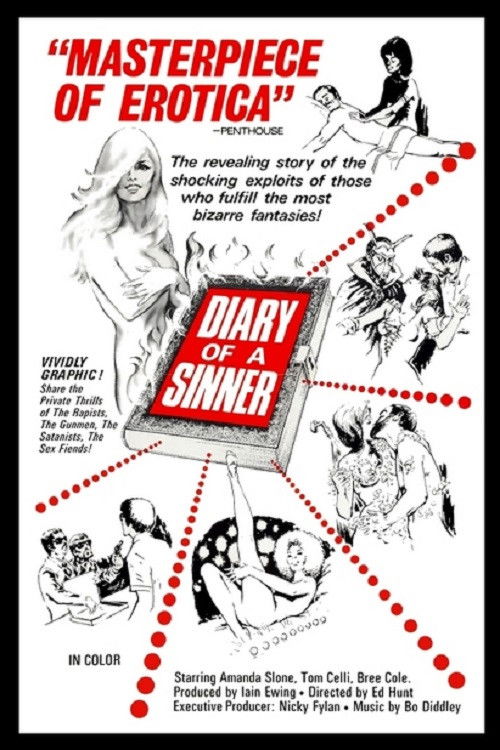
Diary of a Sinner
1974
No user ratings available yet
Representation score: 2.3 out of 10
Representation Score
Fair
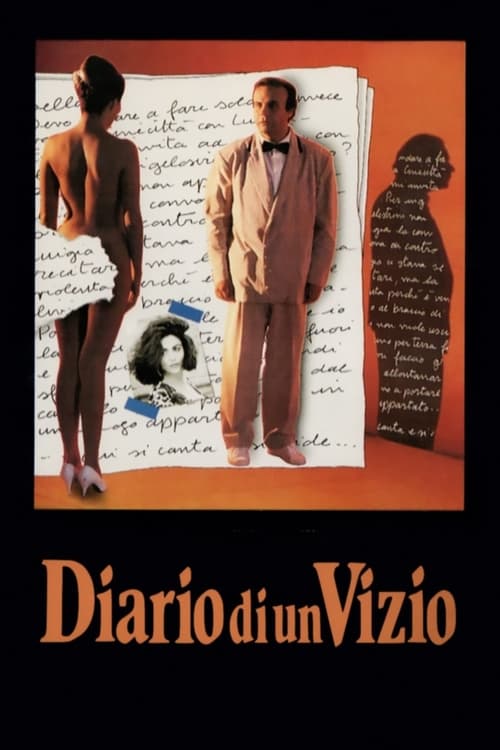
1993
Director
Marco Ferreri
Runtime
94 minutes
Average Rating
No ratings yetNew Showbiz Analysis
Diary of a Maniac is a black comedy that prioritizes psychological fragmentation over social integration. It succeeds in deconstructing social norms by focusing on the intensity of individual impulses rather than traditional character development. However, the film lacks demographic breadth. It remains largely centered on a homogeneous social environment and heterosexual dynamics, offering little representation for LGBTQ+ or diverse ethnic groups. Ultimately, the film's progressive value lies in its narrative structure. It challenges the stability of the nuclear family and traditional citizenship by celebrating transgressive, subjective psychological states.
Category Breakdown
The film focuses on heterosexual relationships and the dynamics of desire between the protagonist and women. There is no indication of queer-coded subtext or non-cisgender identities.
Luigia is portrayed as an insatiable character, which disrupts traditional stereotypes of female passivity. This portrayal challenges conventional patriarchal hierarchies of desire by providing a level of sexual ability to act.
The narrative appears to focus on a localized, homogeneous social environment. There is no evidence of diverse ethnic perspectives or intentional racial blending within the setting.
The film embraces moral relativism and prioritizes subjective experience over societal stability. It critiques the mundane constraints of modern Western existence through the protagonist's descent into dark fantasies.
There is no information available regarding the portrayal of physical or neurodivergent disabilities in this work.
Present on Screen
Limited or Absent
Official Synopsis
In this stylish and offbeat black comedy, Benito ( Jerry Calà) keeps a diary of his sexual fantasies and cravings. As a result of his on-again, off-again relationship with the beautiful and insatiable Luigia (Sabrina Ferilli), his thoughts along these lines have grown increasingly bizarre. For his own part, he is driven to pick up and bed women at almost every opportunity. As the fantasies recorded in his diary consume more and more of his life, and grow darker and darker, his ordinary waking life becomes flatter and duller, until he disappears altogether.
1974
1977
1967

1976
1987
1977
1971
1969
No reviews yet. Be the first to share your thoughts on this movie!
Use the rating form above to leave a star rating and optional review.