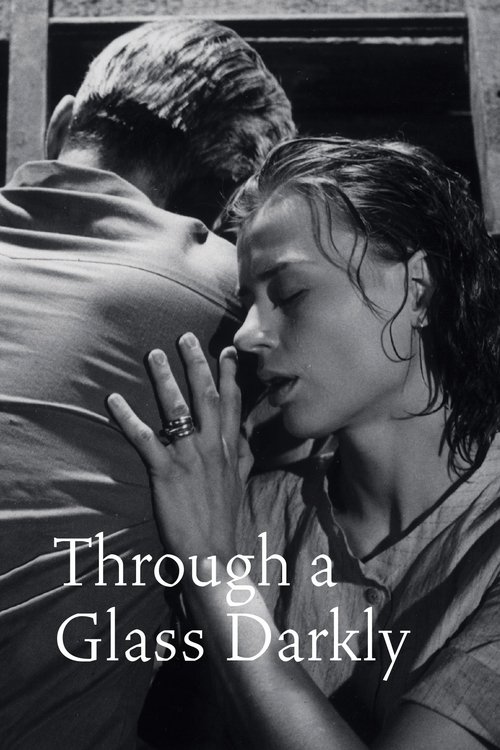
Through a Glass Darkly
1961
No user ratings available yet
Representation score: 5.8 out of 10
Representation Score
Fair
1976
RDirector
Ingmar Bergman
Runtime
114 minutes
Average Rating
No ratings yetNew Showbiz Analysis
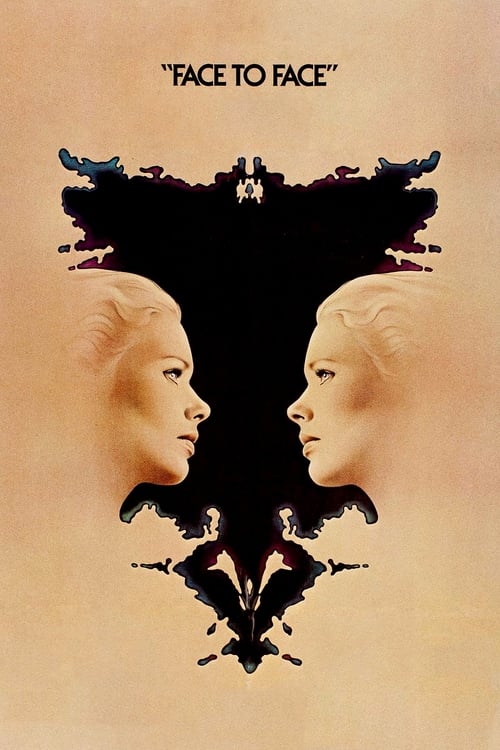
Face to Face is a profound psychological study that prioritizes existential inquiry over collective identity representation. It succeeds in challenging traditional gender roles by centering a woman in a position of high authority. However, the film is limited by its narrow demographic focus, lacking representation of racial, ethnic, and LGBTQ+ diversity. Ultimately, the work's strength lies in its sophisticated critique of institutional authority and its intellectual engagement with the instability of the self.
Category Breakdown
The film centers on a heterosexual woman's psychological breakdown and does not include any representation of LGBTQ+ identities or non-assuming gender matches what was assigned at birth perspectives.
Jenny Isaksson, a high-authority psychiatrist, challenges traditional gender roles by showcasing her intellect and professional struggles rather than nurturing qualities.
The cast is predominantly white and homogeneous, reflecting a specific upper-middle-class European demographic with almost no racial or ethnic diversity.
The story critiques Western scientific and medical institutions, portraying the protagonist's expertise as insufficient to address the complex nature of human identity.
The film provides a deep, non-caricatured exploration of mental health crises, treating the protagonist's psychological collapse with ability to act rather than spectacle.
Present on Screen
Limited or Absent
Official Synopsis
A psychiatrist temporarily separated from her family begins to experience severe psychological distress while working at a mental hospital and returning to her childhood home. As her professional responsibilities and personal relationships intersect, she undergoes a breakdown that forces her to confront long-suppressed memories and fears. (Note: This entry refers to the 1976 theatrical feature film (approximately 135 minutes), created by condensing and re-editing the four-part Swedish television miniseries originally produced the same year.)
1961
1968
1986
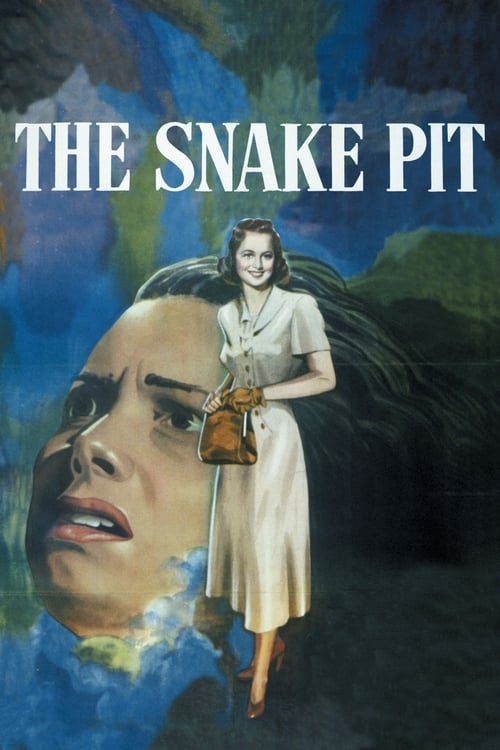
1948

1966
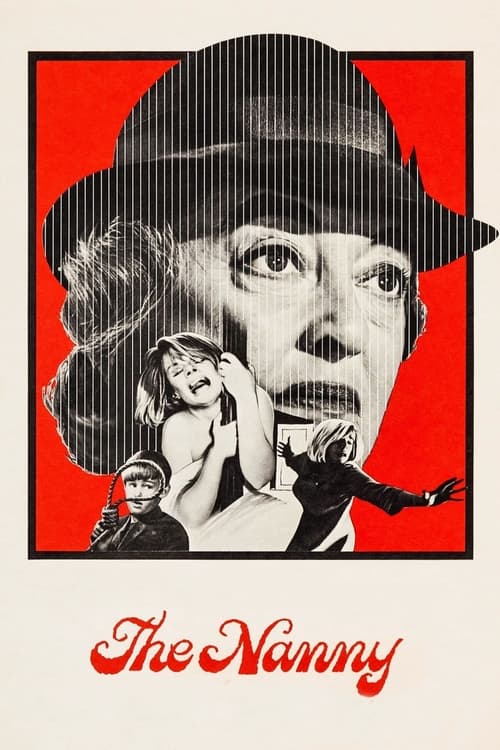
1965

1977
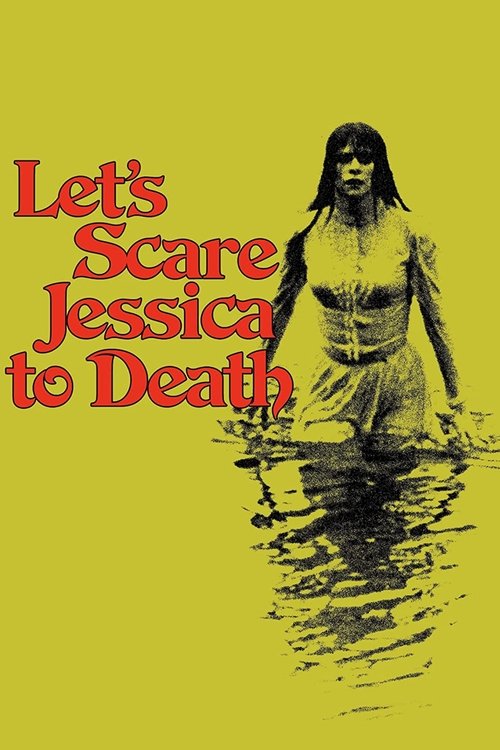
1971
No reviews yet. Be the first to share your thoughts on this movie!
Use the rating form above to leave a star rating and optional review.