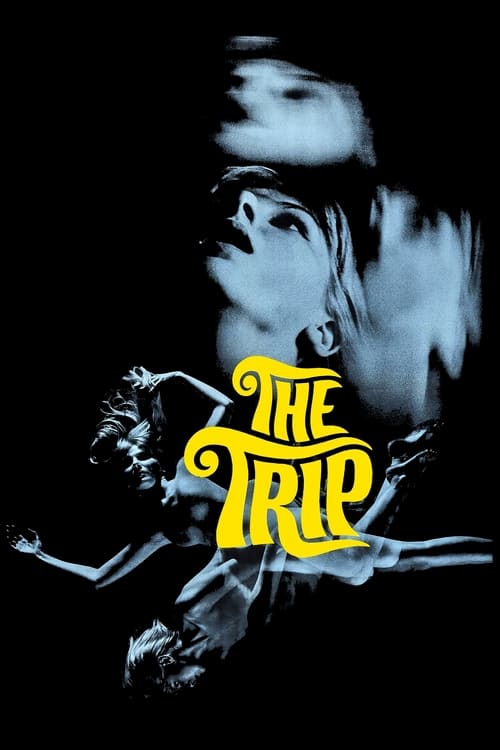
The Trip
1967
No user ratings available yet
Diversity score: 4.3 out of 10

1970
RDirector
William Grefé
Runtime
85 minutes
Average Rating
No ratings yetSynopsis
Love and crime in Miami's Cocoanut Grove artist's colony. Swinging young writer Stephen Oliver has a falling-out with benefactress Rita Hayworth in the wake of a wild LSD party. Rita foolishly tries blackmail after Oliver's reconciliation attempt leaves her crippled millionaire husband dead.
Overall Score
Fair
Category Breakdown
LGBTQ+ Representation
The film features explicit male-on-male intimacy and homoeroticism. These non-heteronormative dynamics disrupt the standard cinematic constraints of 1970. The focus on male sexual agency challenges the era's heteronormative hegemony.
Gender Representation
Gender hierarchies are subverted through a near-total absence of female characters. While it avoids traditional masculine tropes, the film lacks diverse gendered perspectives. It fails the Bechdel test due to its hyper-masculine focus.
Racial & Ethnic Diversity
The cast is predominantly white, reflecting the specific demographic of the Cocoanut Grove artist's colony. There is no significant ethnic diversity within the primary character arcs.
Religious & Cultural Diversity
The narrative excels in portraying extreme moral relativism and the rejection of Western institutional stability. It critiques capitalism and religion by framing lawlessness as a liberated return to instinct.
Disability Representation
There are no significant depictions of visible or invisible disabilities. No disability serves as a central character element or drives the plot.
Strengths
Areas for Improvement
AI Analysis
The Naked Zoo is a transgressive exploitation film that replaces social hierarchies with a primal, lawless state of nature. It offers a radical deconstruction of Western civilization through its isolated, tropical setting. While the film lacks racial and gender diversity, it provides a significant disruption to conventional cinematic hierarchies. Its explicit exploration of non-heteronormative dynamics and its rejection of traditional moral frameworks create a complex, if polarizing, profile. Ultimately, the film's strength lies in its postmodern critique of systemic social structures rather than its demographic inclusivity.
1967
1966
1968
1966

1969
1969
1961
1962
1973
1966
1982
1954
No reviews yet. Be the first to share your thoughts on this movie!
Use the rating form above to leave a star rating and optional review.