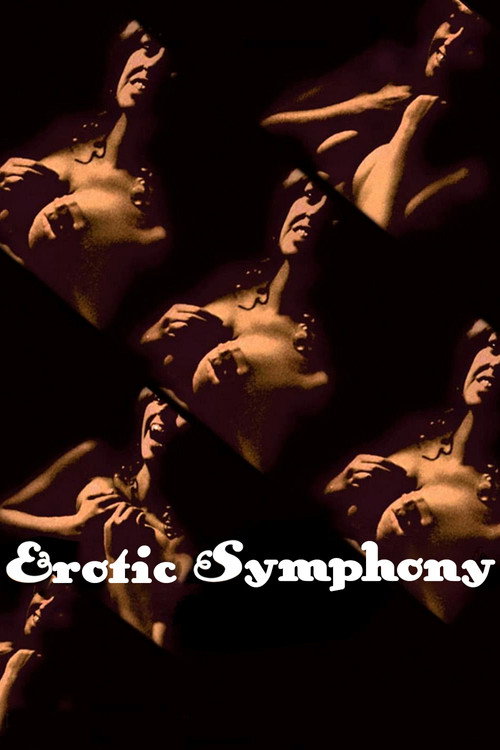
Erotic Symphony
1980
No user ratings available yet
Representation score: 6.8 out of 10
Representation Score
Limited
1982
UnratedDirector
Jesús Franco
Runtime
83 minutes
Average Rating
No ratings yetNew Showbiz Analysis
The film serves as a transgressive drama that prioritizes disrupting social norms over empowering underrepresented groups. While it effectively challenges traditional Western institutions like marriage, it lacks depth in addressing multi-layered issues. Its primary strength lies in its critique of conventional morality and social stability. However, the narrative remains largely homogeneous, failing to offer meaningful representation for racial, LGBTQ+, or disabled identities. Ultimately, the film delves into individual transgression and trauma rather than systemic social change or diverse identity exploration.
Category Breakdown
The film centers on traditional heterosexual relationships and marital issues. There are no explicit representations of LGBTQ+ identities or narratives that challenge social norms from a queer perspective.
The protagonist experiences significant shifts in her role, transitioning from sexual expression to a cycle of victimization. The storyline suggests a regression in autonomy rather than establishing female-led power structures.
The film follows traditional European casting practices of the time. There is no indication of a diverse or non-Anglo-Saxon majority cast.
The film deconstructs traditional Western moral frameworks and questions the sanctity of the nuclear family. It frames the protagonist's struggles through situational ethics rather than conventional morality.
There are no characters with visible or invisible disabilities featured in the narrative.
Present on Screen
Limited or Absent
Official Synopsis
Emmanuelle is recently reunited with her husband, but at the next party, she gets drunk and strips nude for his friends. He returns to his lover. Later, a sober Emmanuelle tries to redeem herself, but her husband refuses to forgive. She travels to see him, gets raped on the way by two delinquents, and enters a life of vicious sex to forget him.
1980
1977

1981
1976
1973
1967

1964
1977
No reviews yet. Be the first to share your thoughts on this movie!
Use the rating form above to leave a star rating and optional review.