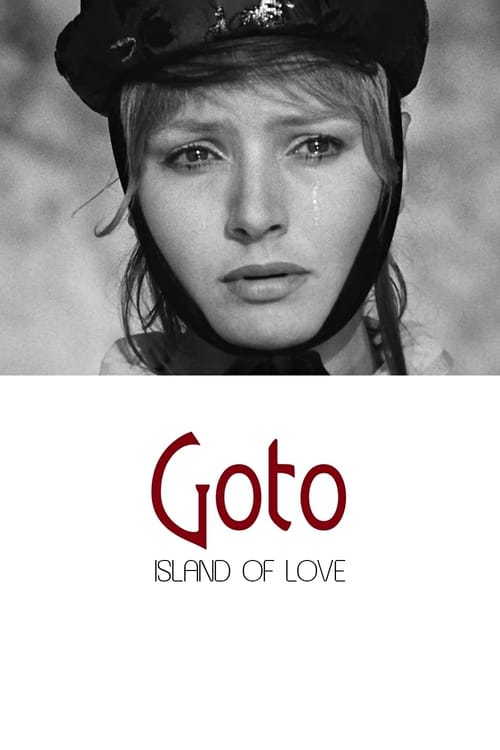
Goto, Island of Love
1969
No user ratings available yet
Diversity score: 5.1 out of 10
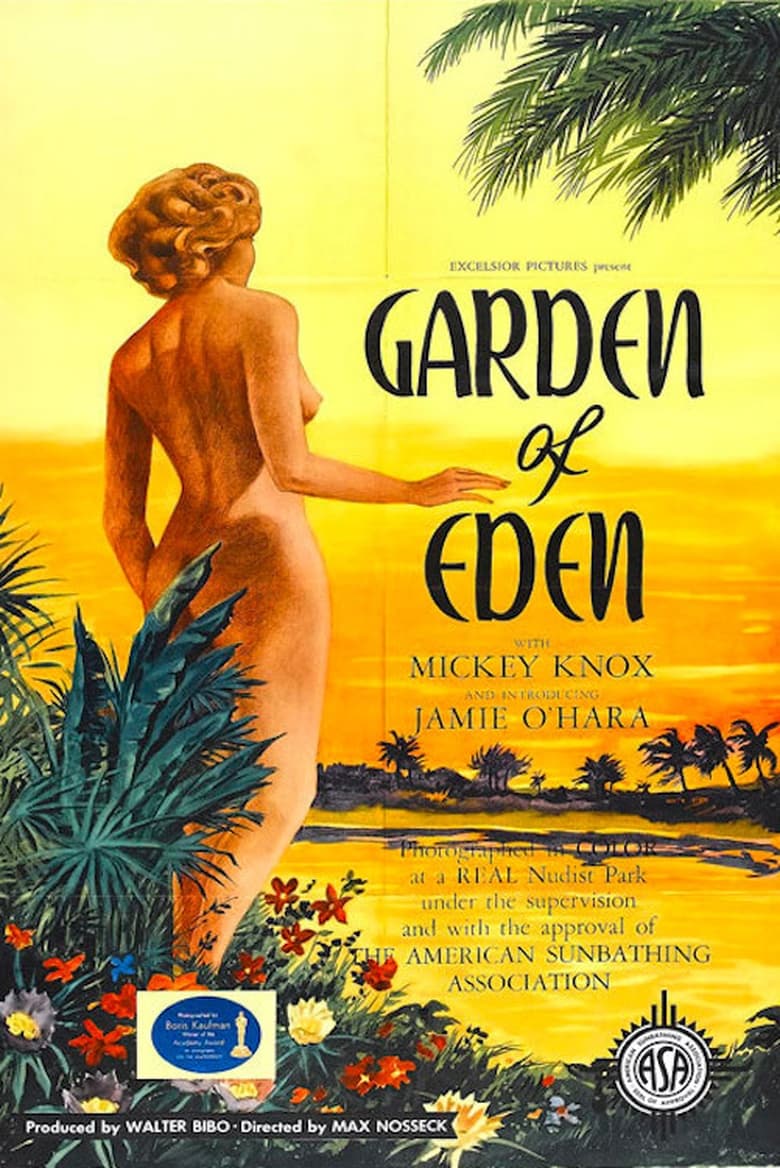
1954
Director
Max Nosseck
Runtime
67 minutes
Average Rating
No ratings yetSynopsis
War widow and pre-teen daughter leave home of tyrannical father-in-law in Florida, get lost on a detour, and find shelter at a nudist colony.
Overall Score
Fair
Category Breakdown
LGBTQ+ Representation
The film lacks explicit LGBTQ+ characters or non-cisnormative identities. The nudist colony setting offers an alternative social structure that exists outside heteronormative norms, though it lacks confirmed queer character arcs.
Gender Representation
A female war widow drives the plot by fleeing a tyrannical patriarchal household. Her pursuit of autonomy subverts mid-century tropes of submissive domesticity and male-dominated social hierarchies.
Racial & Ethnic Diversity
The narrative appears to follow the demographic homogeneity of 1950s American cinema. There is no evidence of racial intersectionality or a non-white majority cast within this Western social framework.
Religious & Cultural Diversity
The story critiques traditional Western institutions by framing the nuclear family and patriarchal authority as oppressive. It prioritizes a secular, nature-based existence over conventional religious or social decorum.
Disability Representation
There is no discernible information regarding the inclusion or portrayal of characters with physical or neurodivergent disabilities.
Strengths
Areas for Improvement
AI Analysis
Garden of Eden functions as a mid-century critique of traditional authority. By centering on a woman escaping a tyrannical patriarch to find refuge in a nudist colony, the film disrupts the era's standard domestic hierarchies and explores non-traditional social structures. However, the film remains limited by the era's systemic biases. It lacks racial diversity and explicit LGBTQ+ representation, adhering to the demographic homogeneity common in 1950s dramas. While it challenges social mores through its setting, it does not provide intersectional depth. Ultimately, the film's strength lies in its narrative movement from a restrictive patriarchal home toward a more liberated, communal lifestyle, even if it stays within narrow demographic bounds.
1969
1968

1981
1974

1975

1964

1971
1959
1978
1973
1963
1949
No reviews yet. Be the first to share your thoughts on this movie!
Use the rating form above to leave a star rating and optional review.