Daddy, Darling
1970
No user ratings available yet
Diversity score: 5.8 out of 10
1969
RDirector
Donn Greer
Runtime
55 minutes
Average Rating
No ratings yetSynopsis
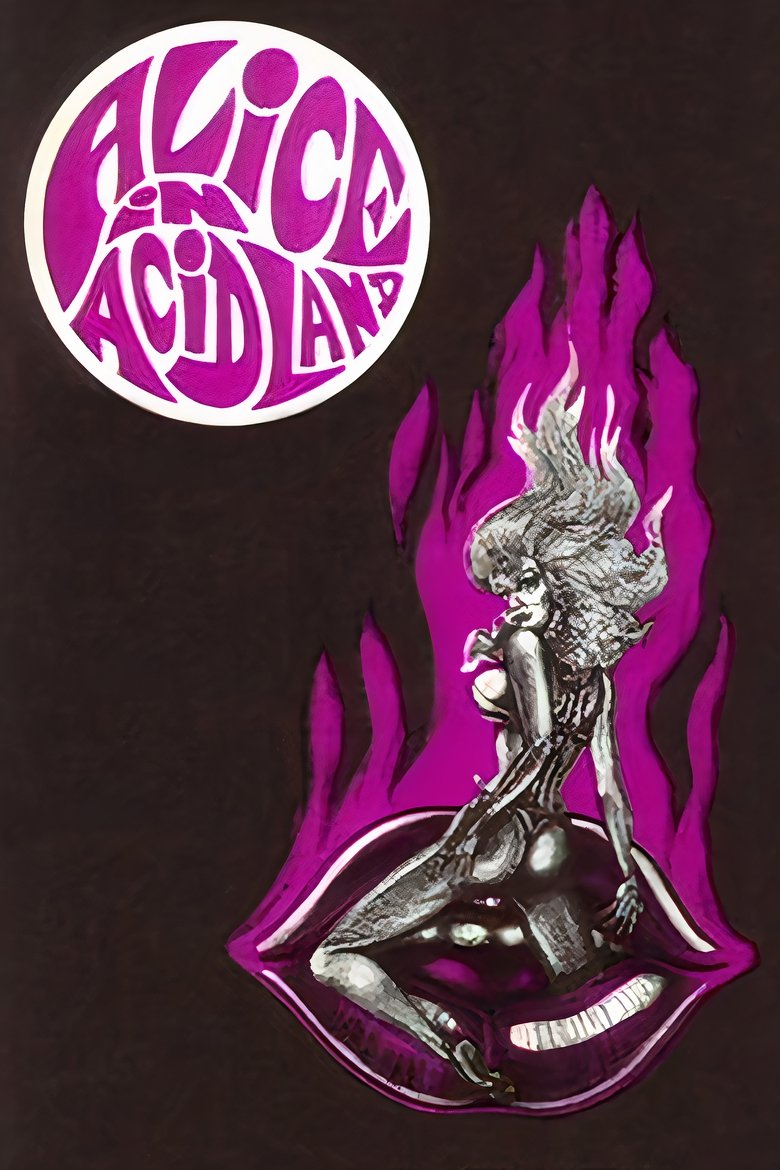
Cute and perky college student Alice is invited to a "pool party" by Freida, a female teacher who is actually a lesbian and has designs on Alice. At the party Alice gets drunk, takes acid and immediately becomes a lesbian, taking a bath with Freida. Later Alice gets mixed up with LSD-addicted hippies, rape, more lesbians, more LSD, orgies, suicide, and having sex with guys in boxers.
Overall Score
Good
Category Breakdown
LGBTQ+ Representation
The film centers on non-heteronormative identities and desires. Same-sex intimacy serves as a primary driver for the protagonist's transformative arc, challenging the era's traditional sexual hierarchies.
Gender Representation
Female agency is prioritized within high-stakes, transgressive environments. Characters navigate complex power dynamics that subvert the period's typical depictions of submissive femininity.
Racial & Ethnic Diversity
There is no specific information regarding the racial or ethnic composition of the cast or setting. No assessment can be made without further data.
Religious & Cultural Diversity
The narrative functions as a critique of traditional Western social structures. It rejects mid-century stability by embracing drug-induced identity shifts and anti-establishment communal living.
Disability Representation
The film contains no evidence of characters with physical, sensory, or neurodivergent disabilities. The focus remains on chemical-induced states rather than permanent disabilities.
Strengths
Areas for Improvement
AI Analysis
Alice in Acidland acts as a provocative artifact of late-1960s counter-culture. It deliberately deconstructs social mores by prioritizing destabilizing identity shifts and moral relativism over traditional cinematic arcs. The film excels in its progressive exploration of queer experiences and the rejection of institutional norms. By centering non-traditional social gatherings and altered states, it challenges the era's prevailing social stability. However, the film's impact is limited by a lack of racial representation and a total absence of disability representation. The chaotic narrative focus on sensory experience may also come at the expense of nuanced character development.
1970

1969
1969
1968

1972
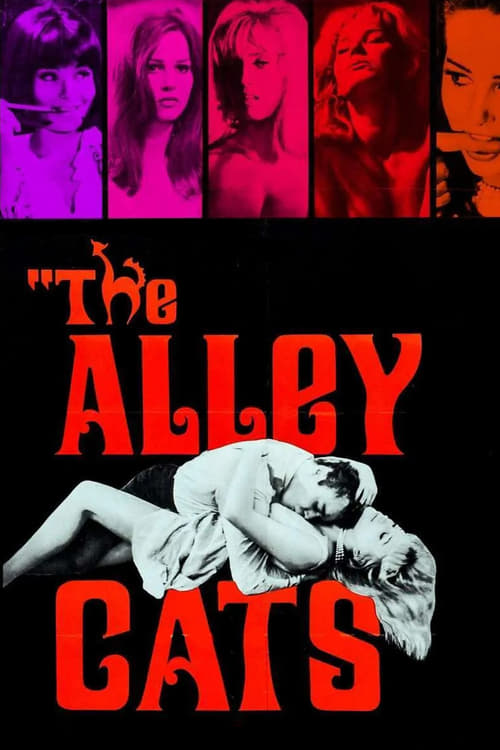
1966

1968
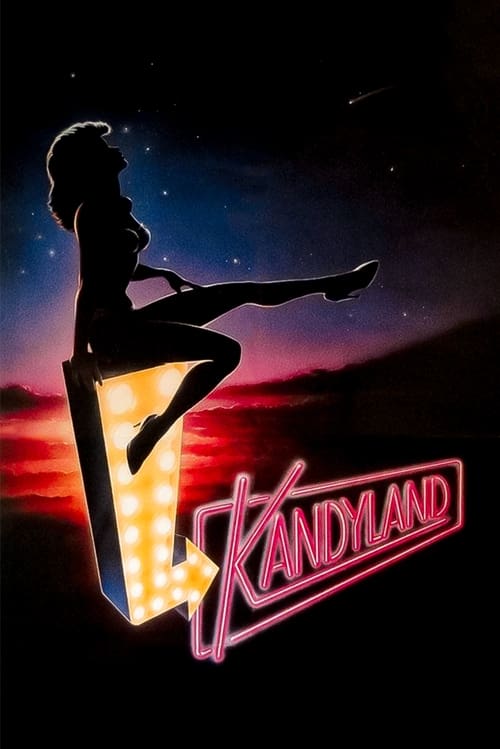
1987

1973
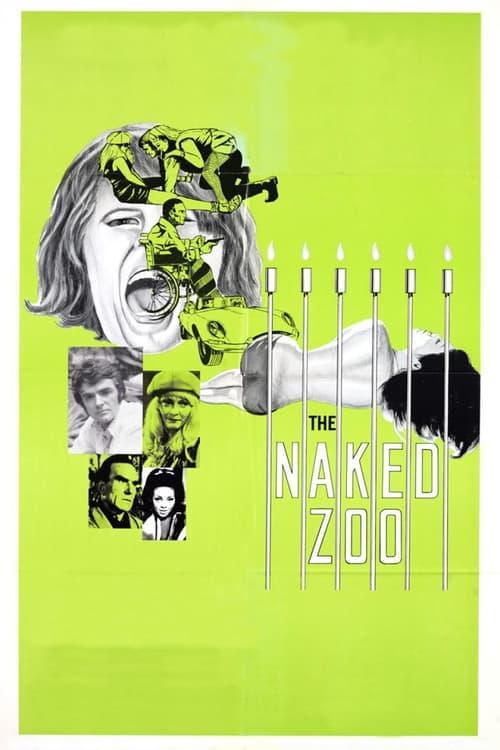
1970
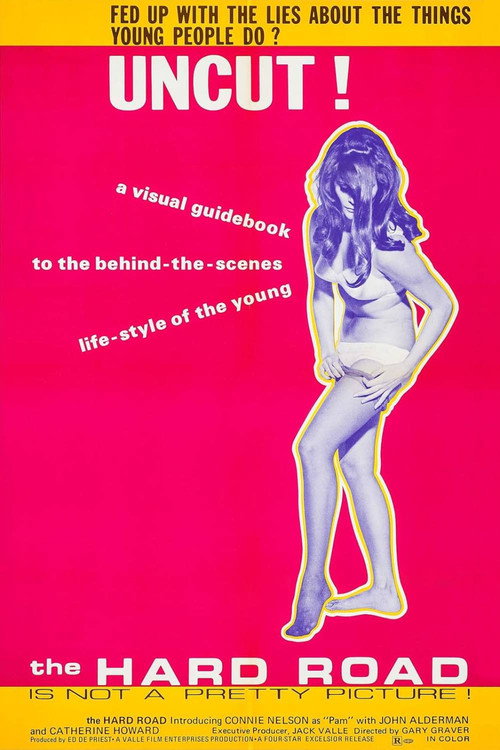
1973
1970
No reviews yet. Be the first to share your thoughts on this movie!
Use the rating form above to leave a star rating and optional review.