
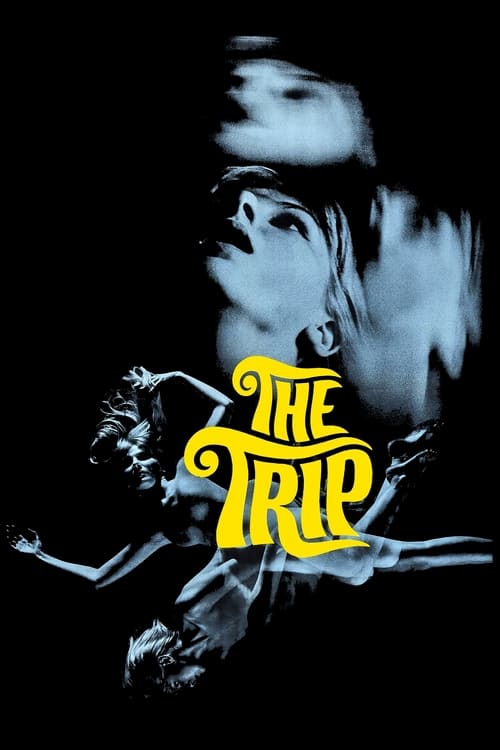
Blonde on a Bum Trip
1968
No user ratings available yet
Representation score: 4.2 out of 10
Representation Score
Limited
1967
ApprovedDirector
Roger Corman
Runtime
85 minutes
Average Rating
No ratings yetNew Showbiz Analysis
The film serves more as a cultural critique than a study of diverse identities. It challenges the social norms of the 1960s by focusing on counter-cultural themes and rejecting traditional domestic structures. However, its narrow focus on a male-centric journey limits explicit representation of LGBTQ+ identities and racial diversity. The film prioritizes exploring altered states and anti-establishment lifestyles over a broader range of human experiences.
Category Breakdown
The film doesn't explicitly depict LGBTQ+ identities or same-sex relationships. Set during a time when queer visibility was growing, the story focuses on a male protagonist's personal struggles.
The story centers on a male protagonist's psychological journey. Female characters mainly serve as catalysts for his crisis rather than having their own independent storylines.
The racial composition is unconfirmed within the provided context. The film likely reflects the demographic homogeneity typical of the 1960s independent film system.
The film strongly critiques traditional Western social norms and morality. It uses drug culture to challenge mid-century social conformity and stability.
There are no characters with physical or neurodivergent disabilities in the story.
Present on Screen
Limited or Absent
Official Synopsis
After his wife leaves him, a disillusioned director dives into the drug scene, trying anything his friend suggests.
1968
1982
1966
1961
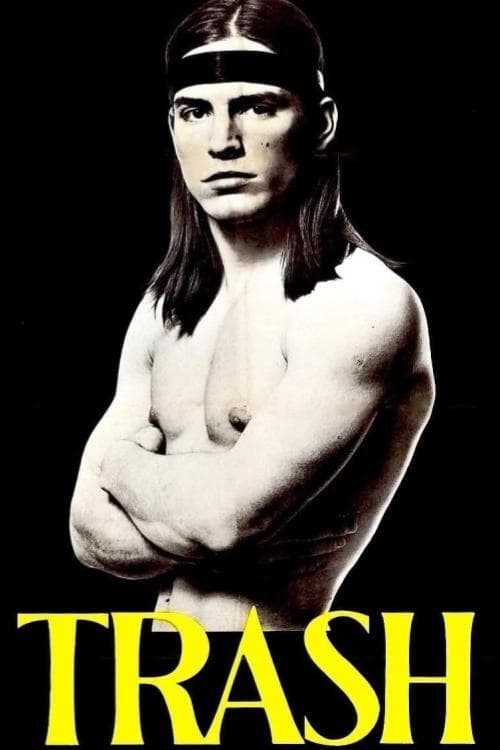
1970
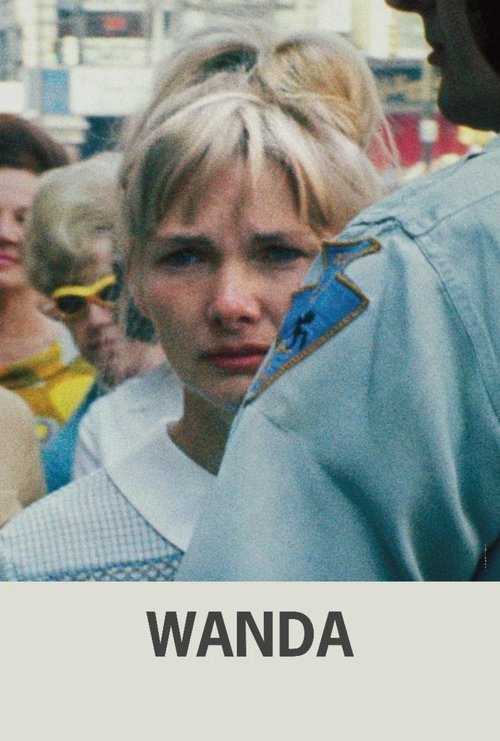
1970
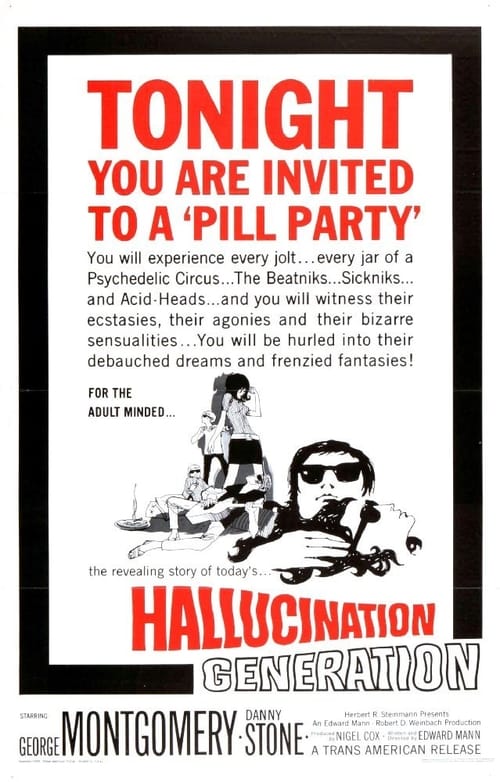
1966
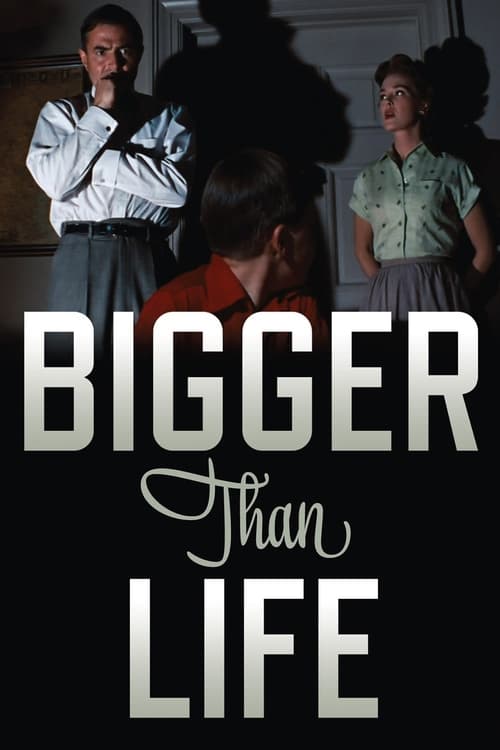
1956
No reviews yet. Be the first to share your thoughts on this movie!
Use the rating form above to leave a star rating and optional review.