Summer and Smoke
1961
No user ratings available yet
Representation score: 4.6 out of 10
Representation Score
Minimal
1976
PGDirector
Max Baer Jr.
Runtime
105 minutes
Average Rating
No ratings yetNew Showbiz Analysis
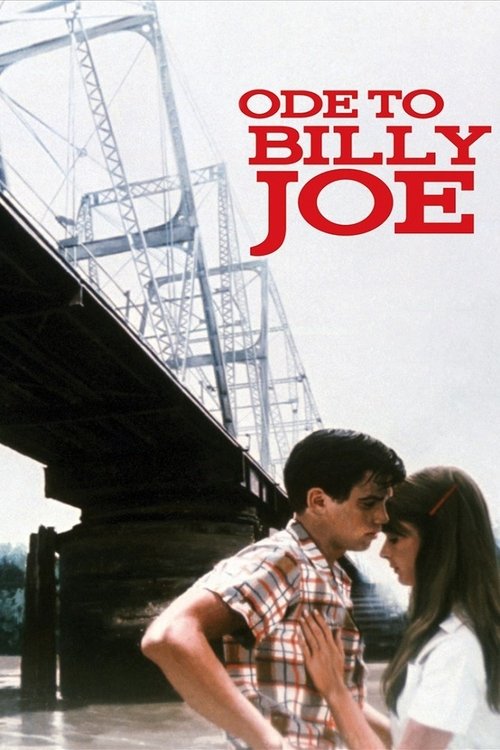
Ode to Billy Joe is a period drama that prioritizes historical realism over disrupting social norms. It focuses on the internal psychological struggles of its characters within a specific, localized cultural context. The film adheres closely to the social constraints of 1950s Mississippi, reinforcing demographic and social hierarchies of the time. While it offers emotional depth regarding reputation and grief, it lacks the diversity needed to challenge established racial, gender, or identity-based structures.
Category Breakdown
The film does not include any non-cisgender identities or same-sex relationships, focusing solely on heterosexual relationships.
The film centers on the psychological state and social standing of the female protagonist, offering a nuanced portrayal of the female experience. However, it upholds traditional mid-century gender roles and hierarchies.
The cast primarily consists of white actors representing a localized, white Southern community in rural Mississippi. The story lacks significant non-white characters or diverse representation.
The film explores morality through the lens of traditional Southern religious and social institutions. It emphasizes the importance of community judgment and tradition without challenging these structures.
The film does not depict any neurodivergence, chronic illness, or visible disabilities. The central tragedy serves as a plot device rather than an exploration of disability.
Present on Screen
Limited or Absent
Official Synopsis
Set in sultry 1950s Mississippi, two teenagers grapple with surging hormones and the enticing promise of love, unknowing of the tragedy that looms ahead.
1961
1966

1959

1970

1957

1964

1960

2003
No reviews yet. Be the first to share your thoughts on this movie!
Use the rating form above to leave a star rating and optional review.